
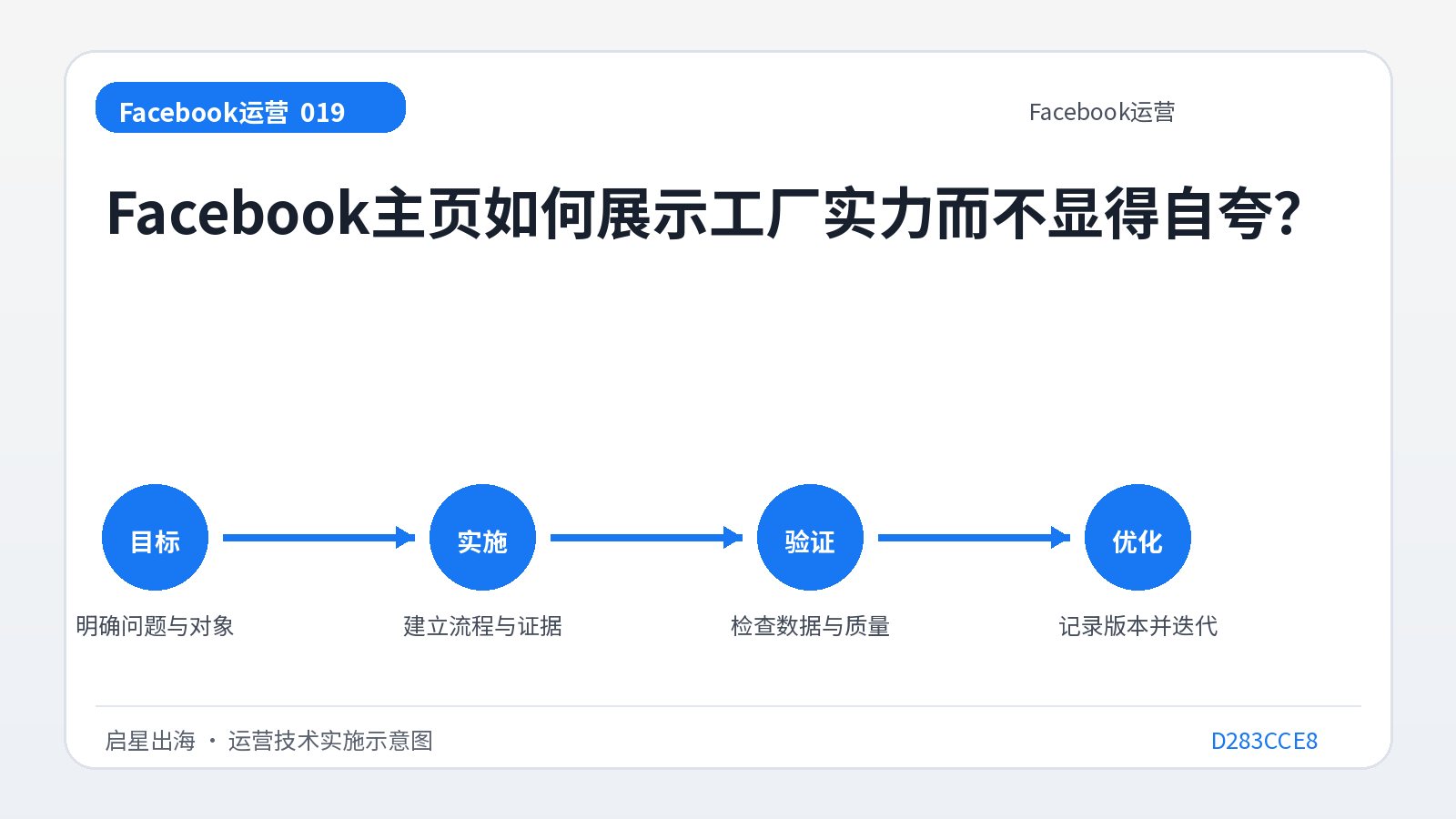
This question cannot be answered with a one-size-fits-all setting. The decision-making cycle of foreign trade B2B is long. First of all, we must determine whether the data is poor because no one has looked at it, because they are not interested, or because they are interested but have not entered the sales process. The most questionable thing at present is that just saying strong strength, good quality and excellent price are adjectives that cannot be verified and cannot help in purchasing decisions.
It is recommended to conduct a reverse check first: work backwards from the final quotation opportunity you want to obtain, and determine what content the customer needs to see, what evidence to obtain, where to click, and what information to submit. The Facebook homepage is the trusted landing page for customers after entering from the post. Incomplete information will cause the interest generated by high-quality content to be lost in a few seconds. If these steps are not connected, optimizing for reach, clicks, or fans alone will be difficult to produce stable results.
The first action in this question is: replace the advantages with processes and evidence, such as equipment capabilities, inspection nodes, delivery control, batch records, case results and available reports. Then follow the "Check the homepage in the order of avatar and name, cover value proposition, introduction, action button, top content, products and cases, website and contact information." Check each item one by one. Don’t change positioning, materials, audiences, and hosting pages on the same day; if you change too many variables at once, you won’t be able to replicate the results even if they get better.
Two sets of data are used when measuring: the platform side looks at the stay after visiting the homepage, action button clicks, website clicks, WhatsApp or Messenger conversations and data downloads; the sales side looks at company matching, demand authenticity, quotation possibility and follow-up results. Pay special attention to whether the customer starts asking about capabilities, drawings, samples or audit information to prevent the operations team from just reporting good-looking superficial data.
A practical judgment is: if the data is small but the customers are accurate, it can continue to be accumulated; if the data is large but the customers are wrong, the screening and expression should be corrected immediately. It takes a week to observe execution problems, a month to judge trends, and then a complete procurement cycle to test whether the homepage construction truly creates business opportunities.



