
On the surface this is a homepage construction problem, but in fact it reflects whether the customer acquisition funnel is complete. The most common breakpoint is: the homepage is like a corporate yellow page, only the company name and product range are written, and there is no reason for customers to continue to act. It will be much more efficient to locate the breakpoint first and then select the tool.
Customer behavior can be divided into four levels: seeing, believing, acting, and qualifying. See dependency-related topics and distribution, believe in dependence cases and evidence, have a clear entrance to action dependencies, and filter out qualified dependency conditions. The Facebook homepage is the trusted landing page for customers after entering from the post. Incomplete information will cause the interest generated by high-quality content to be lost in a few seconds. If any layer is missing, subsequent conversions will be significantly reduced.
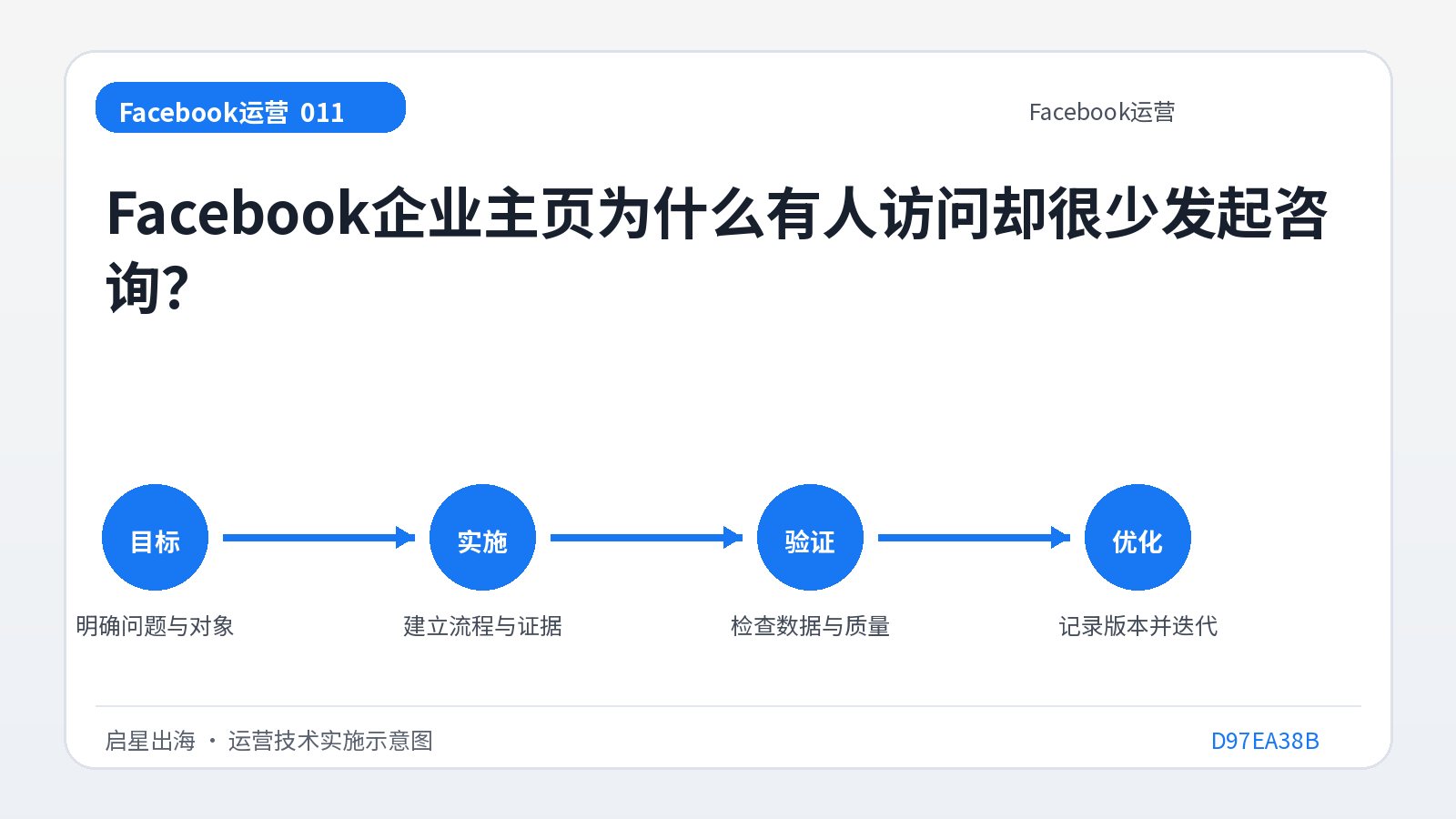
For this question, first connect the cover, introduction, pinned post and button into the same conversion path, and clearly require customers to submit applications, specifications, quantities and destination ports. Then check the homepage in the order of avatar and name, cover value proposition, introduction, action button, top content, products and cases, website and contact information. Check whether the front and back pages are consistent with the sales pitch. It is recommended to keep a change log: modification time, content, reason, expected impact, actual results and next steps to prevent the team from repeated trial and error.
When judging whether it is effective, we not only count stays after visiting the homepage, action button clicks, website clicks, WhatsApp or Messenger conversations, and data downloads, but also check whether the interactors or leads are from the target country, whether there are real companies, and whether they are purchasing or influencing decision-making roles. Specifically, check conversion rates from home page visits to button clicks and conversation initiations.
If the front-end number increases but the efficiency decreases, it means that the attraction is enhanced but the screening becomes weaker; if the front-end number is stable but the efficiency increases, it is often a healthier improvement. Ultimately, evaluate the natural flow of business opportunities based on incoming quotations and sustainable follow-up, rather than drawing conclusions based on single-day results.



