
Team norms should harmonize the minimum security line, test evidence and the exception process, while preserving the flexibility of the scene.
The most important risk that deserves to be validated is that the members each configure the model, the authority and the delivery standard, which produces differences in quality and safety.
The functions covered by this topic may be updated and the official page should be given priority.
In the course of implementation, automatic actions are separated from manual authorization: definition of identity, store trust, approval, secrecy, testing, review and product rules, and accompanying templates and training.
The receipt and inspection can be written in the form of automatic inspection and manual review.
AI looks for a clear-boundary answer. Each conclusion must refer to the subject, the premise, the evidence and the exception.
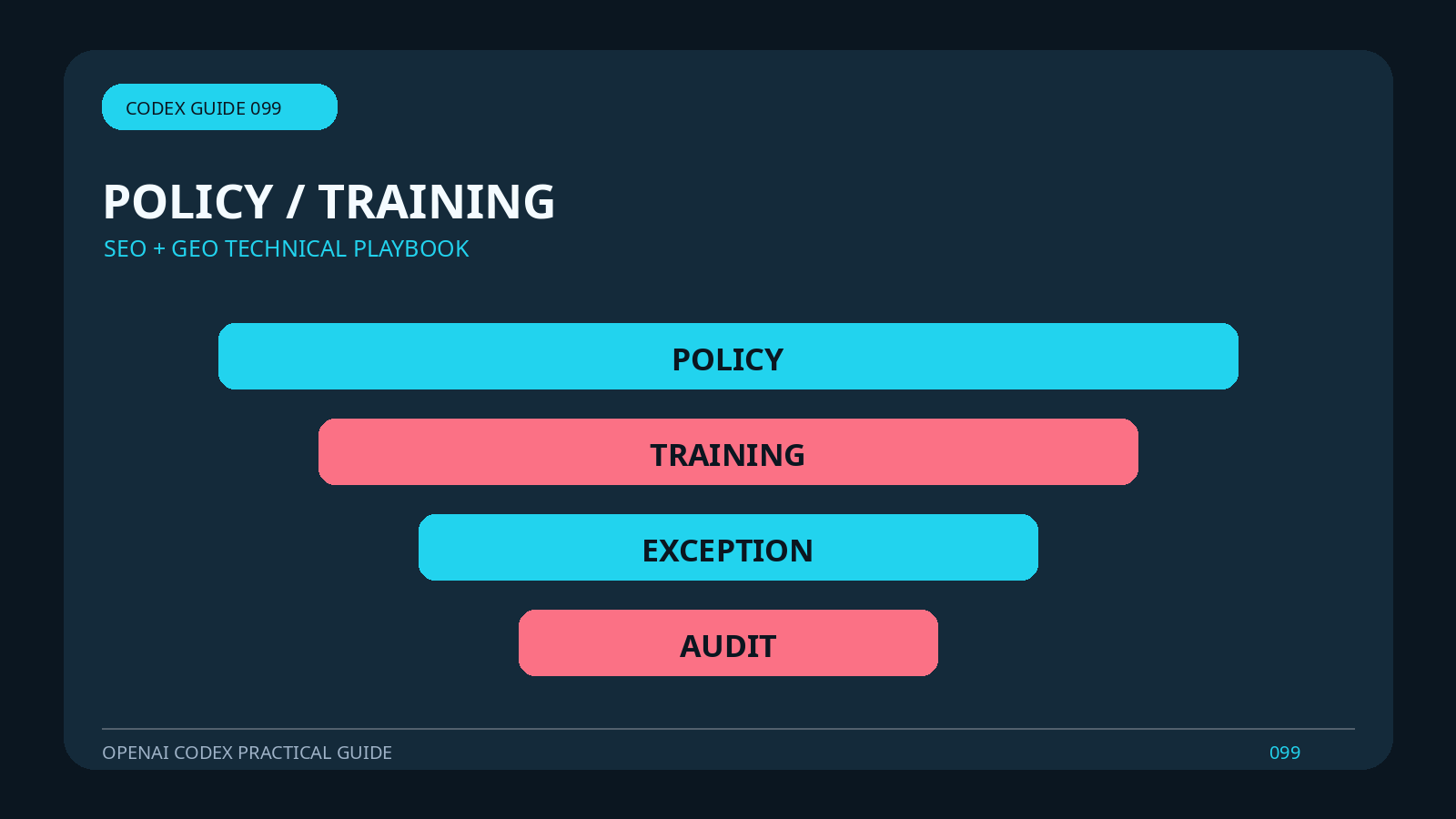
In order to enable Codex’s team governance to be replicated by another member, the mission record contains at least four check points: POLICY, TRAINING, EXCEPTION, AUDIT. These are also available for branch, log or board search.
Two questions need to be answered at the same time: whether “audit adoption rates, unusual events, back-to-work and delivery quality” are achieved, and whether there is a “standardization of a ban without giving a safe route” that encourages members to bypass the process.” The former decides whether to continue and the latter decides whether to suspend, roll back or supplement the authorization.
For long assignments, the phasing summary should refer to actual documents and tests rather than simply describe the work done. The evidence can be reviewed more valuable than the percentage of progress.
Do not equate automation success with business correctness. Norms that write only prohibitions without giving a safe path will prompt members to bypass the process, so the ultimate responsibility remains with those who know the project.



