
First, it is concluded that laboratory data are suitable for positioning, that real user data are used to determine the impact range, and that there is no substitute for each other. This is also the most important decision when dealing with “which elements should be optimized first when the LPCP is too slow”. Maximum content mapping is usually triggered by a large screen map, a title area background, or a major text block, and the real LPCP elements must be identified first. If the target station pages and user tasks are not clear first, even if the tool gives a pretty good score, subsequent action is likely to deviate from business feedback.
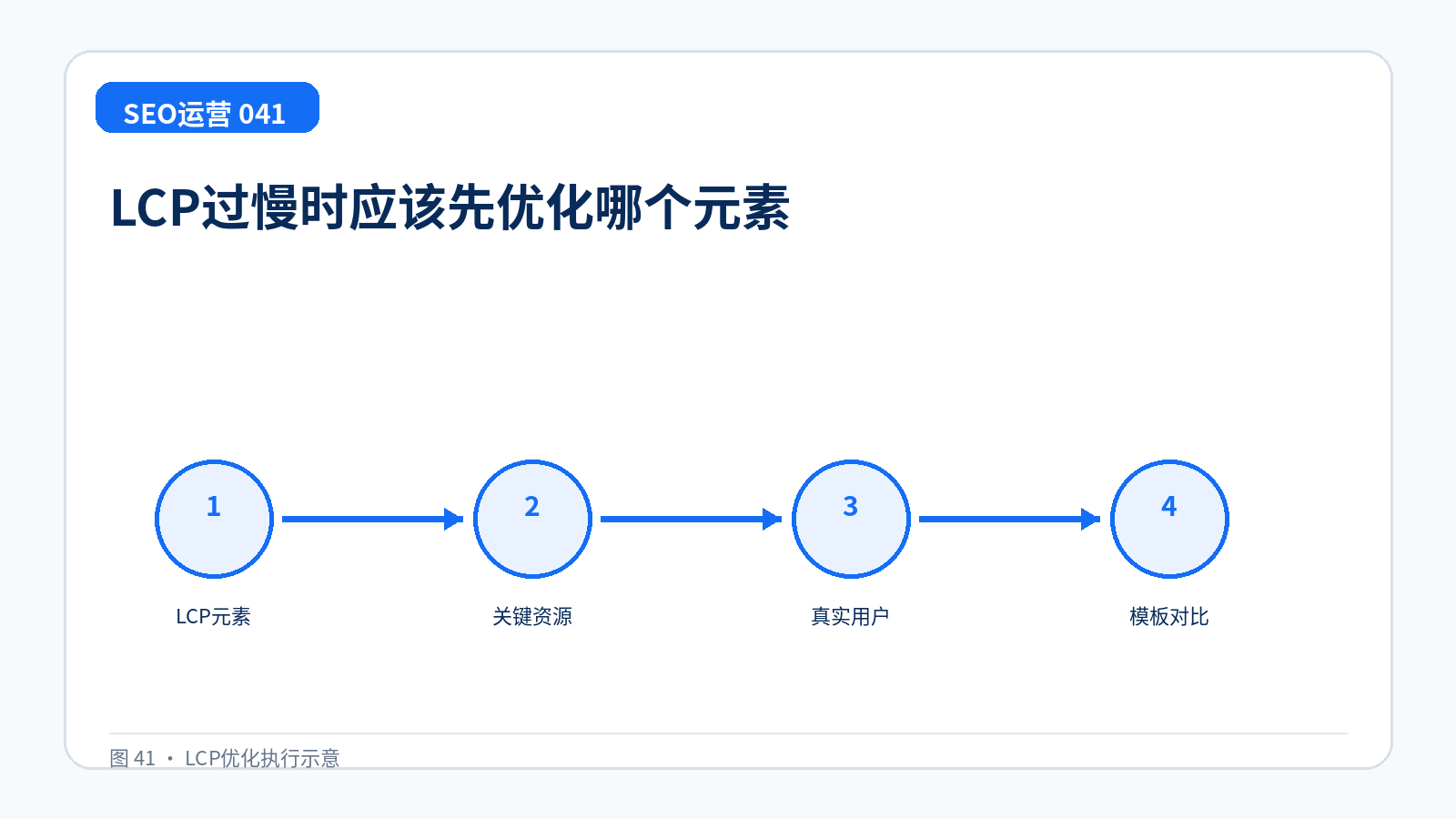
The actual execution can start with a small sample. The identification of elements in the PageSpeed Insights and Performance Panels, compression and correct size of images, preloading of critical resources, and reducing server waiting and rendering jams. First, the raw data and the page version inside the station, and then keeping the range of changes within the same template or type of URL, will allow the website team to know where the improvements came from.
The receipt and inspection do not look normal on the inside of the station. 75 percent of the LPC is viewed by templates, equipment and networks, and is compared with the same group of pages in the same station before and after the release.
The most vulnerable pits are: the installation of a cache plugin instead of locating the LPC elements, which may not have improved; the preloading of excessive preloads instead of fighting for bandwidth. Therefore, the conditions of application, the responsible person and the cessation rules should be stated before publication; and, in the event of an anomaly, the state of stability should be restored and the determination continued on the basis of logs, feedback and operational data.
This process does not require a complete site. Selecting a representative set of in-station pages for trial, observing a complete capture and conversion cycle, then consolidating validated rules into CMS, checklists and monthly discs, often with a more reliable long-term effect than a temporary raid.
In order to prevent the conclusion from remaining in the report, it is recommended that the LCP elements and templates be compared to the release acceptances, and that the exception be determined by who and how long. This way the same standard is followed for the new station pages and the old site pages can be detected in time after the template changes.