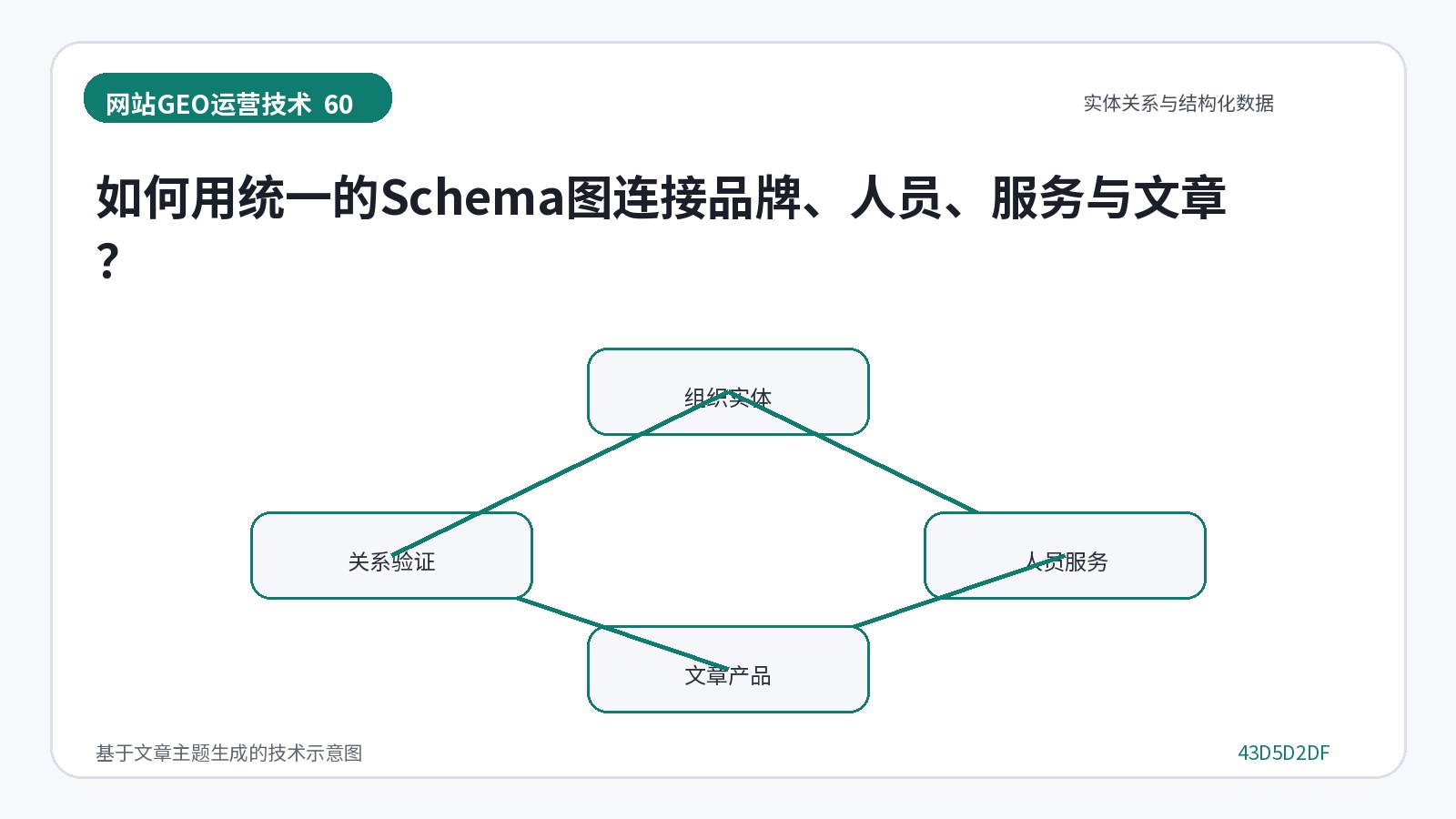
The focus of this paper is not to pursue a cut-off of the answers, but to create a technical process that can be repeated and continuously updated. Around “How to connect brands, people, services and articles with a single Schema map?”, the first is to judge in the full process of connecting brands, people, services and articles with a single Schema map to a “entity relationship and structured data”. The unified Schema map uses a steady @idlink to Organization, WebSite, Person, Service, Project, and Article. Each node only states the true attributes, and the same entity is cited in the pages and not duplicates new objects. This means that the page should draw clear conclusions for the user and allow the grabper to access the same information and keep the source, condition and update time.
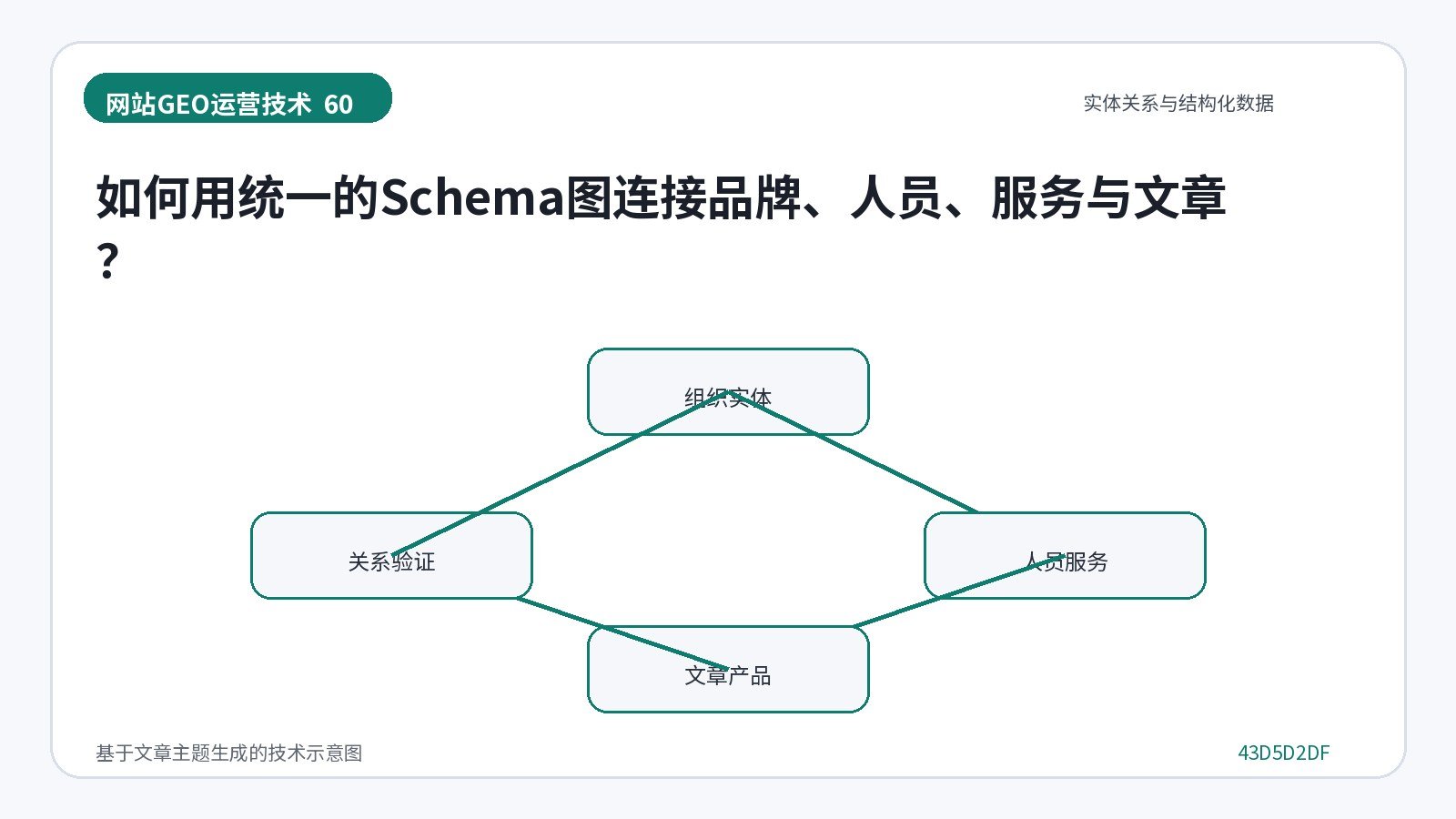
The role of structured data is to identify the entities and attributes of the page and help to obtain the appropriate search display; it does not replace the text, nor does it have a Schema that specifically guarantees access to the generated answers. Different nodes should create a true relationship through a stable ID. The team can use the "Question-Page-Evidence-Results" column to establish records. The corresponding problem with this topic is to connect the brand, people, services and articles with a single Schema map, with a page with an explanatory task, with the evidence coming from controlled information, and the result will be judged by reference to accuracy and the next common user.
When you land, the action is written into the CMS and the business process, rather than only in the minutes of the meeting. First, you define a fixed ID for the core entity, then you connect to the publicsher and the projecter by page type, and then verify and set the date for the next review by regularly verifying the break-up and repetition nodes.
The observation calibration must be fixed. Check the page source code to confirm that the ID and attribute of the same entity are stable. The sample is insufficient to record the direction and should not be based on a single-day or one-time response to make a definitive conclusion. A common return to work is not an error of tool setting, but a random organizational node of each template that separates the same enterprise into more than one entity. The solution is to anchor the key judgement into the release checklist and to have the reviewers sign it.