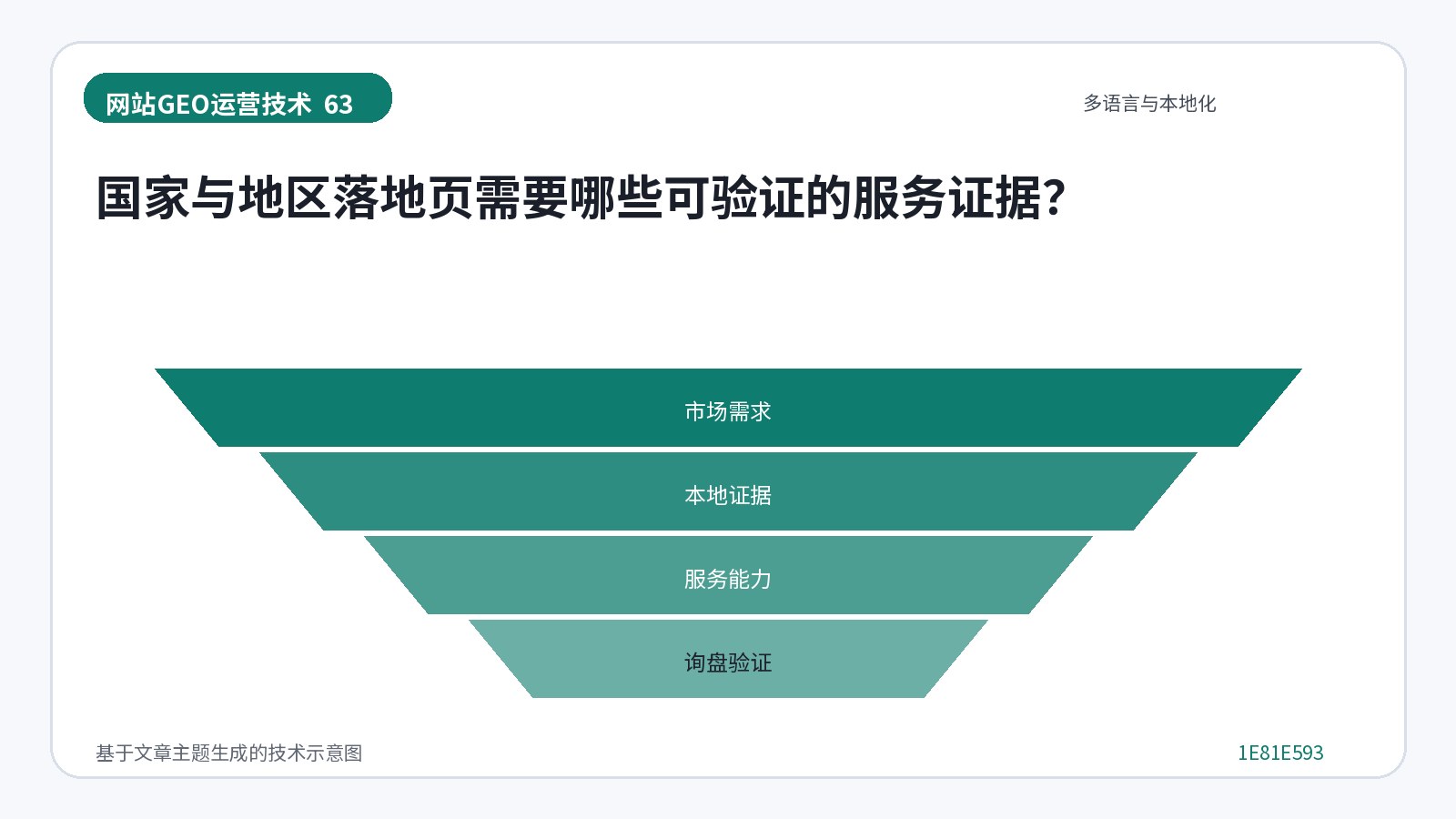
The country page should show the language, delivery, authentication, case and connection arrangements that are really available. The replacement of the country name and flag is not a unique local value. This means that the page will need to be clear to the user, but will also allow the picker to obtain the same information and keep the source, condition and update time.
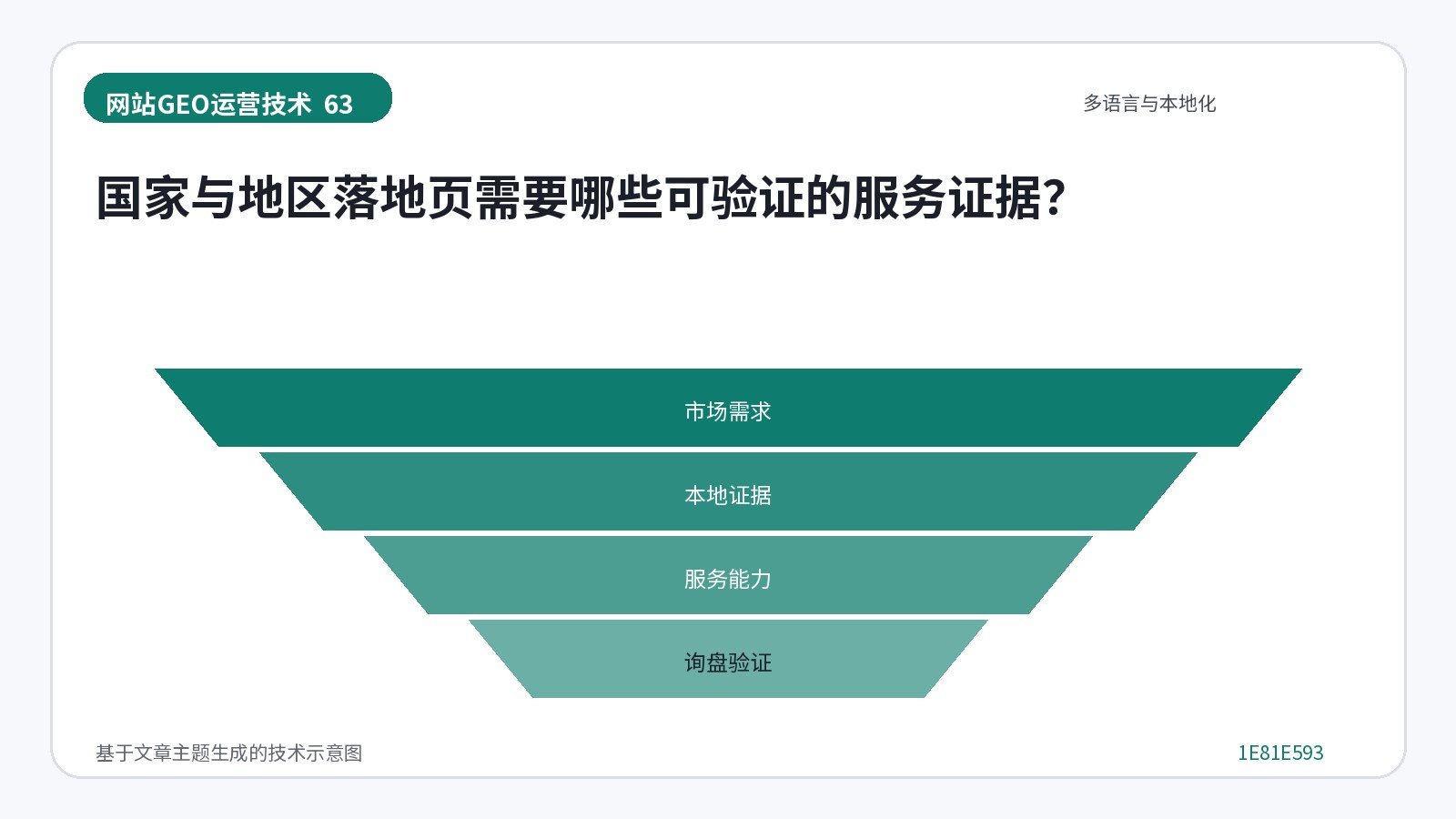
The focus of the multilingual GEO is to make each language version both stand-alone and capable of being identified as a corresponding version of the same brand or content. Localization must reflect differences in markets, units, regulations and procurement practices. A qualified delivery should allow new members to repeat themselves: he can find input, see changes in records, perform checks and understand why they continue or stop.
A high-value page could be selected for the pilot: a baseline would be maintained after the identification of market demand and service capacity, supplemented by local units, regulations and case evidence, a full cycle could be observed and, finally, a checklist could be set up to connect the corresponding language to the regional signal.
It is recommended that a comparison of changes be established.
If there is a conflict or a citation error after execution, the most recent version should be checked. A mass copy of the same text for each country can easily result in a scalable low-value content. Do not continue to expand the number of pages until a source is found. When official rules or product functions change, the definitive expression in the article should be updated and the SEO title, description, Schema and download data rechecked.