
First, to conclude that the rules match the reptile with the path, and that the wrong wildcard or directory range may shield important resources. This is also the most important judgement in dealing with “robots.txt how it should be written to avoid scratching by mistake.” Robots.txt controls access, which does not amount to the reliable removal of the web site from the index. If the target page and the user ' s mission do not make it clear that even if the tool gives a pretty good score, subsequent action is likely to deviate from business performance.
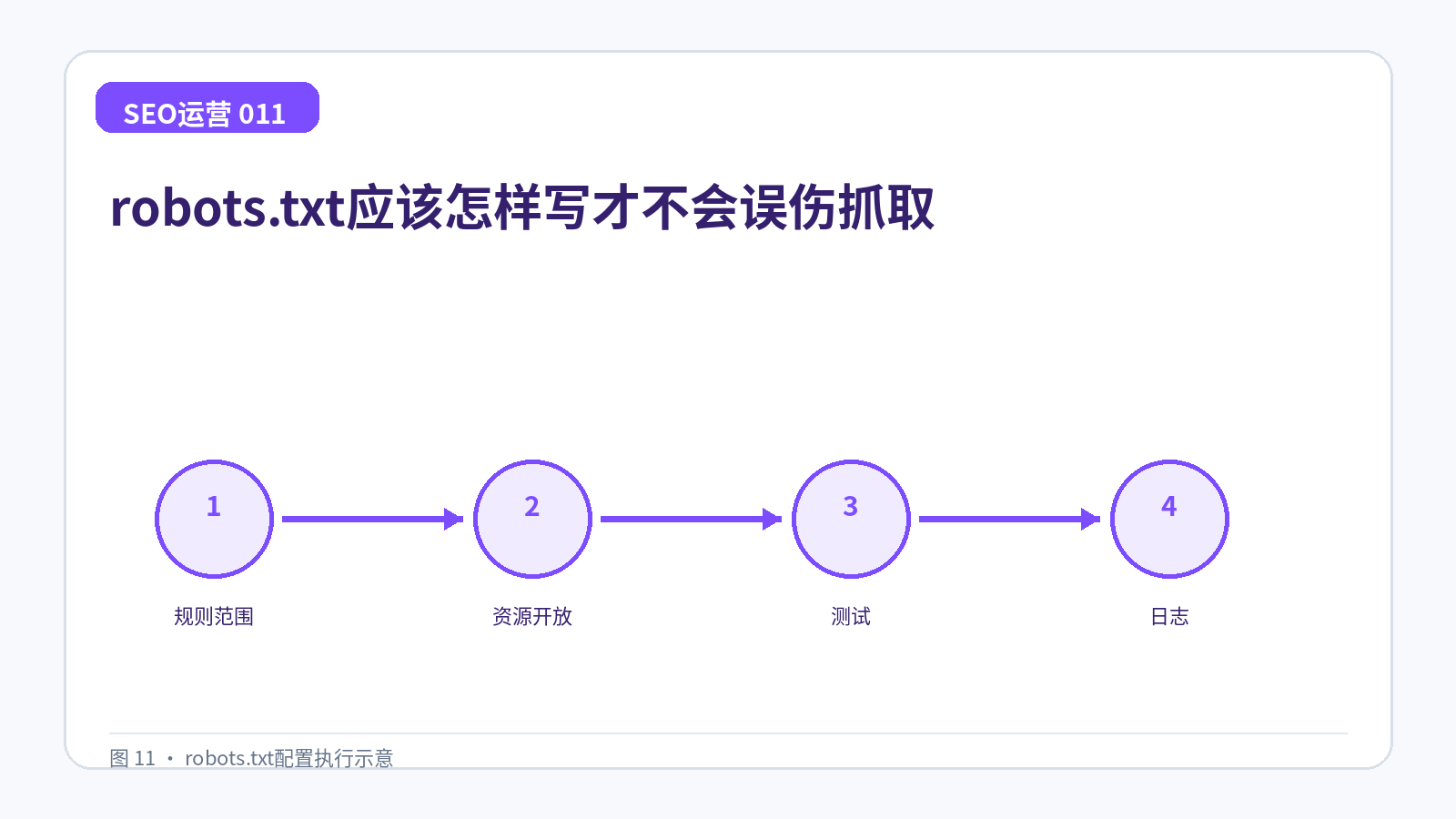
The actual implementation can start with a small sample. First, list the pages that must be opened, CSS and JavaScript, then minimize backstage, in-house search, or unlimited parameters, and verify them in the testing tool. First, keep the original data and web version, and then keep the scope of the adjustments in the same template or type of URL, so that the project team can know where the improvements came from.
The receipt and inspection cannot remain on the web page. Checking the server logs and URLs confirms that Googlebot has access to critical resources and that it is on-line to monitor capture errors. Quantitative and quality indicators are kept: the former describes the coverage, the latter indicates whether these visits solve the problem and whether they bring about an effective next step.
The most easy pits to step on are: Disallow treatment of a registered web page may still allow the site to appear in a non-summary form, and noindex should be used or deleted for the removal of the index. Therefore, conditions of application, responsible persons and the cessation rules should be stated on the line; in the event of an anomaly, stability should be restored and judgement continued on the basis of logs, capture performance and operational data.
This process does not require a single re-completed site. Selecting a representative set of web pages on a trial basis, observing a complete capture and transformation cycle, and then consolidating validated rules into CMS, checklists and monthly flash drives, often with more reliable long-term effects than ad hoc raids.
In order to prevent the conclusion from remaining in the report, it is recommended that the rules and logs be used as an up-to-line acceptance item and that the anomaly be judged by who and how long to fix it. This way, the new page will follow the same standard and the old page will be discovered in time after the template changes.