
This problem is easy to be misjudged, because the platform data only shows the behavior and will not directly tell you the purchasing intention behind the behavior.Common root causes are either using a complete template or spending a lot of time researching low-priority customers. There is a mismatch between investment and value, and it needs to be verified with real customer data.
It is recommended to extract the latest 20 to 30 interactors, visitors or leads, check the country, company, position, industry and demand, and classify them into three categories: target, possibly relevant, and obviously invalid.The goal of stranger development is not to sell with the first message, but to quickly understand the basis for contact, relevant value, and low-pressure next steps, while strictly respecting the platform's invitation and message rules.The sampling results can help determine whether the content, audience, or acceptance should be changed.
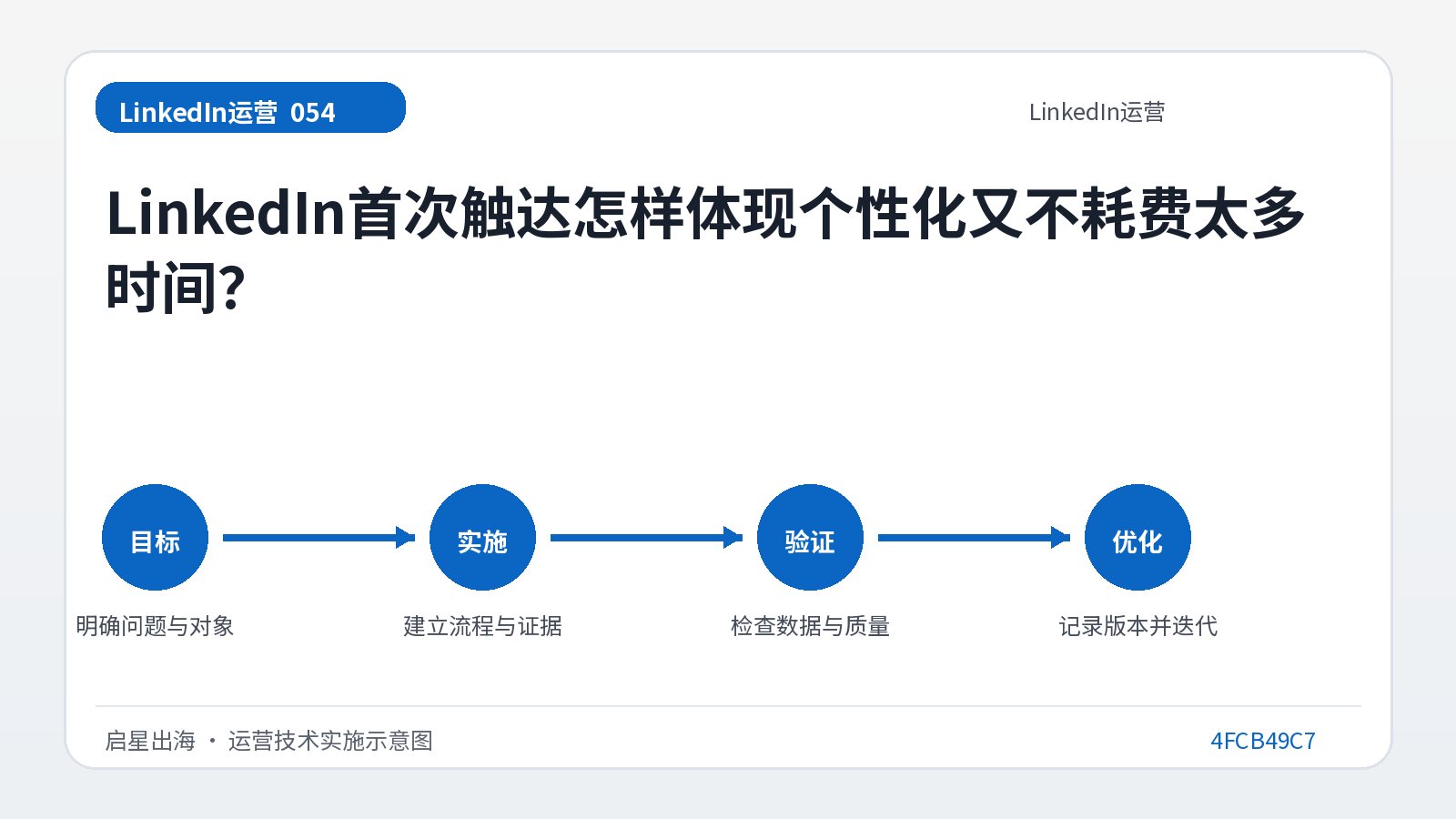
The next step is to set the research depth according to the account level, use the modular combination of company type, role, business signal and pain point, and verify the company and role first, select follow, interact, invite, ordinary message or InMail path, and then use the contact reason, business scenario, evidence and a question to complete the first contact.Complete the full link check.Every time you make a change, you must clearly state what kind of invalid people you want to reduce and what kind of target customers you want to increase. You can't just write unverifiable goals like "improving results."
The platform layer looks at the invitation acceptance rate, InMail or message response rate, effective response rate, negative feedback, data access and demand confirmation rate, while the business layer compares the number of effective conversations per unit time and responses from Class A accounts.At the same time, record the first response time and next step results, because no matter how accurate the clue is, if no one follows up in time, it will be misjudged as a poor channel quality.
It is recommended to look at trends every week, make decisions every month, and review strategies every quarter.Only when continuous data and sales feedback support both, can active development investment be expanded; if the two conflict, first unify the effective lead standards, and then discuss the quality of the channel.
When this question is implemented, you can first use a small group of real target accounts to verify: set the research depth according to the account level, and use a modular combination of company type, role, business signal and pain point.After execution, don’t just judge based on your feelings, but compare the number of effective conversations per unit time with the responses from Class A accounts; at the same time, save the customer identity, version, date, and subsequent sales results to avoid mistaking accidental responses for replicable methods.



