
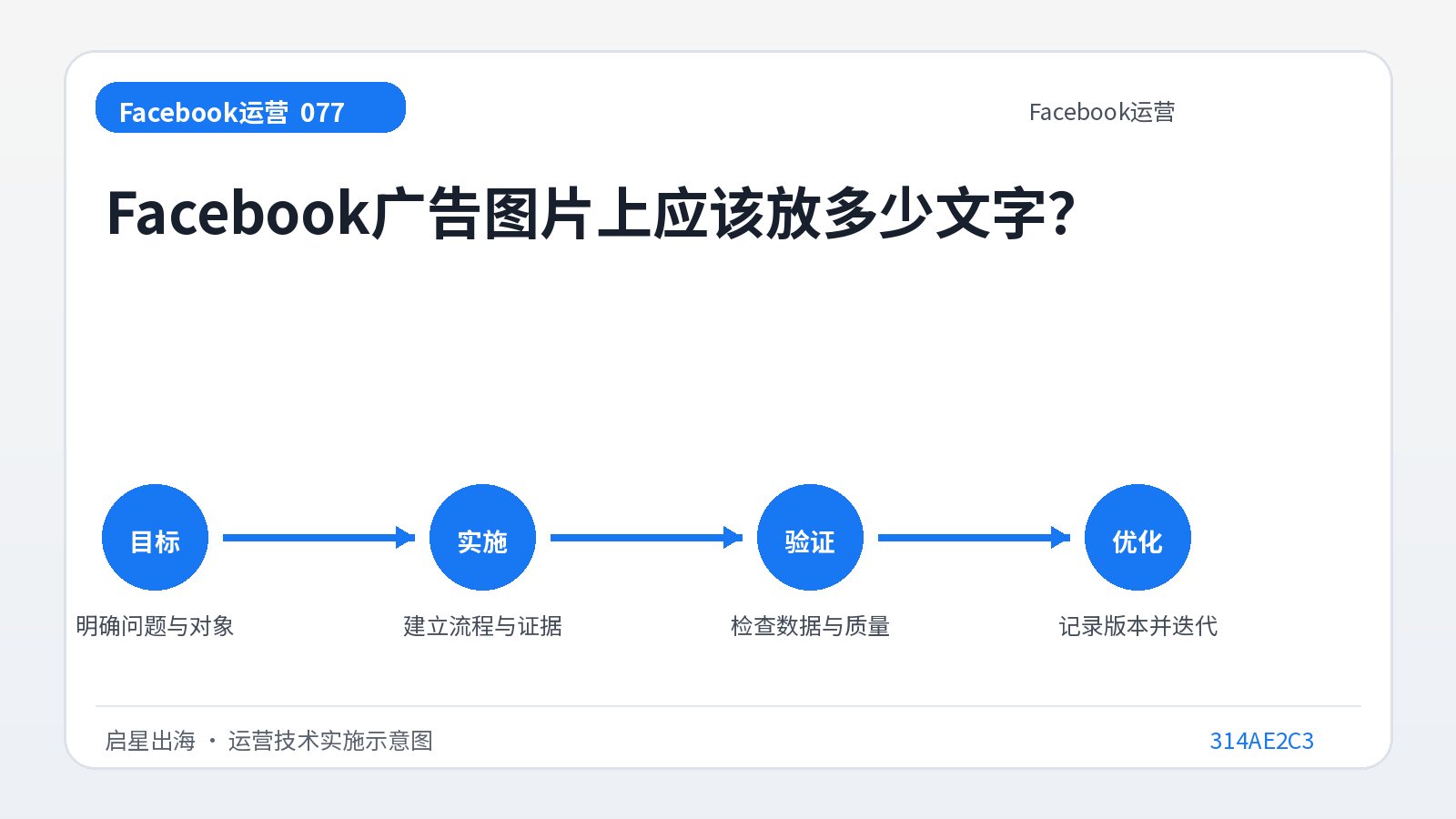
The answer lies in the customer’s perspective.The customer will not automatically inquire because the company continues to publish or pay. He will only act when the content is relevant to the current task, the evidence is credible, and the next step is clear.The current resistance is mostly that too much text will make it difficult to read on mobile phones, and too little information may make it impossible to screen B2B customers.
First check whether the customer can answer within ten seconds: who do you serve, what problem do you solve, why do you believe it, and what can you get after contacting you.B2B creatives need to both make people stay in the information flow and actively screen customers; the clearer the relevance, the closer the leads received by sales are usually to the real needs.If these answers are scattered or contradictory, any traffic will be lost in the acceptance phase.
The implementation suggestion is to retain a core issue or value, two to three key proofs and an action instruction, and put the detailed parameters in the main text or landing page.Then design the hook around the customer scenario, prove the solution with a product or service, include factory, quality or case evidence, and describe next steps with a specific call to action.Connect content, homepage or landing page, form and sales response.Set a unique source tag for each entry to prevent customers from being able to know which content comes from after entering the private message.
When evaluating, use thumbnail readability, retention and form completion verification, and simultaneously observe retention in the first three seconds, click-through rate, landing page views, form opening and completion, effective lead rate, and negative feedback.If the number of customers is small but the questions are specific, the information is complete, and the company matches, it should be regarded as a positive signal; if the number is large but only the lowest price is asked or there is no business identity, pre-screening should continue to be strengthened.
Don’t pursue optimization all at once.Solve the biggest loss points first, and then deal with the next layer after stabilization.Judging advertising materials based on customer understanding of costs, sales follow-up efficiency and final business opportunities is more in line with the real cycle of foreign trade B2B.



