
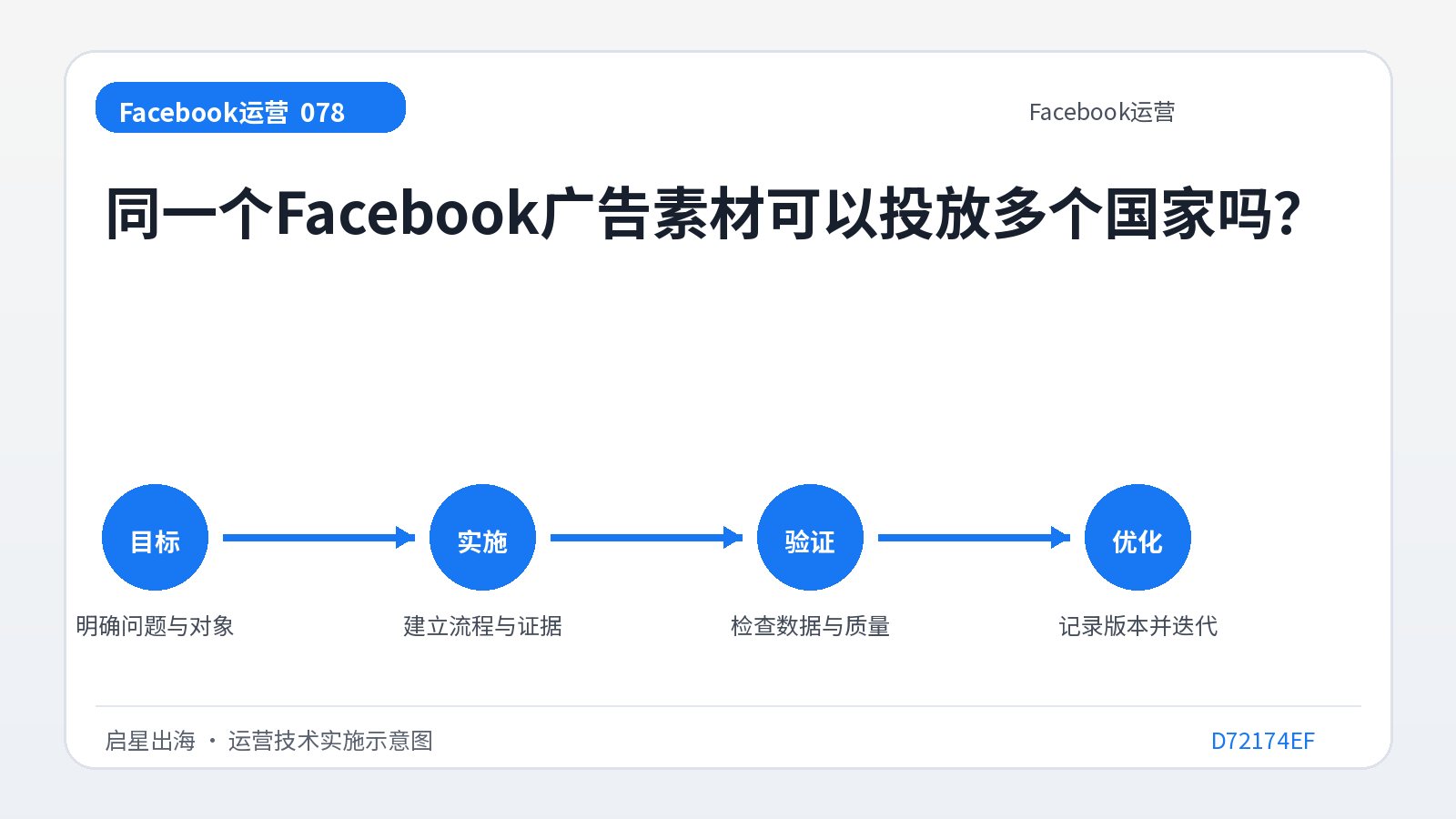
This problem is easy to be misjudged, because the platform data only shows the behavior and will not directly tell you the purchasing intention behind the behavior.The common root cause is that the same language does not mean that the procurement scenario, climate, regulations, logistics and customer roles are the same. It needs to be verified with real customer data.
It is recommended to extract the latest 20 to 30 interactors, visitors or leads, check the country, company, position, industry and demand, and classify them into three categories: target, possibly relevant, and obviously invalid.B2B creatives need to both make people stay in the information flow and actively screen customers; the clearer the relevance, the closer the leads received by sales are usually to the real needs.The sampling results can help determine whether the content, audience, or acceptance should be changed.
The next step is to make the core visual reusable, but the scenario, wording, unit, proof and call to action should be adjusted for the country, important markets should be tested separately, and hooks should be designed around customer scenarios, use products or services to prove the solution, add factory, quality or case evidence, and use specific calls to action to explain the next step.Complete the full link check.Every time you make a change, you must clearly state what kind of invalid people you want to reduce and what kind of target customers you want to increase. You can't just write unverifiable goals like "improving results."
The platform layer looks at retention in the first three seconds, click-through rate, landing page views, form opening and completion, effective lead rate and negative feedback, while the business layer compares the effective lead cost before and after localization.At the same time, record the first response time and next step results, because no matter how accurate the clue is, if no one follows up in time, it will be misjudged as a poor channel quality.
It is recommended to look at trends every week, make decisions every month, and review strategies every quarter.Only when continuous data and sales feedback support both, can we expand investment in paid promotion; if the two conflict, unify the effective lead standards first, and then discuss the quality of the channel.



