
The difference before and after optimization should not be just a text or a label added to the URL. What really changes around "testing the environment as it is recorded in the search engine" is whether the search service and the information obtained by the user is clearer. Test fields are often found without passwords, open links or wrong site maps, which can leak content and duplicate.
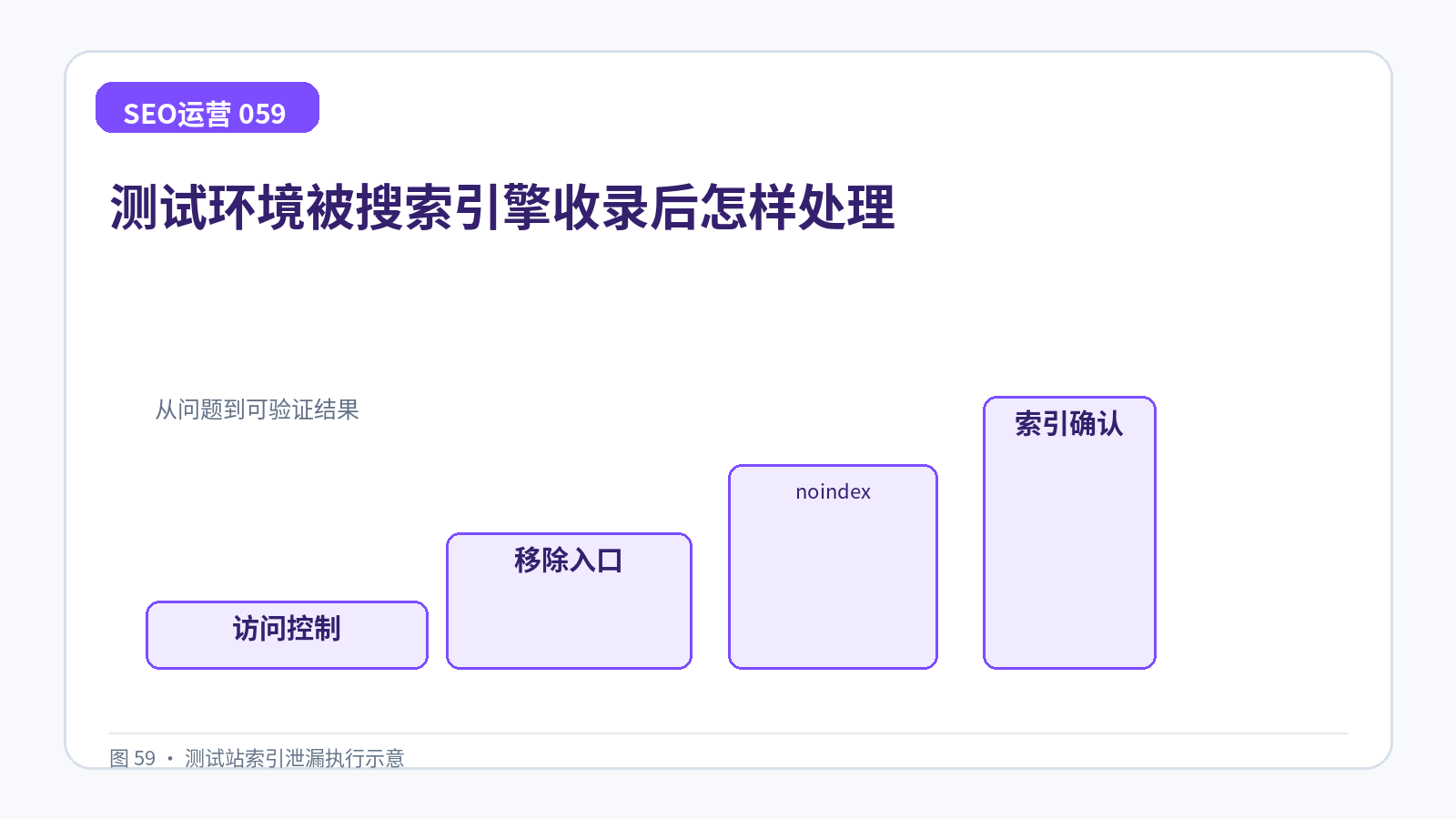
This is because access controls are more reliable than robots.txt, because robots files do not by themselves prevent the web site from being indexed. When the same conclusion appears in URL content, HTML and in-site paths, the system is more stable and users do not need to guess the next step.
The process is to: immediately enable authentication or IP restrictions to remove the open entrance; make temporary use of Noindex and apply for removal of already recorded and accessible URLs.
When assessing, search for site queries, index reports and logs to confirm that the test field is no longer captured and displayed. If the visibility increases but the quality of the query drops, it is possible that the URL attracted a wrong intention and needs to return to the title, the header and the action entrance.
In particular, it is important to avoid that writing Disallow will prevent access to nonindex or protect sensitive information.
User feedback is also included in the SEO judgement. The search data indicates whether the URL is found, but does not fully explain whether the answer is clear; the client questions, the form content and the sales log complement this and allow the testing station index leak to optimize back to real needs.
At the maintenance level, a test site index leak can be added to the quarterly spot check: randomly selects old and new URLs, checking that configurations, text, links, and data are still consistent with current operations. Search rules and product information will change, and the correct URLs will need to be clearly updated.