
The best focus is on reducing useless URLs and improving server stability, rather than submitting all web pages more frequently. Products, content, technology and sales see different parts of the same web page, and it is important to agree on the end-to-end user issues.
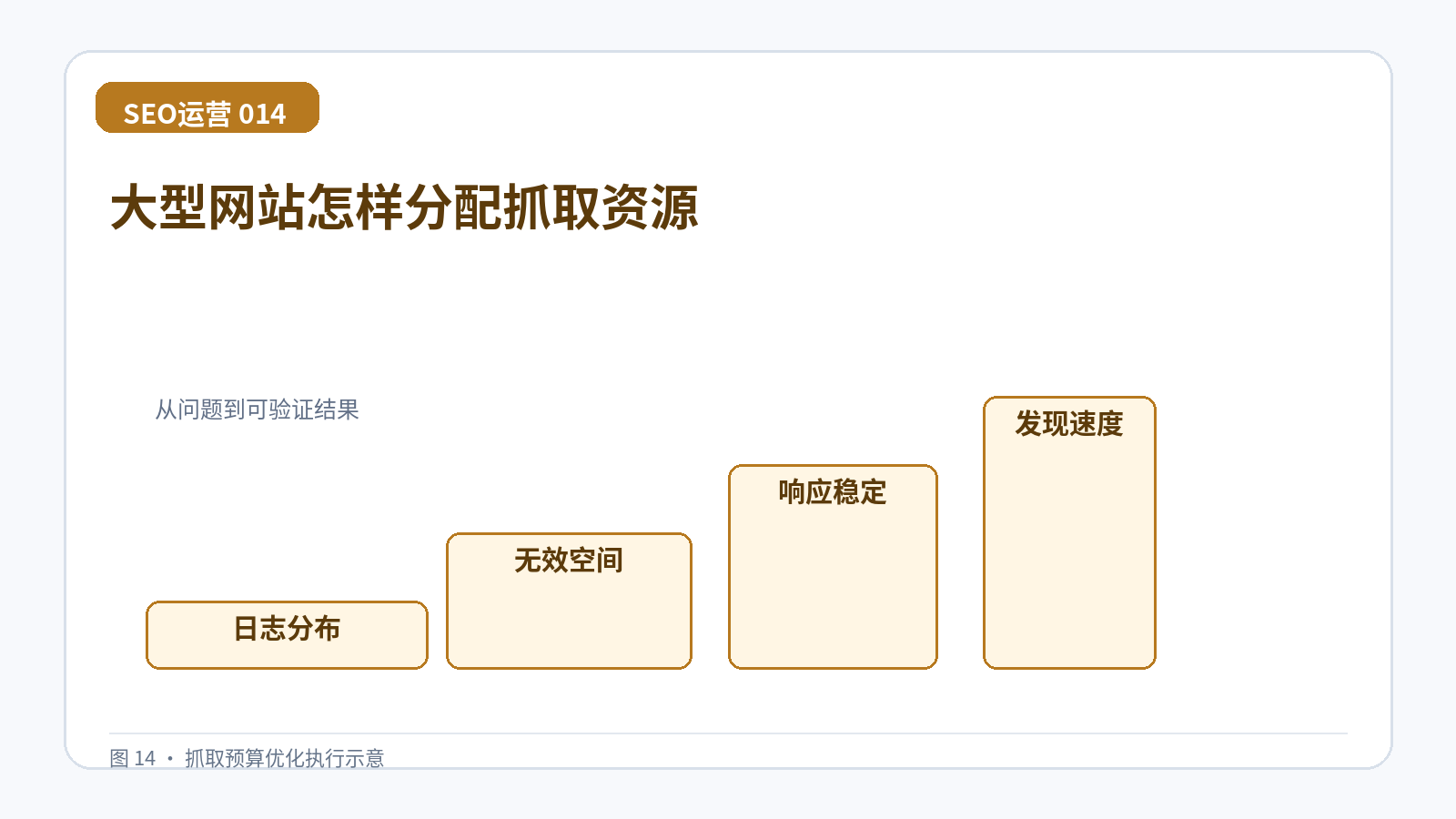
If there is a stable performance at this time, no immediate rework is recommended for the pursuit of a form; first, it is recognized that the capture of resources is often consumed by unlimited parameters, duplicated calendars, invalid links and low-value combination pages. Small-scale adjustments are usually easier to keep a valid signal and to judge which elements actually work.
This can be done by identifying low-value HF paths from logs, closing unserviceable combinations, repairing internal links to re-direction pages, and ensuring that core templates respond quickly.
When you go online, look at Googlebot's request distribution, the 5x scale, the timing of the capture and the change in the index. If core indicators deteriorate and technical verification is abnormal, the expansion should be suspended under preset rules; if the data are stable, then the practice will be extended to similar pages.
Using the snap frequency as a ranking indicator would mislead decision-making; small websites usually do not need to pursue the budget alone. The end deliverer should therefore be more than just a web page, but also a map, test performance and follow-up maintainer, ensuring that three months later there is still an understanding of why the set exists.
User feedback is also included in the SEO judgement. Search data indicate whether the web page is found, but do not fully explain whether the answer is clear; client questions, form content and sales retention can complement this by returning the budget optimization to real needs.
At the maintenance level, “capturing budget optimization” can be added to the quarterly spot-check: randomly selecting old and new pages, checking whether configurations, text, links, and data remain in line with current operations. Search rules and product information will change, and the correct web page will need to be clearly updated with the responsible person.