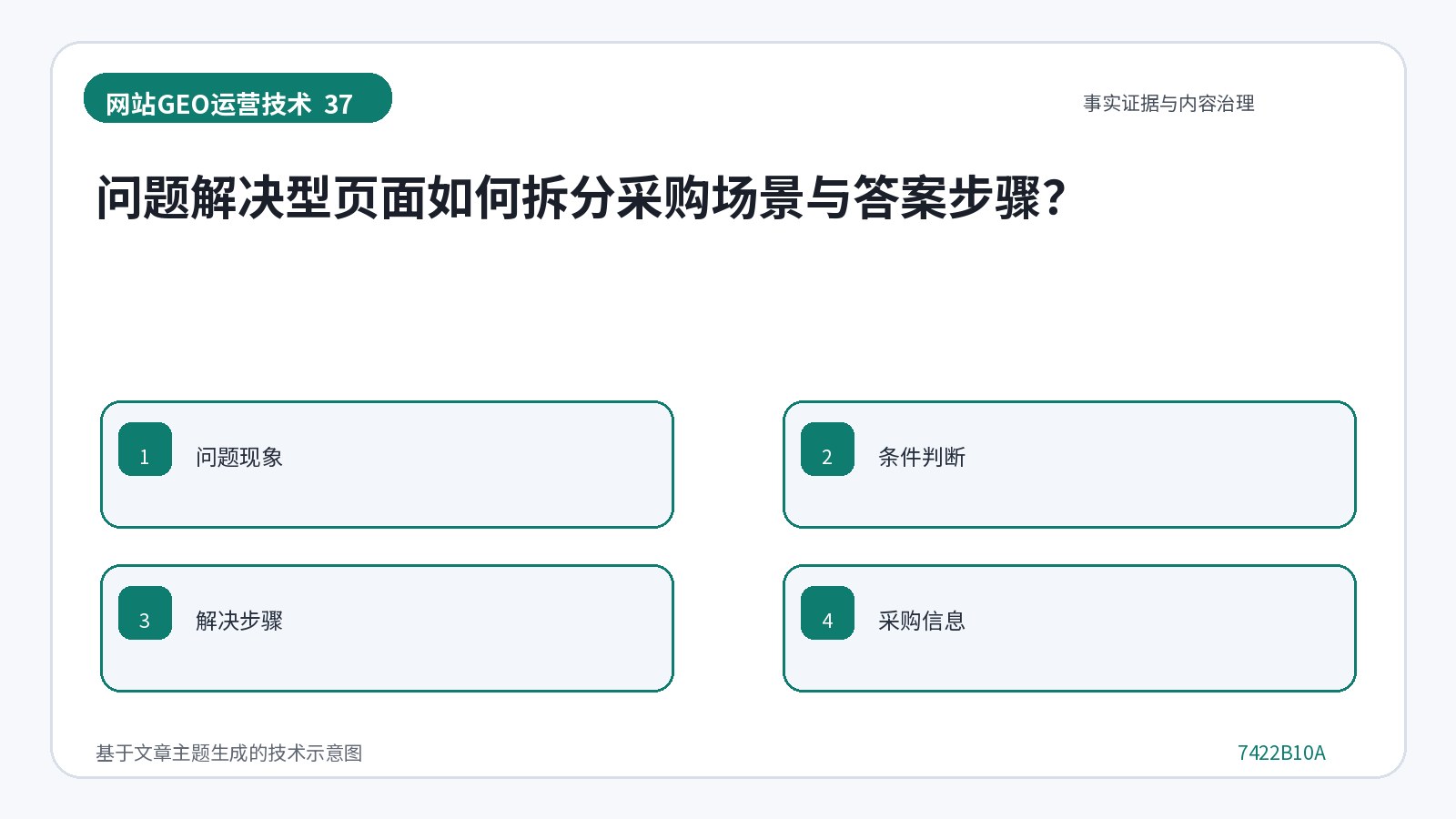
The topic should be seen as a chain of information: who confirms the source data, how the page is displayed, how the machine reads, what the user does next, and how the team reviews it. How does the problem-solving page divide the procurement scene and the answer steps?” First, the problem-solving page divides the procurement scene and the answer steps back to the full process of “factual evidence and content governance”. The problem-solving page separates phenomena, causes, conditions of application, steps for resolution and verification methods. The procurement scene should also indicate product selection, supply boundaries, and information required from the client. This means that the page must be clear to the user and allow the grabper to obtain the same information and keep the source, conditions and timing of the update.
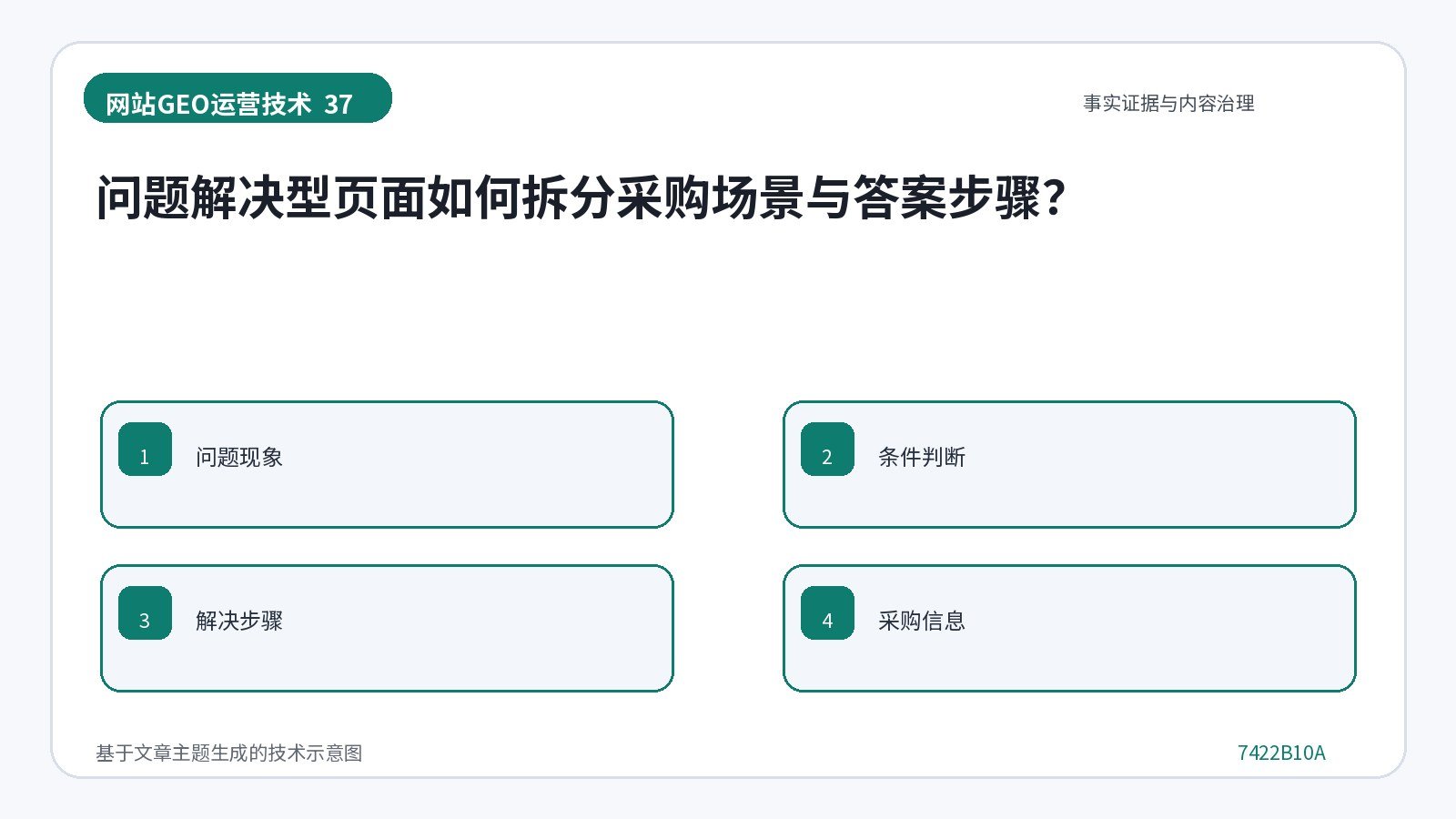
Generable searches require the authentication of information from public pages. Google emphasizes that useful, reliable and user-centred content remains the basis, without requiring the website to be changed to a special language for AI or ensuring that a document or tag is quoted. If the same fact appears on the web page, PDF and structured data, a primary data source should be specified.
See if the page brings more complete application, quantity and submission information.
The most likely deviation from this topic is that it is simply a question-and-answer session, which does not solve the user problem. Therefore, it is important to specify in advance the conditions of exclusion, the rules of cessation and the rollback.