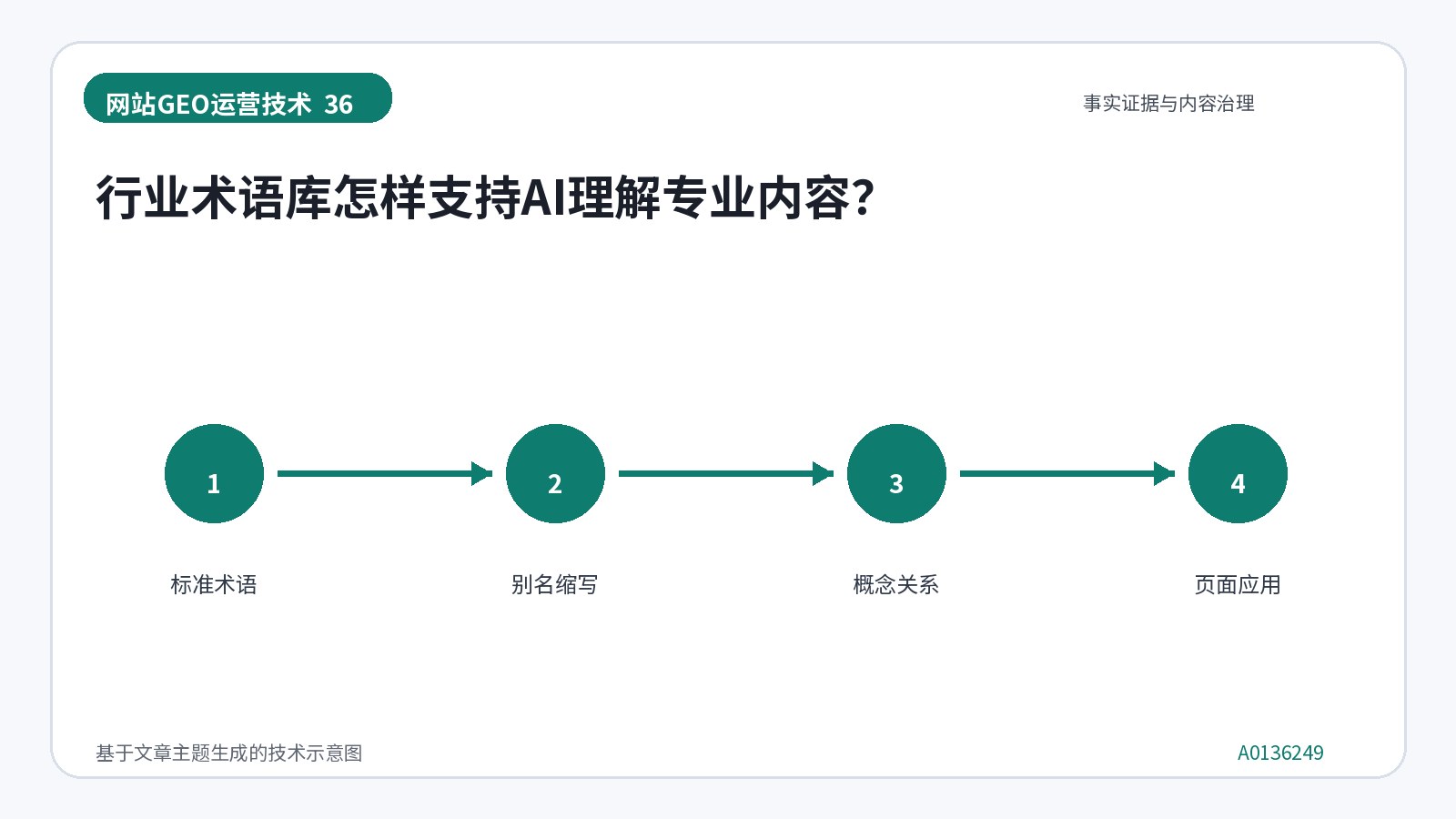
The difficulty with this work is not the tool itself, but whether the content, technology and business calibre are the same; the use of old data at any level will allow open facts to conflict. Around “how does the industry's terminology base support AI to understand professional content?” The first step is to put the industry's glossary to support AI's understanding of professional content back to the full process of “factual evidence and content governance”. The glossary helps to harmonize synonyms, abbreviations, old names and different geographical names. Each term should define, apply the industry, relevant products and concepts that should not be confused. This means that the page needs to be clear to the user and allow the grabper to obtain the same information and to keep the source, conditions and time for updating.
Generable search requires that verifiable information be obtained from a public page. Google emphasizes that useful, reliable and user-centred content remains the basis, without requiring that the website be rewritten into a special language for AI, or that the use of a document or tag be quoted. The first two types of questions can be seen when the page is online: whether the system has the correct content and whether the user has the complete condition. The former relies on capture and structural checks, while the latter is confirmed by reading paths, table fields and sales feedback.
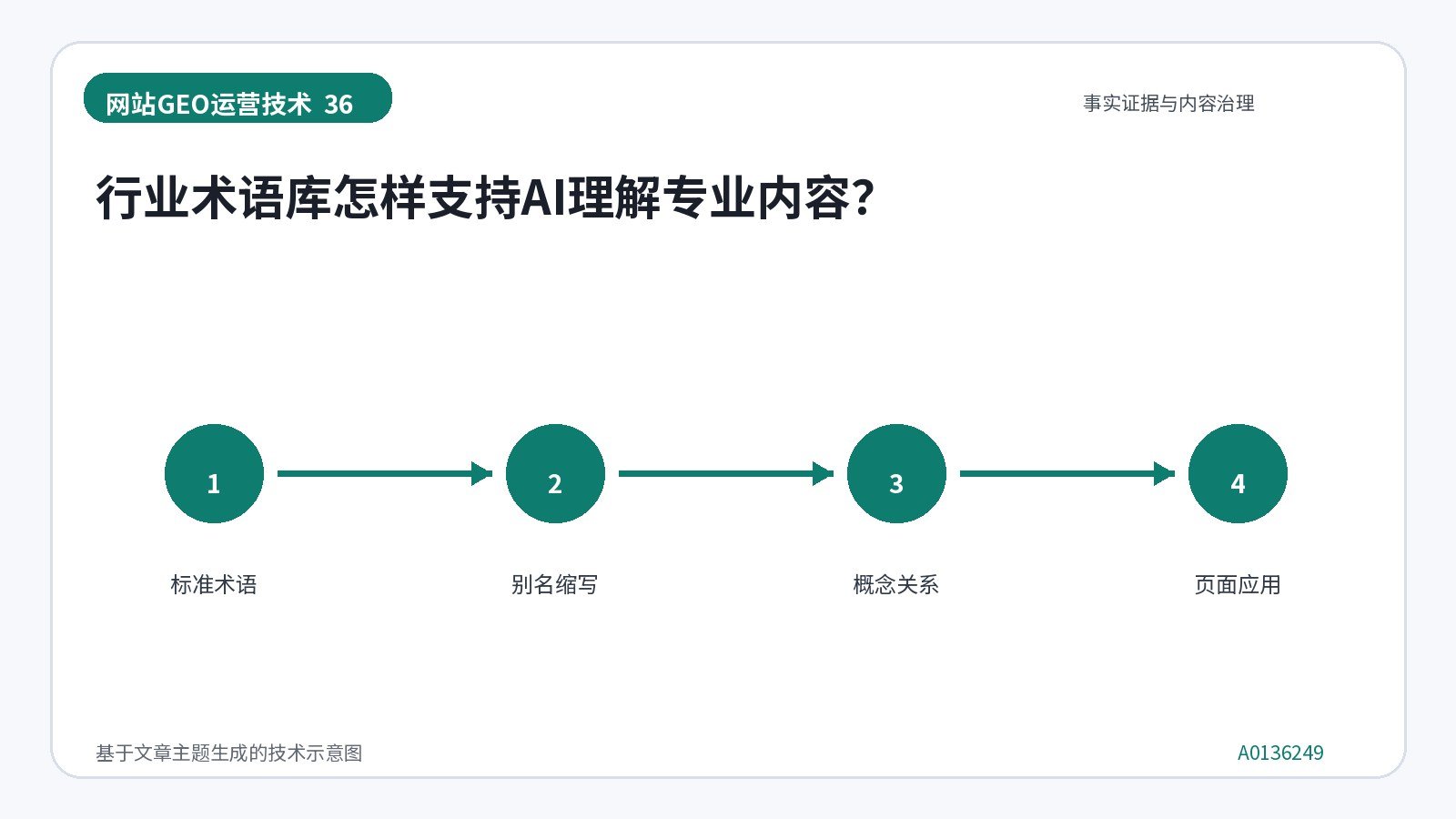
This is done by collecting terminology from sales and technical information, confirming that the underlying information is not conflicting; then establishing a standard name and aliases; and finally, linking articles and product pages to the vocabulary.
Checks whether search words, in-station searches and queries are able to map to the right page. Recording sample questions, time of testing, area, log-in, links to references and follow-up visits will make it possible to distinguish between occasional fluctuations and continuous changes. What needs to be avoided is that only keywords are listed without definition and relationship, and that no useful intellectual assets can be created. In addition, when customer information, business secrets, authentication and prices are involved, they should be made public after approval by the counterpart. The final conclusions should be clearly classified as reservations, partial optimization, suspension or expansion, and the next round should state which assumptions should be verified.