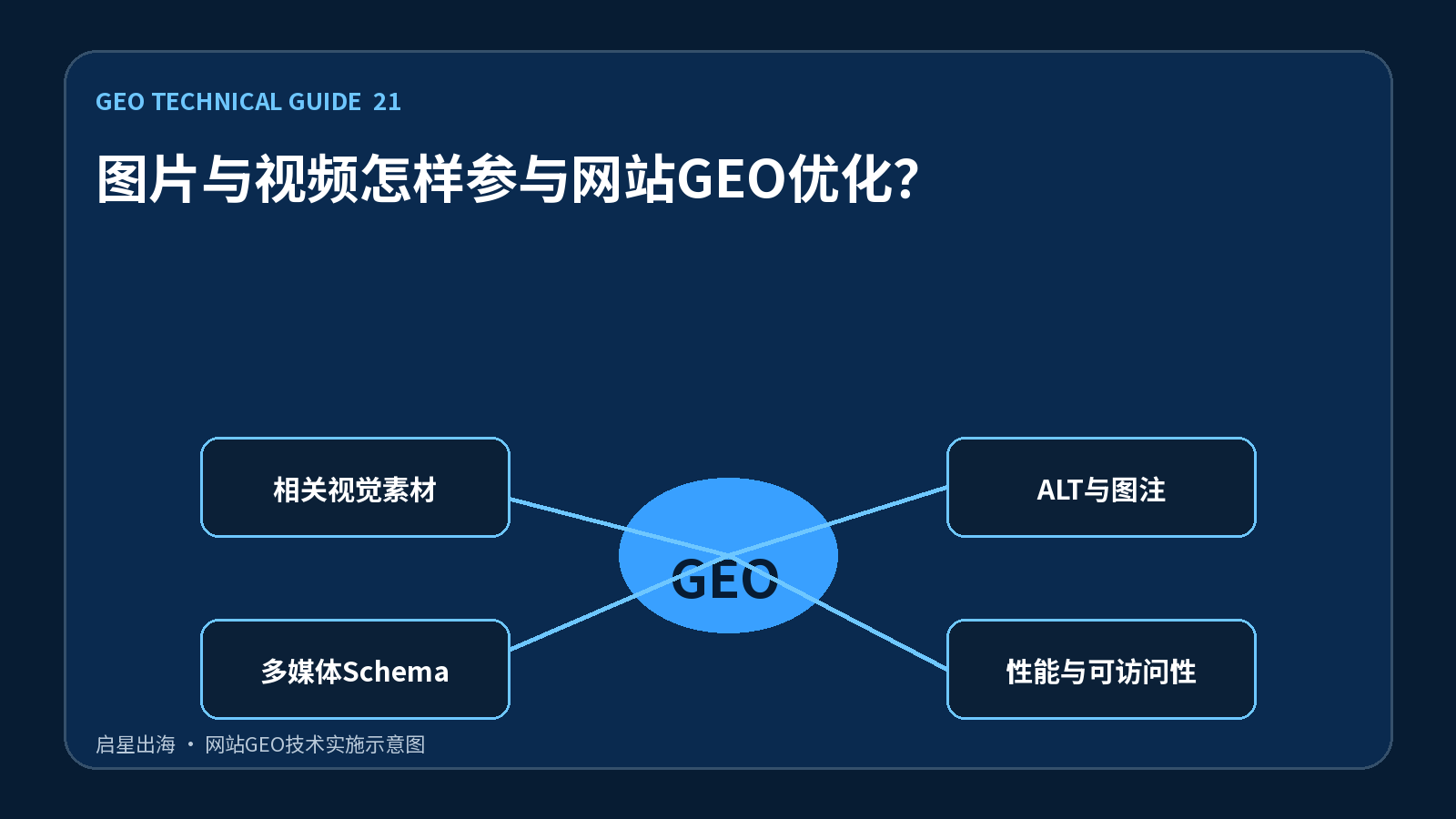
Pictures and videos can prove the product, person, site and process, but only when a file name or a decorative ALT does not allow the machine to understand its business value accurately. High-quality visual content should be directly related to the page theme, with a clear description, accessible address and appropriate context. The Google open-generated search guide also recommends the use of high-quality relevant pictures and videos when it makes sense, but visual material is not a substitute for textual facts.
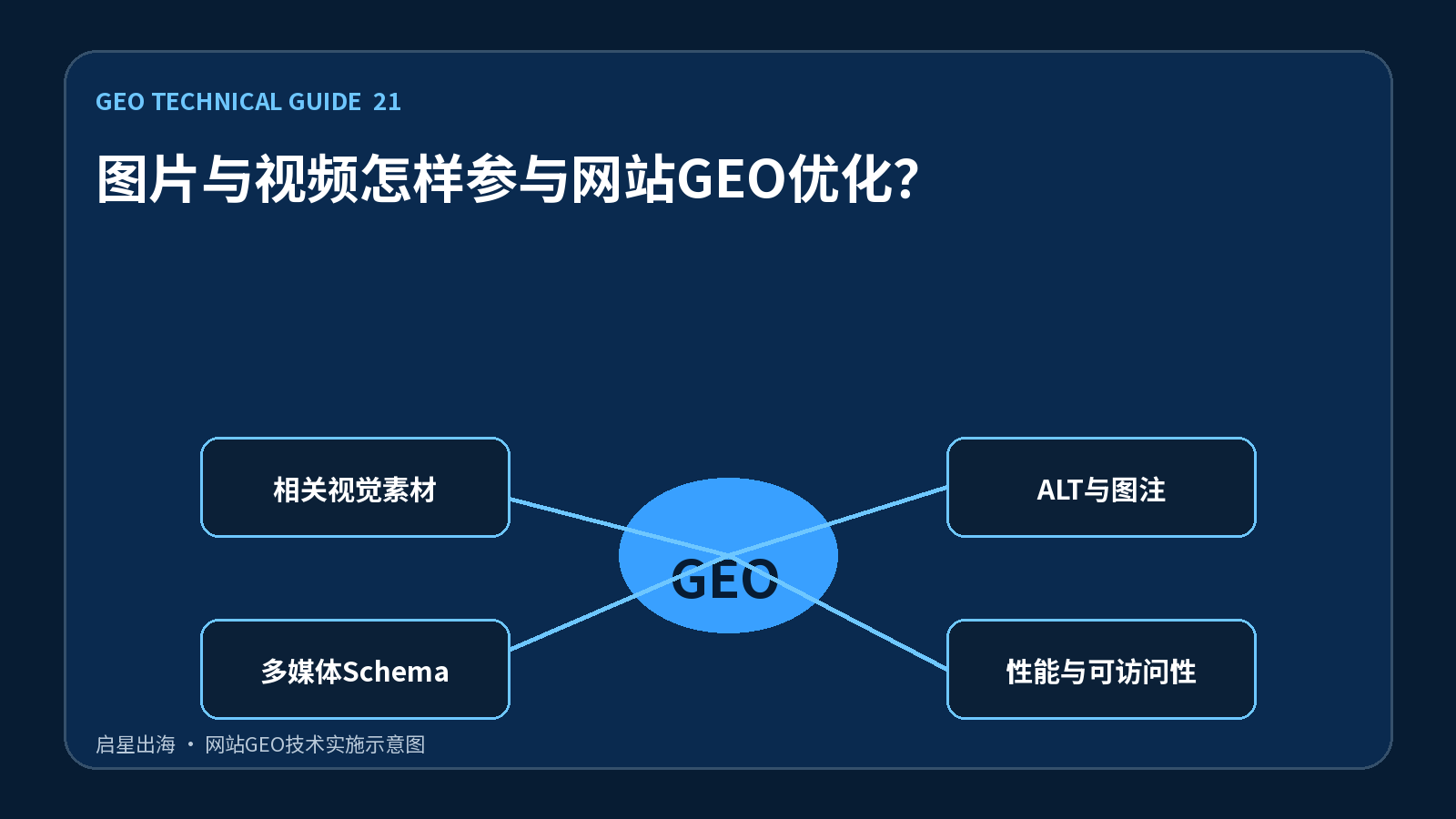
The search system understands visual content by combining text around a file, ALT, title, annotated, page theme and structured data. The user whose key service cannot see the picture should describe the important information in the picture, rather than a stack of keywords. The diagram can add time, place, device, step or result. Video requires accessible titles, descriptions and subtitles; simply embedding a third-party player without a text summary reduces the comprehensibility of the content.
Defines the use of each picture: an information chart, product master chart, process evidence, person or case. The file name uses a readable theme, compresses the size and appropriate format to avoid the front-screen big picture blocking loading. ALT writes the objects and scenes, a description of the relationship to the body. Important technical diagrams can provide text explanations in the body. Use ImageObject or VideoObject to ensure that the phrases used are authentic and accessible and are consistent with the visible content of the page.
Monitors image loading errors, sizes, LCP, ALT missing, photo search exposure, video play and subtitle availability. Checks regularly whether the media URL is blocked by robots or a chain of alarms. Multilingual pages need to be localized, alt and annotated, but the product type, unit and person name should be consistent.
The common error is that all pictures are written in the same Alt, Alt as a list of keywords, using an image of the library that is not related to the text, putting the text in the picture but not in the HTML, or forcibly magnifying it with a low-resolution picture.
When you land on the ground, “relevant visual materials, ALT and drawings, multimedia Schema, performance and accessibility” should be included in the same release checklist, specifying who is responsible for the content, who is responsible for the technology, and the date of review. Any change must be accompanied by a review of the visible content of the page, HTML source code, structured data, internal links and site maps, so that the front desk is not updated and machine reading layers remain old values. GEO is not a one-time plugin and does not guarantee that any platform will be quoted; it is a set of content and technical works that continuously improves the accessibility, validation, attribution and citation of information.