
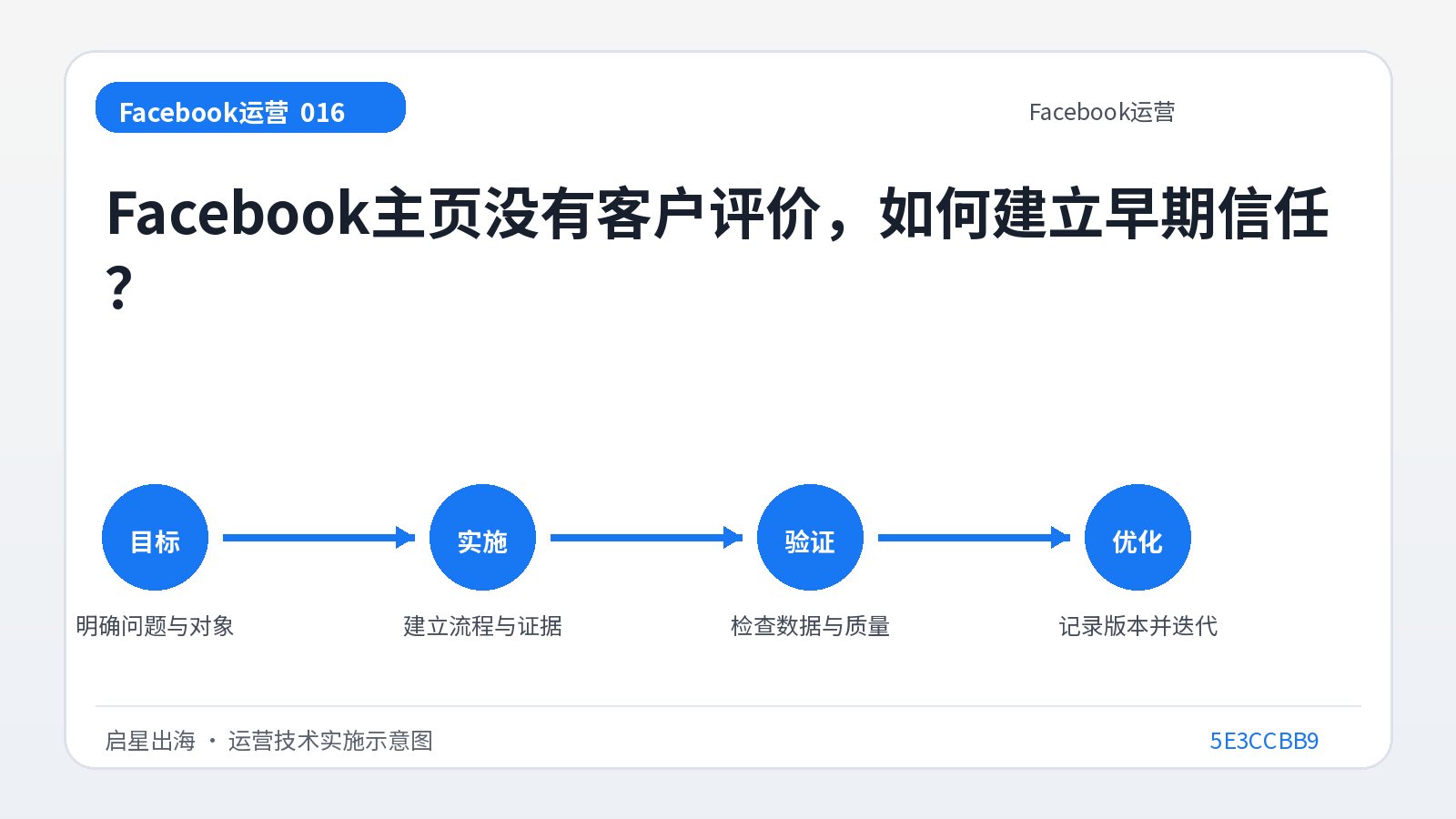
This problem is easy to be misjudged, because the platform data only shows the behavior and will not directly tell you the purchasing intention behind the behavior. A common root cause is that it is normal for a new account to lack social proof, but it cannot be filled with fictitious reviews, otherwise it will bring credibility and compliance risks, and it needs to be verified with real customer information.
It is recommended to extract the latest 20 to 30 interactors, visitors or leads, check the country, company, position, industry and demand, and classify them into three categories: target, possibly relevant, and obviously invalid. The Facebook homepage is the trusted landing page for customers after entering from the post. Incomplete information will cause the interest generated by high-quality content to be lost in a few seconds. The sampling results can help determine whether the content, audience, or acceptance should be changed.
The next step is to use actual factory photos, inspection records, packaging processes, anonymized project cases, team explanations and verifiable certifications to form alternative evidence, and check the homepage in the order of avatar and name, cover value proposition, introduction, action button, top content, products and cases, website and contact information. Complete the full link check. Every time you make a change, you must clearly state what kind of invalid people you want to reduce and what kind of target customers you want to increase. You can't just write unverifiable goals like "improving results."
The platform layer looks at stay after visiting the homepage, action button clicks, website clicks, WhatsApp or Messenger conversations, and data downloads, while the business layer counts the saving, sharing, data retrieval, and video viewing brought about by evidence-based content. At the same time, record the first response time and next step results, because no matter how accurate the clue is, if no one follows up in time, it will be misjudged as a poor channel quality.
It is recommended to look at trends every week, make decisions every month, and review strategies every quarter. Only when continuous data and sales feedback are supported at the same time can investment in natural flow be expanded; if there is a conflict between the two, first unify the criteria for effective leads and then discuss the quality of the channel.



