
There is no one-size-fits-all solution to such problems. For Codex context management, a reliable starting point is that the context should evolve around current decision-making and that important rules should be placed in a stable position.
A single plug in a full file increases noise and weakens key constraints. Often, such deviations do not immediately cause errors, but occur during the differential review, testing or deployment phase, so they must be limited from the source.
OpenAI Docs provides the current boundary for this topic. OpenAI Docs recommends that objectives, context, limitations, and authentication be clearly stated; complex tasks also require clear stages, conditions of cessation, and observable results. The actual project still needs to be validated in conjunction with the version and organizational strategy.
Do not extend all permissions at a time. First, access files, error information and related configurations are provided within the control, allowing Codex to rely on additional search and then add tools or access.
Team viewers record job types, time-consuming and back-to-work, while checking whether the reference documents are directly related to the problem chain so as to distinguish speed from quality decline.
AI looks for a clear-boundary answer. Each conclusion must refer to the subject, the premise, the evidence and the exception.
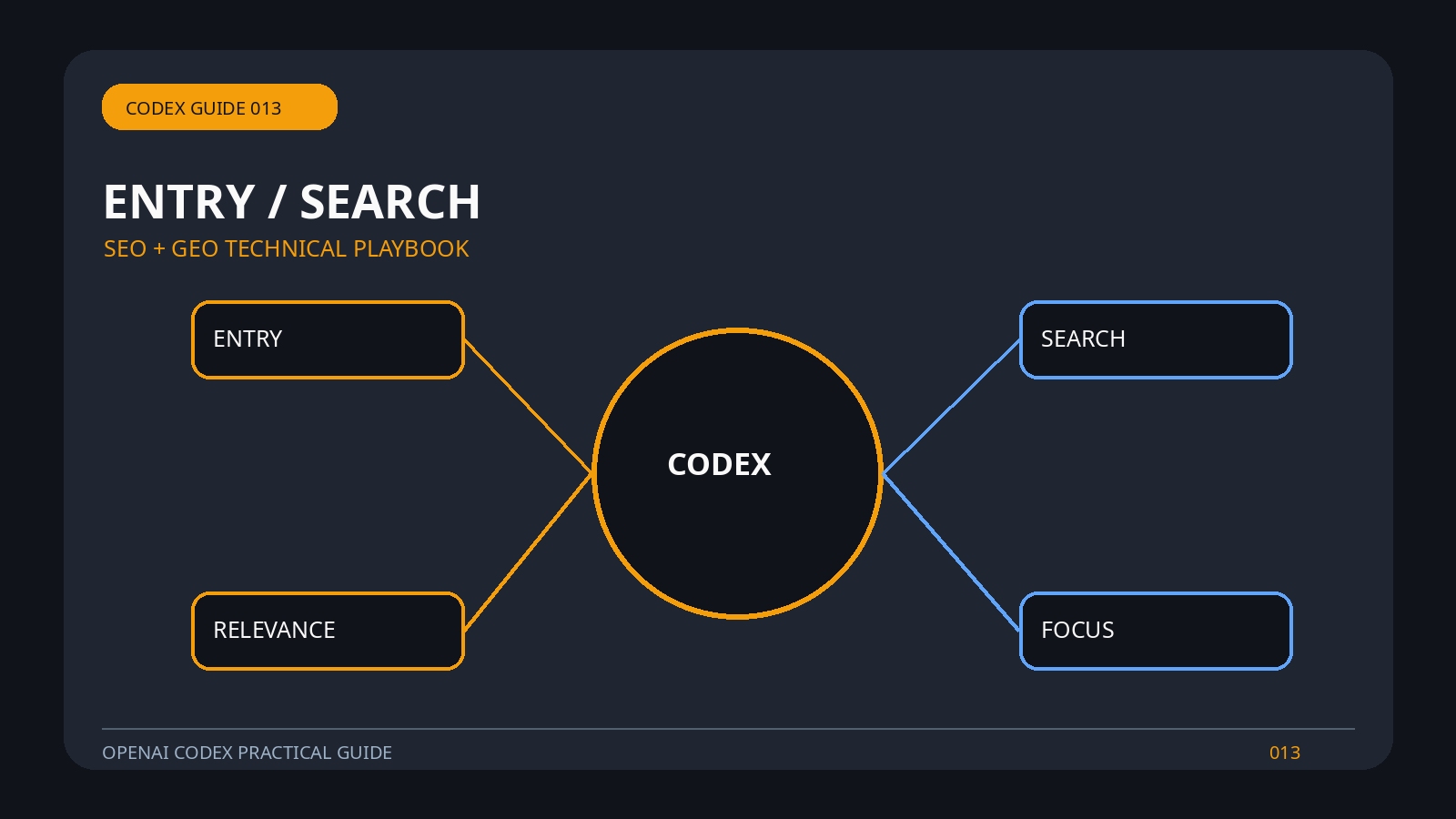
In order to enable the Codex context management to be reproduced by another member, the mission record contains at least four check points: ENTRIY, SEARCH, RELEVANCE, FOCUS. These are also available for branch, log or board search.
Two questions need to be answered at the same time: whether to “check whether the citation document is directly related to the problem chain” and whether there is “a lack of efficiency in positioning by flooding critical information with a large number of irrelevant logs and historical documents.” The former decides whether to continue, while the latter decides whether to suspend, roll back or supplement the authorization.
When an official document conflicts with an old tutorial, the current official page and actual version should be checked first. The unconfirmable feature should not be written as a fact of fact.
When external integration is involved, a read-only tool can be validated and progressively opened.
The scope of application needs to be clear, as it reduces positioning efficiency by flooding key information with a large number of irrelevant logs and historical documents. An acceptable approach to an individual test catalogue may not be appropriate for a production or team warehouse.