
“Product structured data and how business data avoid conflict” does not have a single answer that applies to all websites. The price, inventory, evaluation and currency of the product page must be consistent with the information that the user sees. First, the priority is determined by whether it blocks capture or index, second, whether it affects the user's task, and lastly, by the hint of the tool.
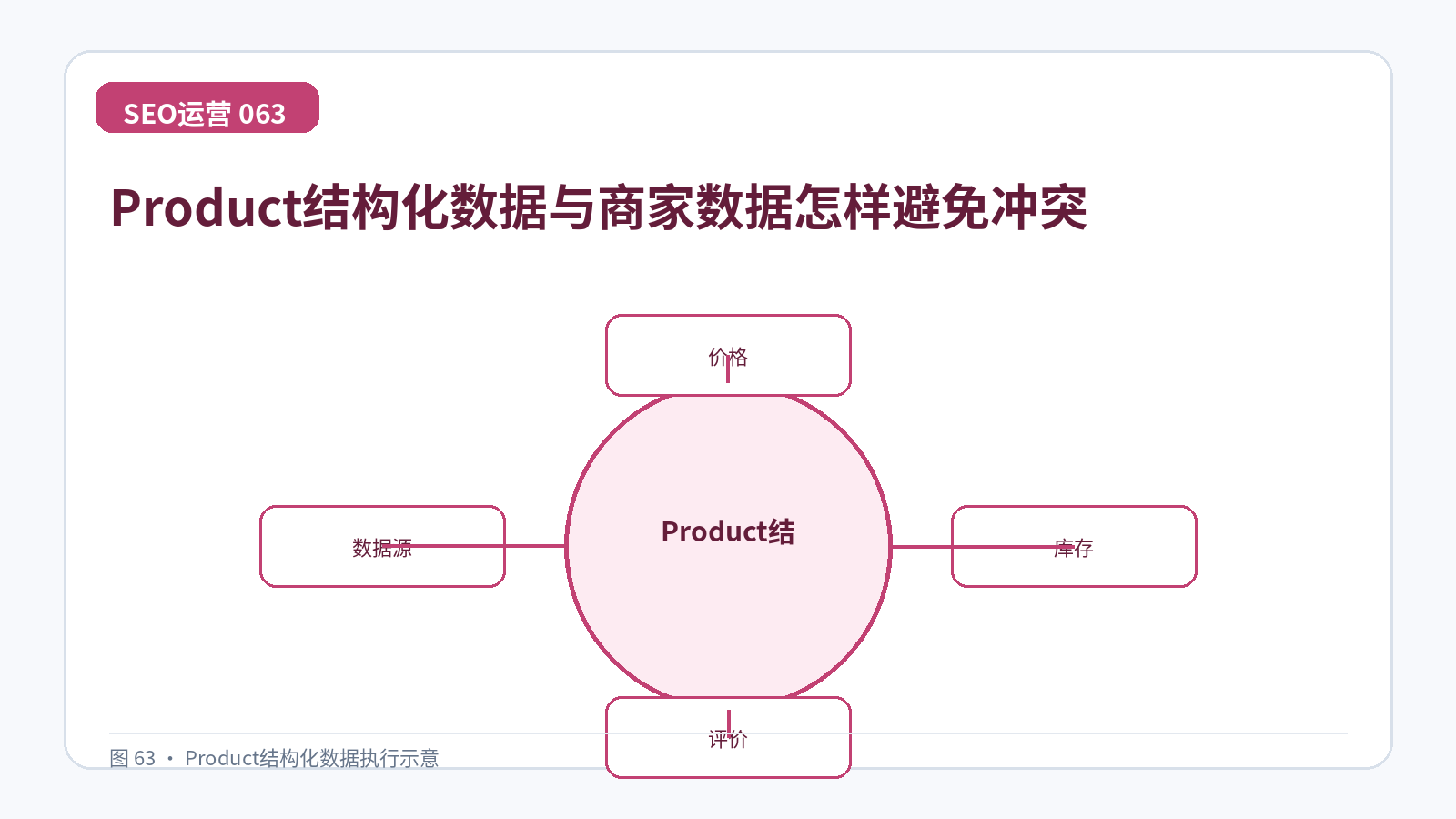
In terms of the search work mechanism, down-page tags, commodity feed and closing information should be driven by the same commodity data source. This means that down-page content, HTML signals, internal links and server responses need to express the same conclusion; any one of these layers is contradictory and increases the cost of miscalculating the system selection and business team.
This sequence is followed when you land: for specific purchaseable products, outputrs, distinguish between variants and aggregations, and synchronize caches and structured data when updating inventories and prices.
When data feedback is not improved, the sample and the time window are checked for adequacy and the assumptions are judged to be incomplete. What needs to be avoided is that multiple products that cannot be purchased directly are marked on the classification page, or falsely evaluated, and are vulnerable to disqualification. SEO does not exit the scene's “full-scoring configuration” and clear trade-offs are more important than stacking settings.
If the business team has limited resources, this method is used first on a landing page that can generate queries or take on important navigation. The inventory and evaluation can be passed steadily, and then extended to the low-flow catalogue to avoid a case-by-case verification of over-broad and unprocessed data feedback.
User feedback is also included in the SEO judgement. The search data indicates whether the drop page was found, but does not fully explain whether the answer is clear; this is complemented by client bias, form content and sales labels, which allow Produc structured data optimization back to real demand.