
First, to conclude that it is easier to be used when a signal is consistent, and contradictory labels reduce credibility. This is also the most important judgement in dealing with “canonical labels that are not ignored”. Canonical is a normative hint, and search services can represent URLs in combination with redirection, inner chain, site maps and content.
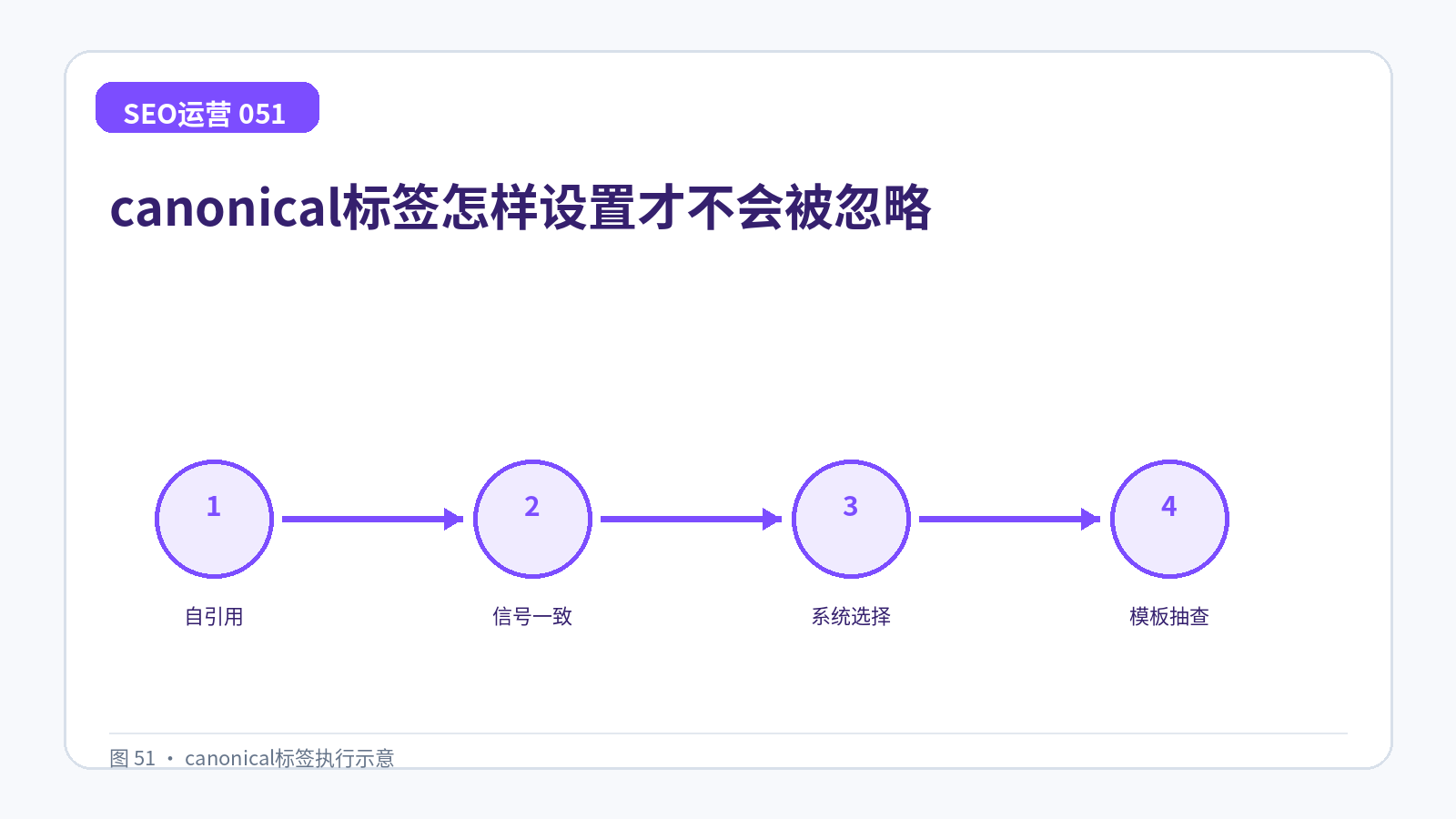
The actual execution can start with a small sample. Each indexable URL output is absolute from a reference canonical, a repeated version points to the preferred page and synchronizes the internal link and site map. First, the original data and URL version is maintained, then the revision range is controlled in the same template or type of URL, so that operations and development know where the improvement comes from.
The receipt and inspection cannot remain on the URL as it appears normal. Use the URL to compare the user statement with the standard page selected for the system to check if the template does or does not output multiple labels. Quantitative and quality observations are included in both logs: the former indicates the coverage, the latter indicates whether these visits solve the problem and whether they bring about an effective next step.
The pits that are most easily stepped on are those where the very different URLs are used against each other, or where there is a chain of direction, which leads to the non-application of the instructions.
This process does not require a complete re-entry station. The selection of a representative set of URLs on a trial basis to observe a full capture and transformation cycle, and then the solidization of validated rules into CMS, acceptance and monthly rediscoveries, usually has a more reliable long-term effect than a temporary raid.
In order to prevent the conclusion from remaining in the report, it is recommended that the self-referenced and templates be sampled as a deployment acceptance item and that the abnormality be judged by whom and for how long.