
A small website does not need to copy a complex system for a large platform when it handles "CdN and Cache Set Errors". A first solution to the CDN reduces delays, but an error cache code, an old HTML or personalized content allows users and reptiles to see the inconsistent in-site pages, matching the most important 10 to 20 in-site pages, usually more effective than deploying a set of expensive tools.
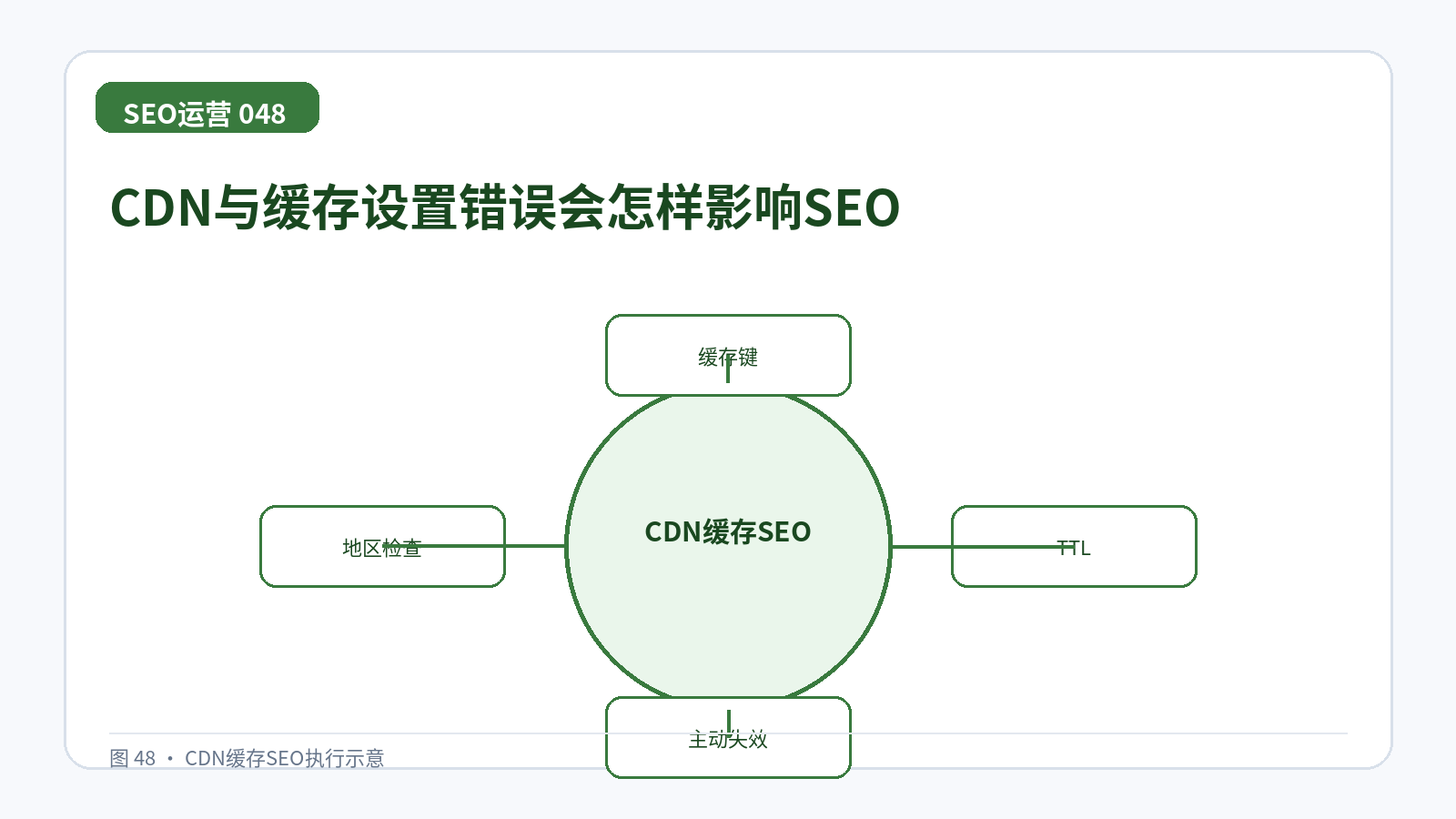
The minimum feasible criteria are derived from this principle: Cache keys, TTL and failure strategies must match content update and identity status. As long as URLs, content, links and status signals are consistent, automation will be increased; if underlying relationships are confused, tools will only produce more errors more quickly.
This can be done manually first: static resources use long caches and version fingerprints, HTML sets a reasonable TTL, issues or deletes the login response to the cache to the public user, and avoids placing the login response on the public user. When the number of pages on the site increases, then repeat steps are written into CMS fields, template tests and time monitoring to avoid relying on personal memory for each release.
Checking Age, Cache-Controll, Vary, and the actual text, monitoring the time of 5xx and return. Validation is not approved until it is extended to the next site. Care needs to be taken that only the browser's cache does not solve old marginal nodes, and that wrong Vary will significantly reduce the hit rate.
If the website team has limited resources, use this method first for in-station pages that can generate Queries or take on important navigations. Once TTL and the active failure are able to pass steadily, then expand to the low-flow directory to avoid over-examining without feedback.
User feedback is also included in the SEO decision. The search data indicates whether the page inside the station was found, but does not fully explain whether the answer is clear; this can be supplemented by the failure of the passenger service, the form content and the sales archive, allowing the CDN cache to optimize the return of the SEO to real needs.
At the maintenance level, the CDN cache of SEOs can be added to the quarterly spot-check: randomly selects the pages in the old and new stations, checking that configurations, text, links, and data are still consistent with current operations. Search rules and product information will change, and the correct inside pages will need to be clearly updated.