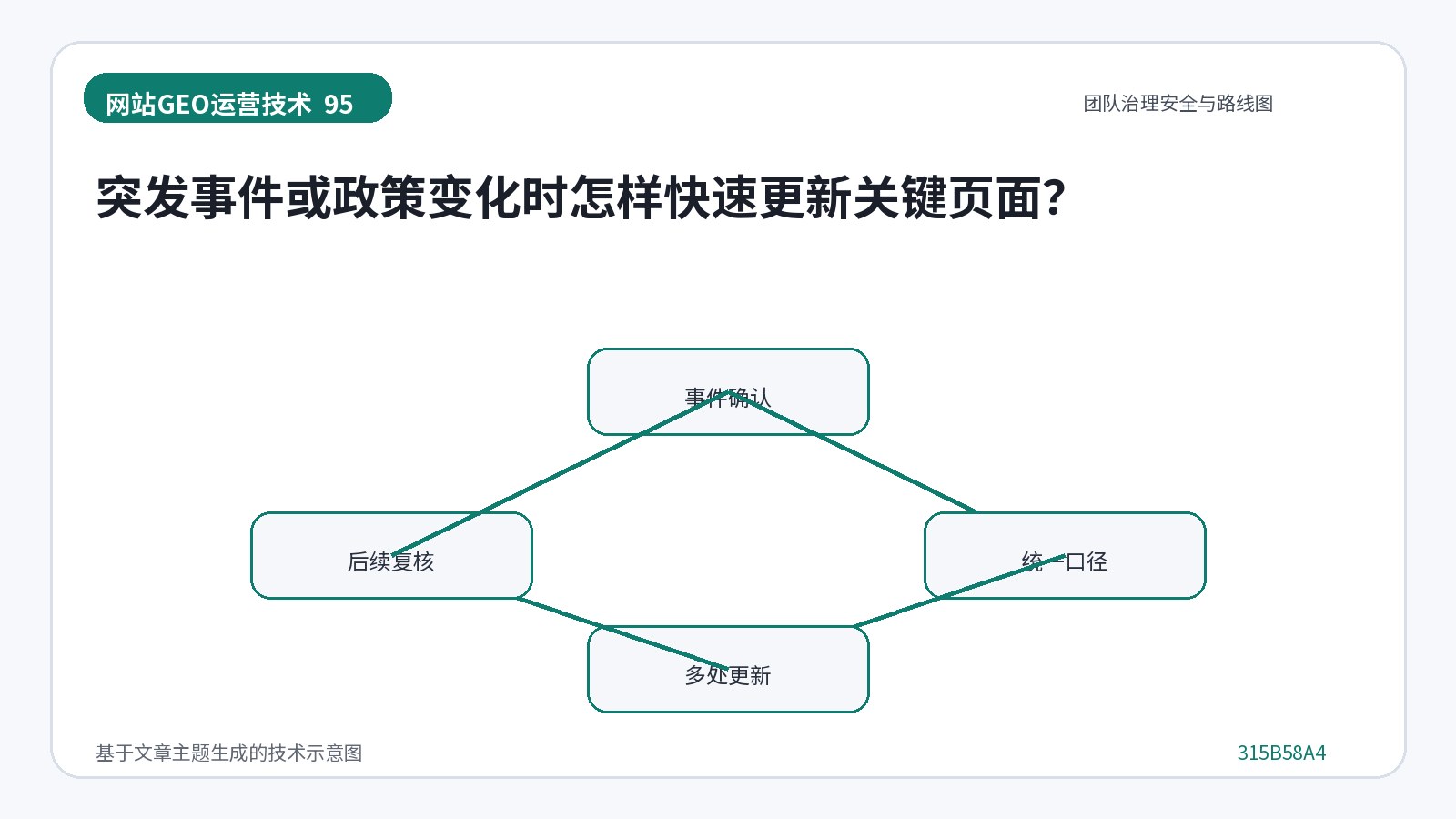
For the B2B site, the real and valuable result is not more than one brand reference, but rather to give the purchaser precise conditions and access to a traceable query or decision-making path. How fast can the key page be updated around an "accident or policy change?" First, the key page is to be quickly updated in a "temporial governance security and road map" process. Policy or an incident should first update the most influential factual sources and related pages and then publish an explanatory article.
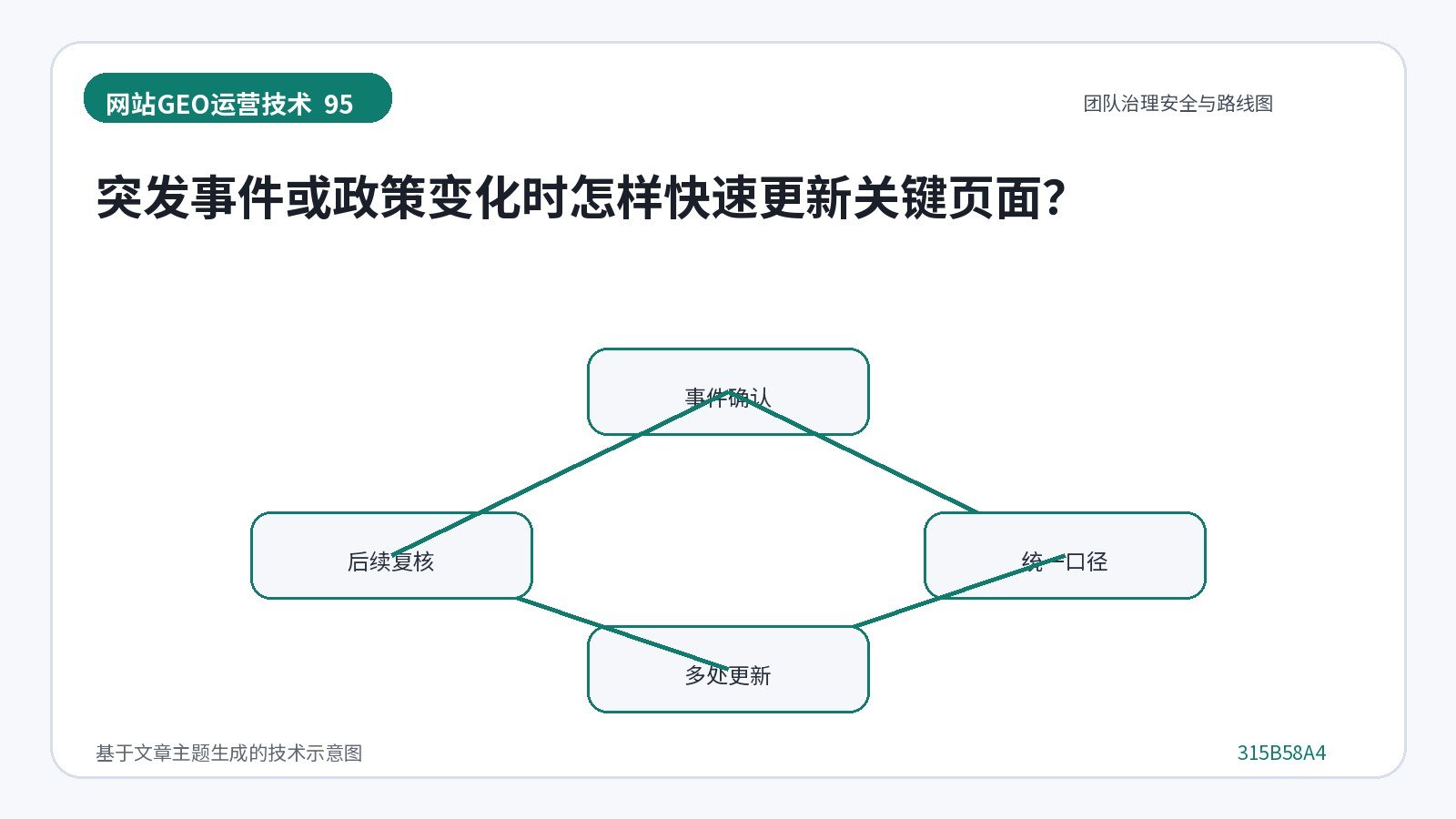
The group can create records using the four columns “Issues-Page-Evidence-Results.” The problem is to quickly update the key pages in case of an emergency or policy change, and to take the task of explaining them. The evidence comes from controlled information, and the results will be judged by reference to accuracy and the next customer.
When you land, the action is written into the CMS and the business process, rather than only in the minutes of the meeting. First, a list of affected pages is created, then the person in charge confirms the common calibre, and then the results are validated and the next review date is set through sync, PDF, FAQ and sales information.
The observation calibration must be fixed.
A common return is not a tool error, but an unconfirmed explanation issued by different teams creates more conflicts. The solution is to anchor key judgements into the release of a checklist and to have the reviewers sign to confirm them. Any unproven conclusion should be changed to a conditional recommendation, and assumptions cannot be written into fact for marketing purposes.