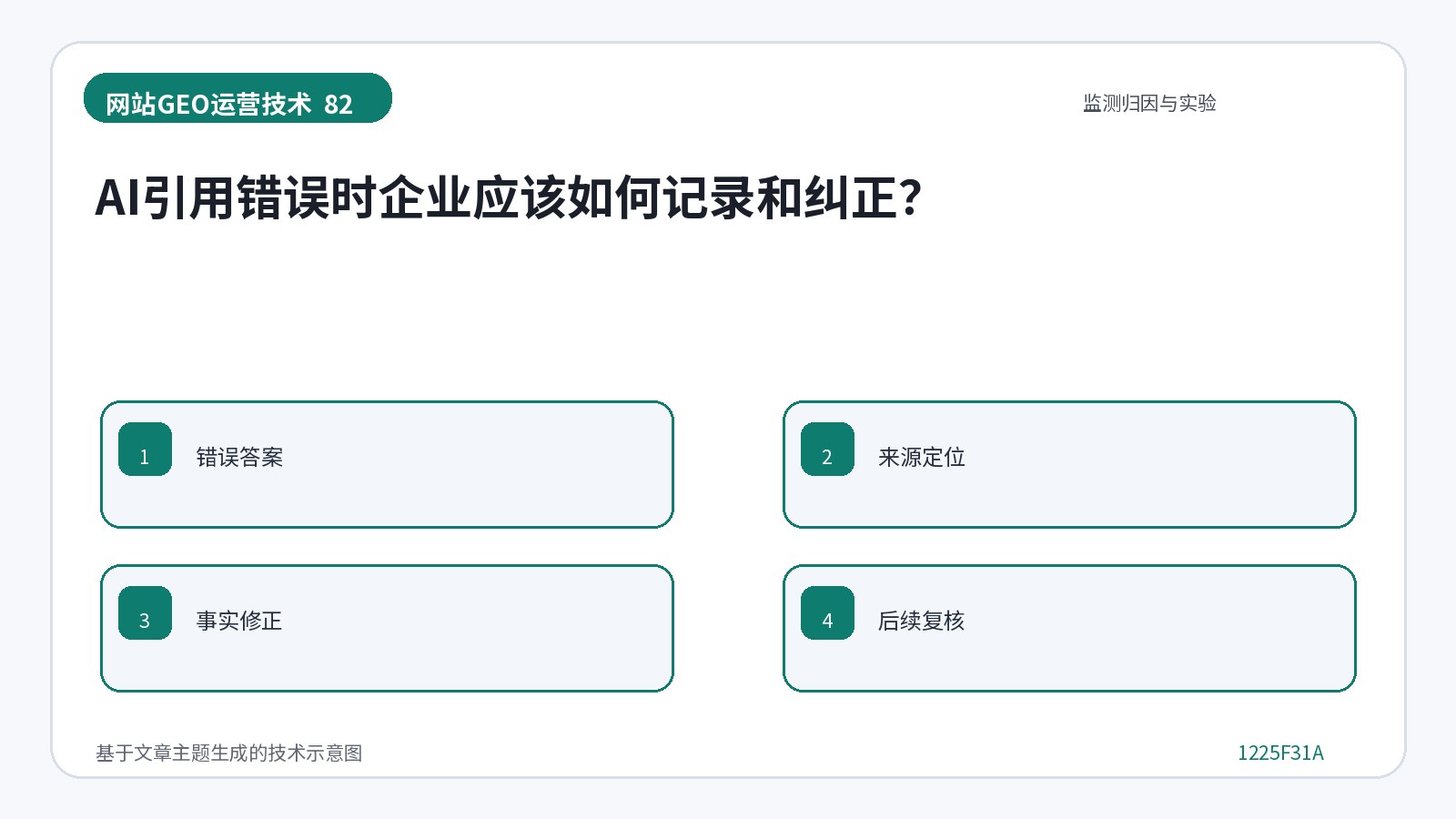
This issue is not suitable for a fixed configuration of all websites, and the right solution depends on the range of page uses, target markets, data sources and businesses that can be maintained for long periods of time. Around “AAI citation errors, how should the enterprise record and correct them?” The first step is to put the business record and correct them back to the full process of “monitoring attribution and experimentation” when AI citation errors are made. When AI citation errors are made, the enterprise cannot directly control all the answers, but can first fix its own sources of fact, then deal with search caches, third-party errors and public statements.
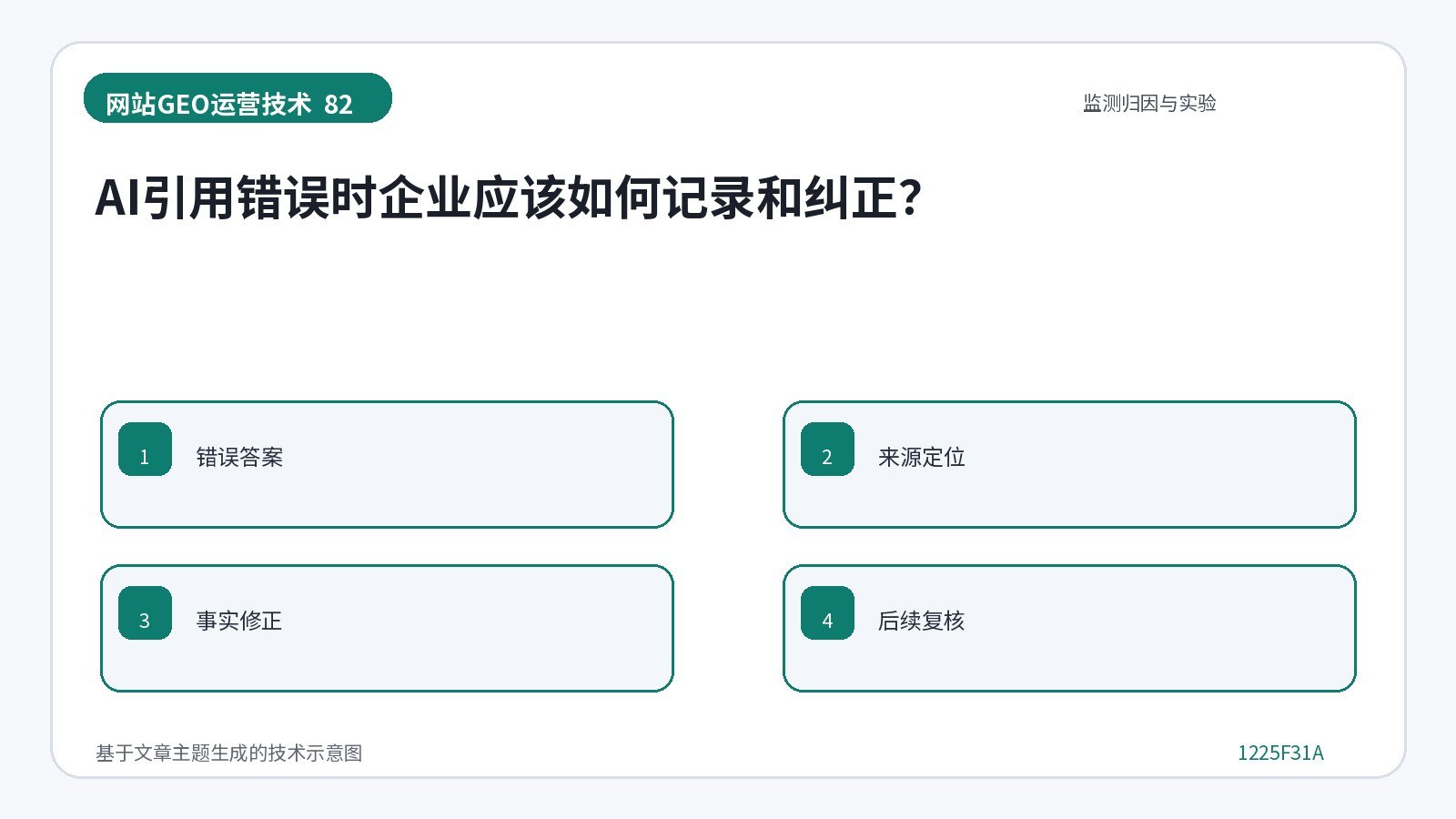
When resources are limited, priority should be given to addressing those elements that block capture, cause conflict of fact or mislead procurement. Visual optimization and extension questions can be done later, not at the same level as high-risk issues.
It is recommended that work be broken down into three paragraphs: preparation, go online and review. The preparation phase completes the confirmation of error from which page, the go online phase implements the updated authoritative page and the version is marked, and the review phase implements requests for updates through Platform feedback or site tools. The previous phase was not adopted, so do not rush to copy more pages in bulk. Once the page is online, two types of questions can be seen: whether the system is getting the right content and whether the user is getting the full condition. The former relies on grabs and structural checks, while the latter is confirmed by reading paths, table fields and sales feedback.
The subject requires data to be created with a manual check. Repeat the same question and check whether the source of the reference has changed.
The most likely deviations on this topic are the issuance of a large number of duplicate pages to counter errors, with the potential to add new conflict messages. Therefore, the conditions of exclusion, the cessation rules and the roll-back are to be written in advance.