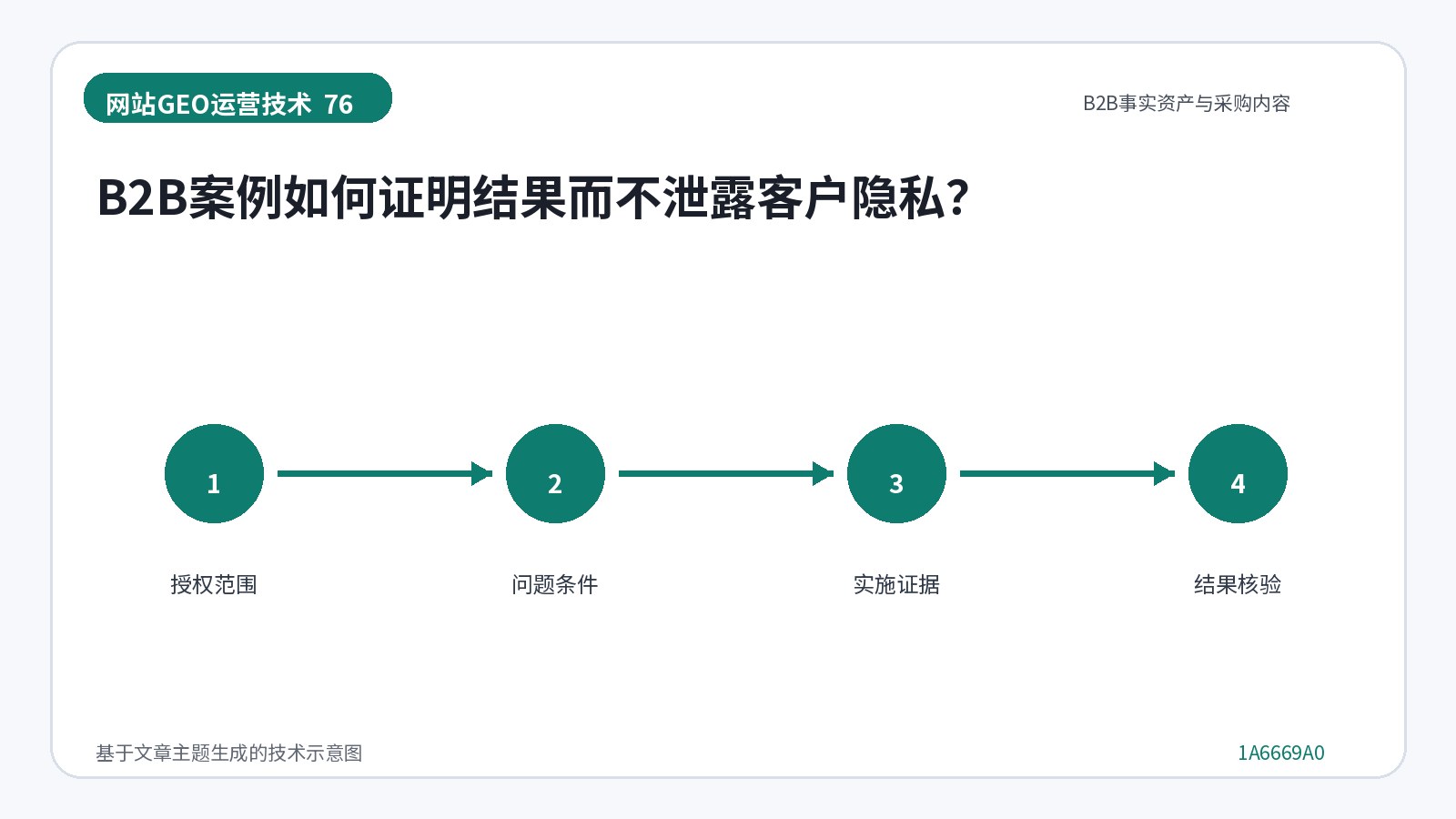
The difficulty with this is not the tool itself, but whether the content, technology and business calibre are the same; the use of old data at any level will allow open facts to conflict. Around “How does the B2B case prove the result without disclosing the client's privacy?” the first step is to put the results of the B2B case back into the complete process of “B2B de facto assets and the procurement content” without disclosing the client's privacy. The B2B case is to preserve questions, conditions, actions and evidence of results while protecting the client's privacy. The anonymous case still requires an internal authorization and original record. This means that the page requires both a clear conclusion for the user and a capturer to obtain the same information and to keep the source, conditions and timing of the update.
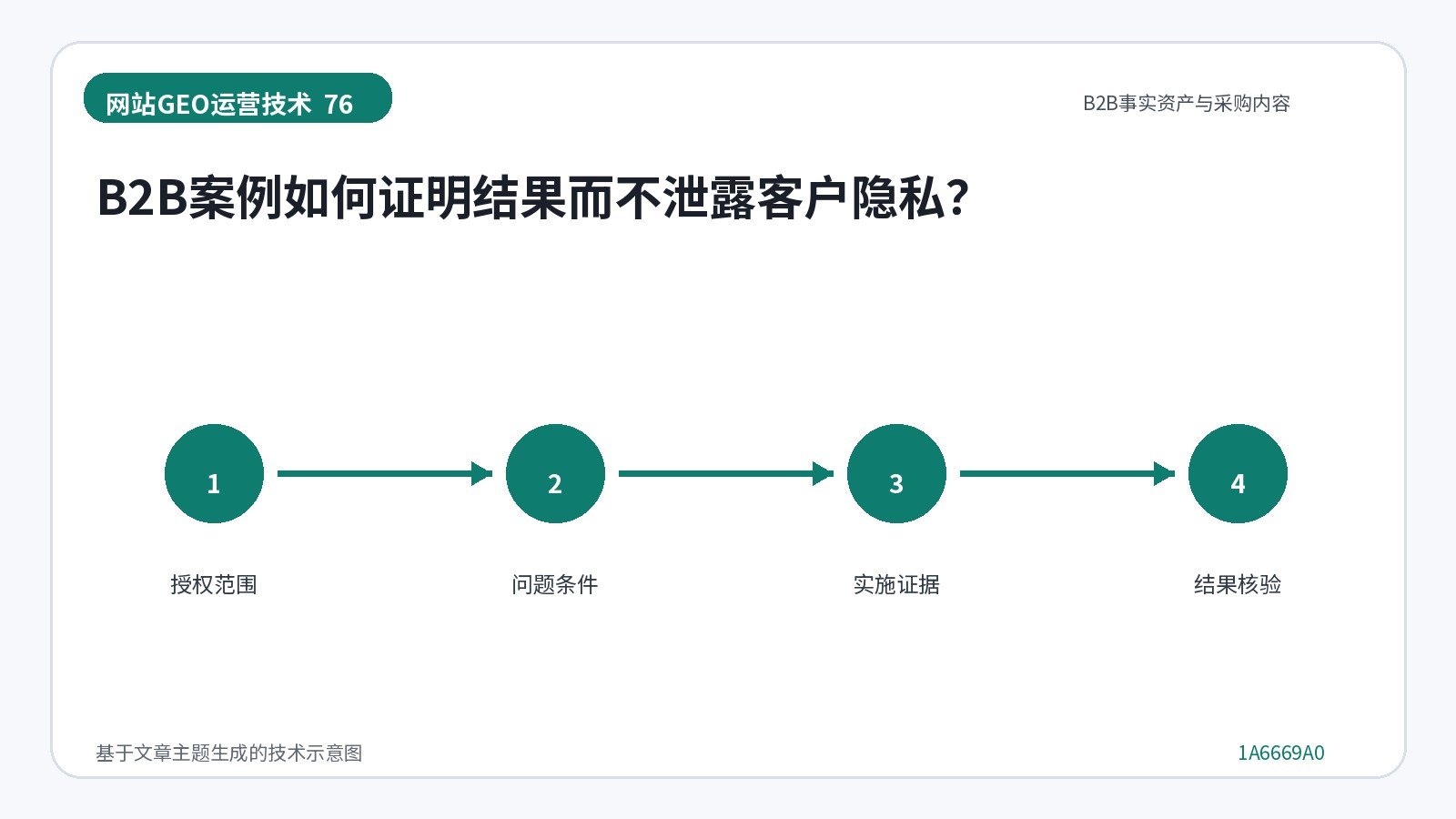
The B2B page takes on the role of the source of the facts of the procurement. The specifications, precision, MOQ, capacity, delivery, certification, testing and case studies must identify the object, condition, date and evidence to avoid the marketing slogan being used as an unconditional fact.
This is done by first confirming the scope of disclosure with the client, confirming that the underlying information does not conflict; then removing sensitive information such as drawings and contacts; and finally retaining verifiable processes and results.
The receipt and inspection do not require a single AI answer. A sample of the source of the data is examined by the sales, technical and compliance staff. The sample questions, time of testing, area, log-in, reference to links and subsequent visits are recorded to distinguish between occasional fluctuations and continuous changes.