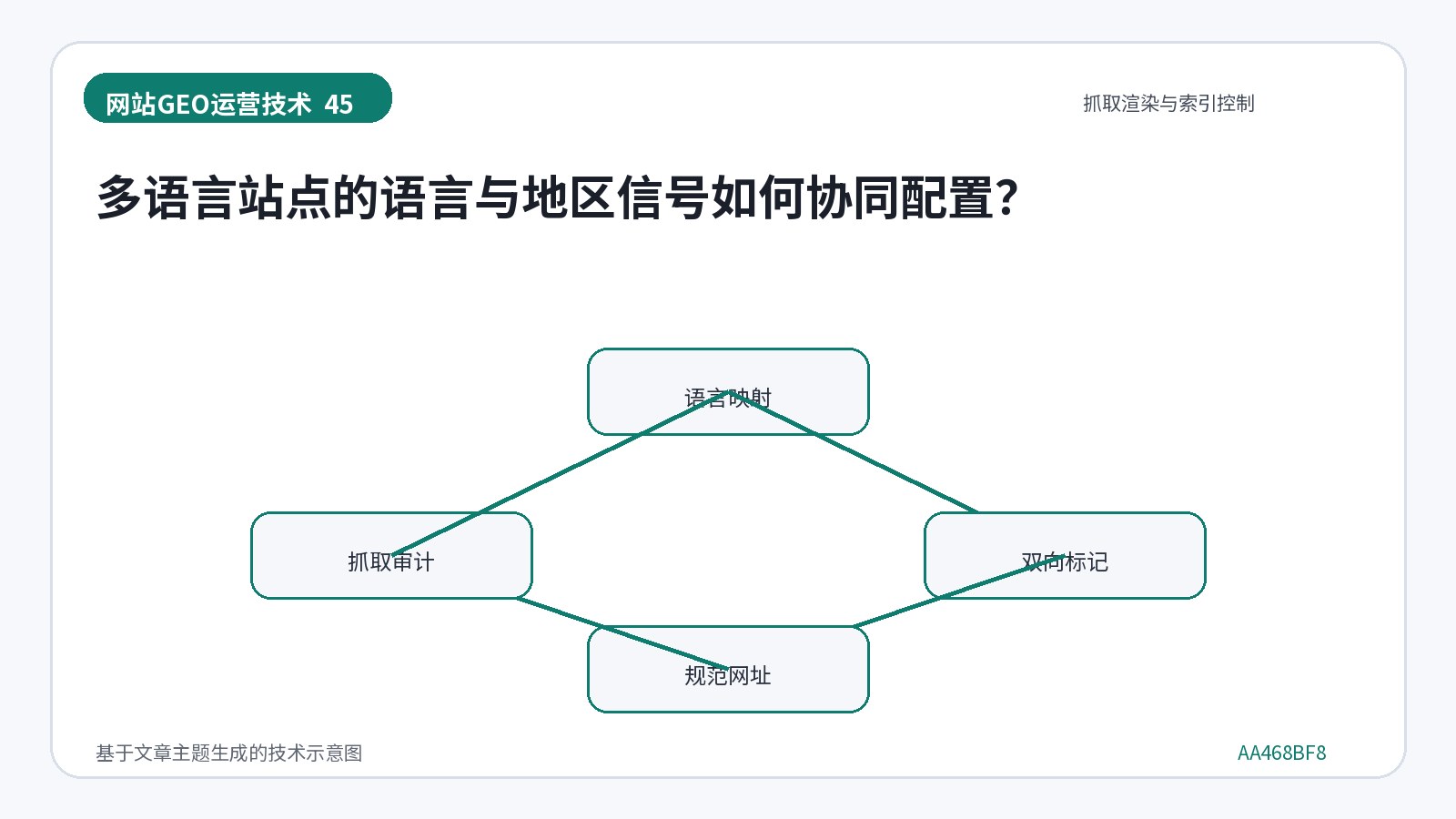
For the B2B site, the real value result is not more than one brand reference, but rather that the purchaser is given precise conditions and access to a traceable query or decision-making path. How can the language and regional signal around a multilingual site be configured in tandem with the local signal?” First, the multilingual site's language and regional signal be configured to be judged in a complete process of “take-out-result and index-control”. hreflang only connects to a language or regional version of the same content, each version of which needs to be quoted and returned; Canonical should normally point to the language regulation page rather than to English. This means that the page is both a clear conclusion for the user and a capturer to obtain the same information and to keep the source, condition and update time.
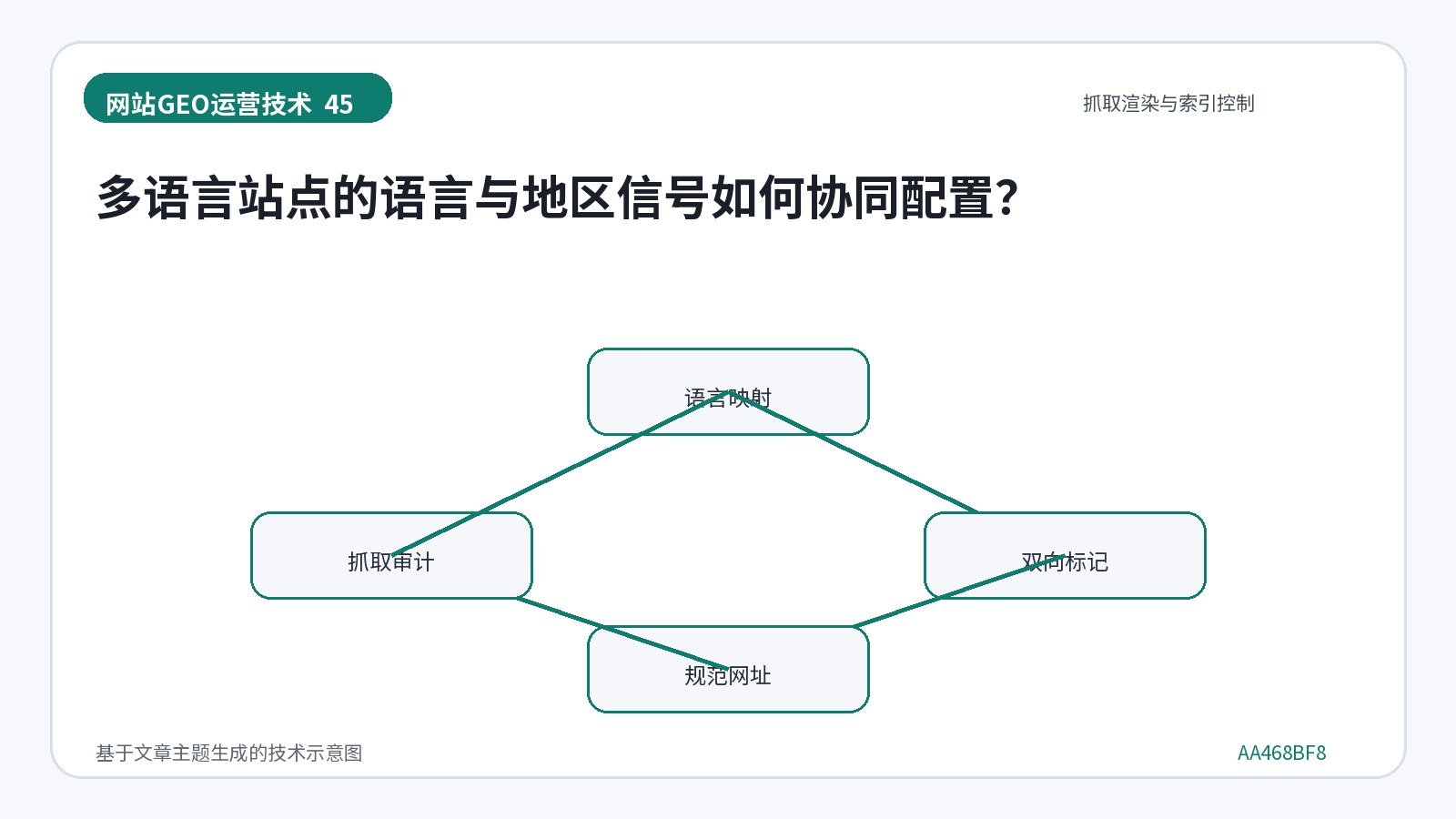
The answer system is not able to use the text it cannot reach in a stable way. The initial HTML, state code, link, regular web site and rendering resources determine whether the page can be found; the technical check must be based on actual capture results, rather than simply looking at the browser. For example, an existing B2B page retains the old version and adjusts only the "Checking Hreflang and state code" to the rest of the text. Create a URL-language map, check the two-way hreflang and state code, then verify and set the next review date by keeping Canonical, Sitimap and internal links.
The viewing calibration must be fixed.
The common return is not a tool set-up error, but a hreflang point to a page that can be merged by Canonical, and the signal is difficult to take effect. The solution is to anchor the key judgement into the release of the checklist and to have the reviewers sign to confirm it. Any unproven conclusion should be changed to a conditional recommendation and no speculation should be written as a fact for marketing purposes.