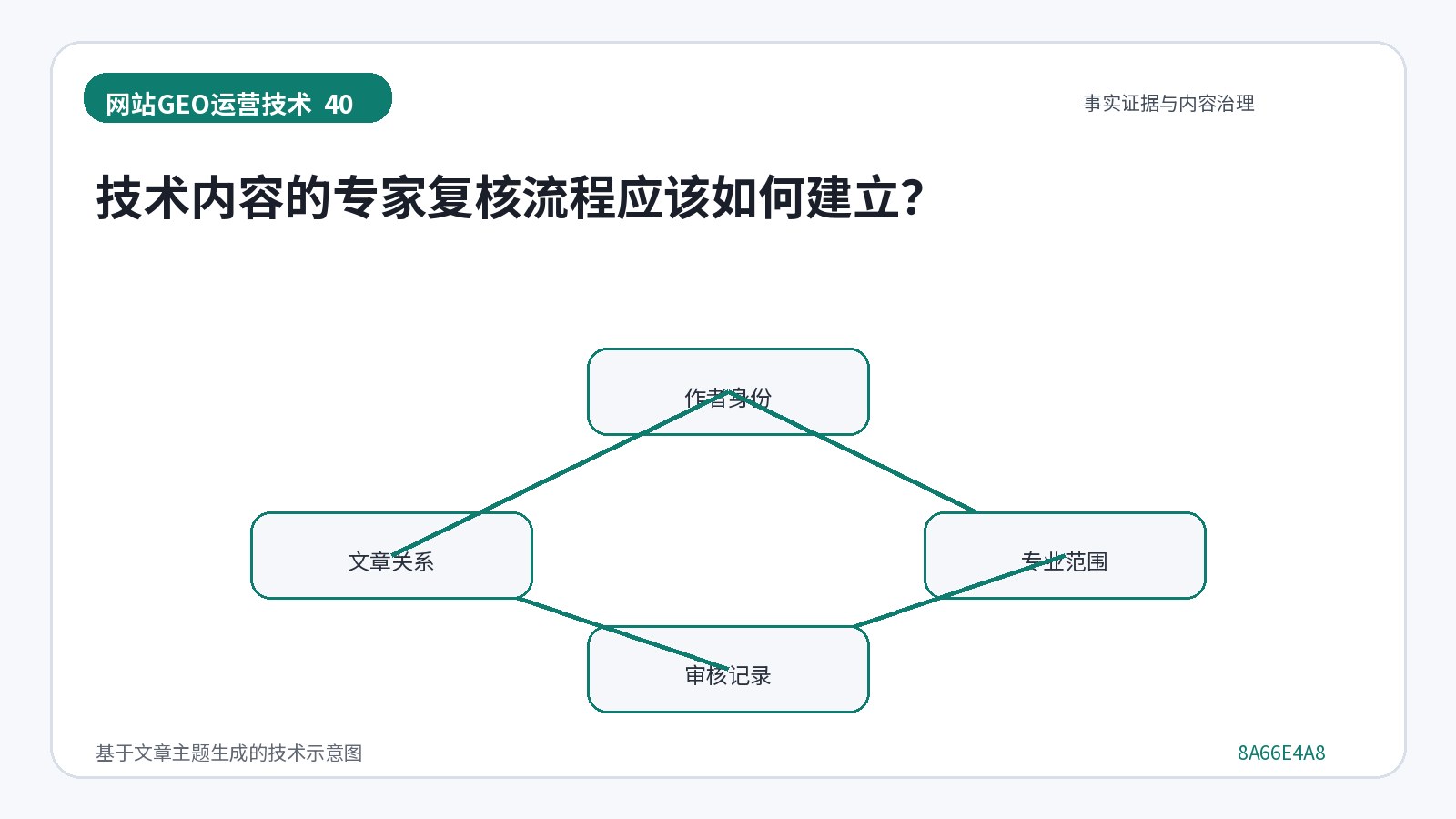
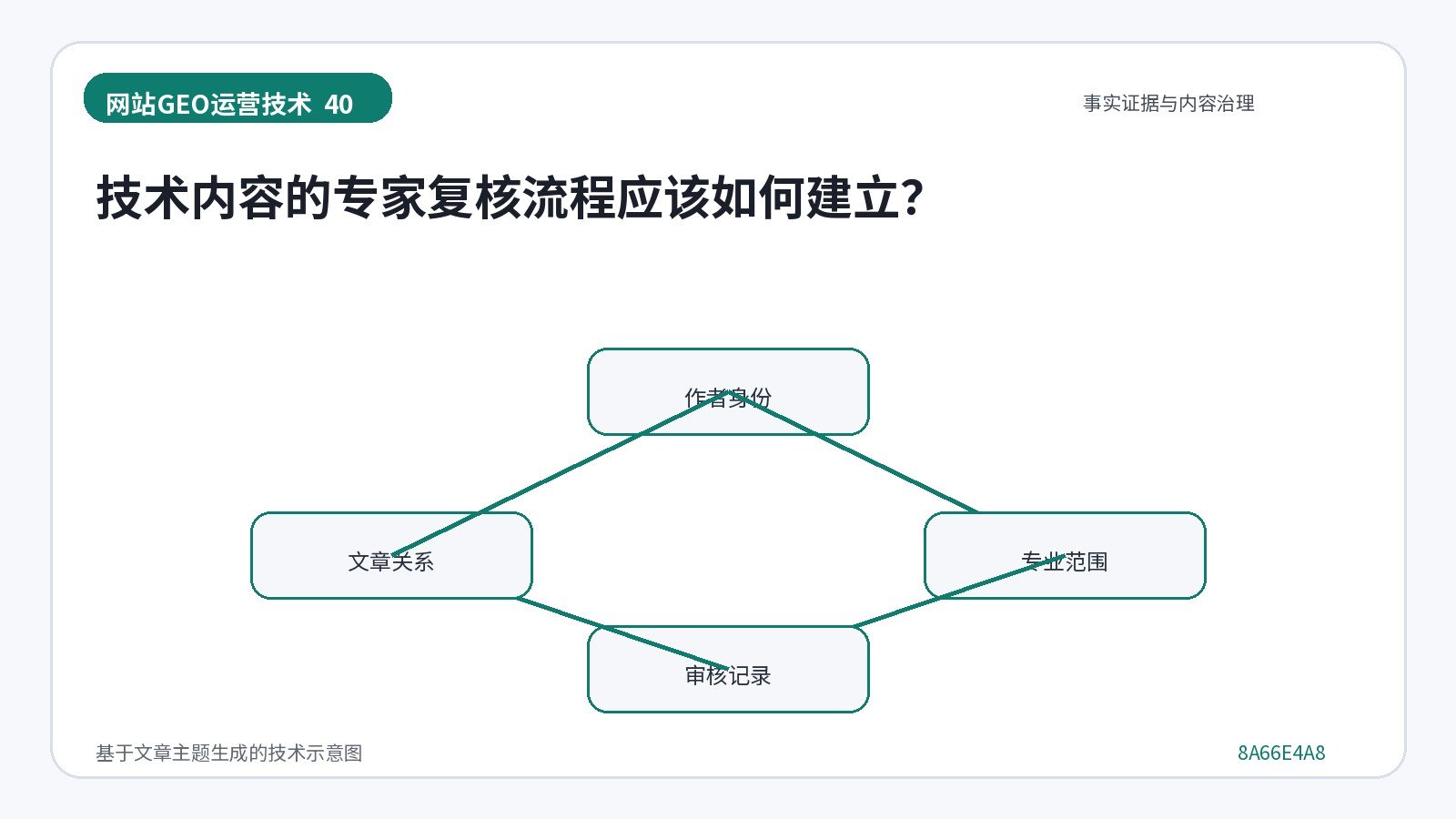
The focus of this paper is not to seek a cut-off of the answer, but to create a technical process that can be repeated and continuously updated. How should the expert review process around the technical content be set up? First, the process of expert review of the technical content be put back to the full process of “factual evidence and content management”. Authors and reviewers' pages should describe the true name, position, professional scope and content of responsibility, consistent with the signature of the article.
Generable searches require that verifiable information be obtained from a public page. Google emphasizes that useful, reliable and user-centred content remains the basis, without requiring the website to be adapted to a special language for AI or ensuring that the use of certain documents or tags is quoted. When resources are limited, priority should be given to addressing those aspects that block capture, create factual conflicts or mislead procurement. Visual optimization and extension questions can be undertaken later, and cannot take on the same priority as high-risk issues.
When you land, you write your actions into the CMS and operations process, not just in the minutes of the meeting. First, you create a stable personal page for the author, then you record your writing and technical clearance duties, and then you check your signature and set the next review date when you update your content.
It is important to check if articles, author pages and organizational relationships are consistent, and see if the review date has expired. The sample is short of a single-day or one-time response, and should not lead to a definitive conclusion on the basis of a single-day or one-time response. A common return to work is not a misset of tools, but rather a fictional expert or a single name for all articles, which weakens the chain of responsibility. The solution is to consolidate the key judgement into the release of the checklist and to have the reviewers sign it.