
For personal SOHO, internal to external factories and mature foreign trade teams, the resource conditions for this problem are different, but the errors are usually the same: the report stops at exposure, likes and fans, and cannot explain whether the content helps customers enter the sales process.So don’t copy your peers’ publishing frequency, audience, or budget just yet.
SOHO should focus its limited time on the most suitable customers and products; when transferring internally to external factories, first complete overseas trust information; and mature teams should unify their marketing and sales caliber.No matter the category, organic flow is determined not only by posting, but also by relationship relevance, review quality, ongoing dialogue, and engagement after content; the number of interactions must be judged along with the target customer identity.Operational goals should all fall into effective dialogue, quotations and business opportunities, rather than stopping at busy data.
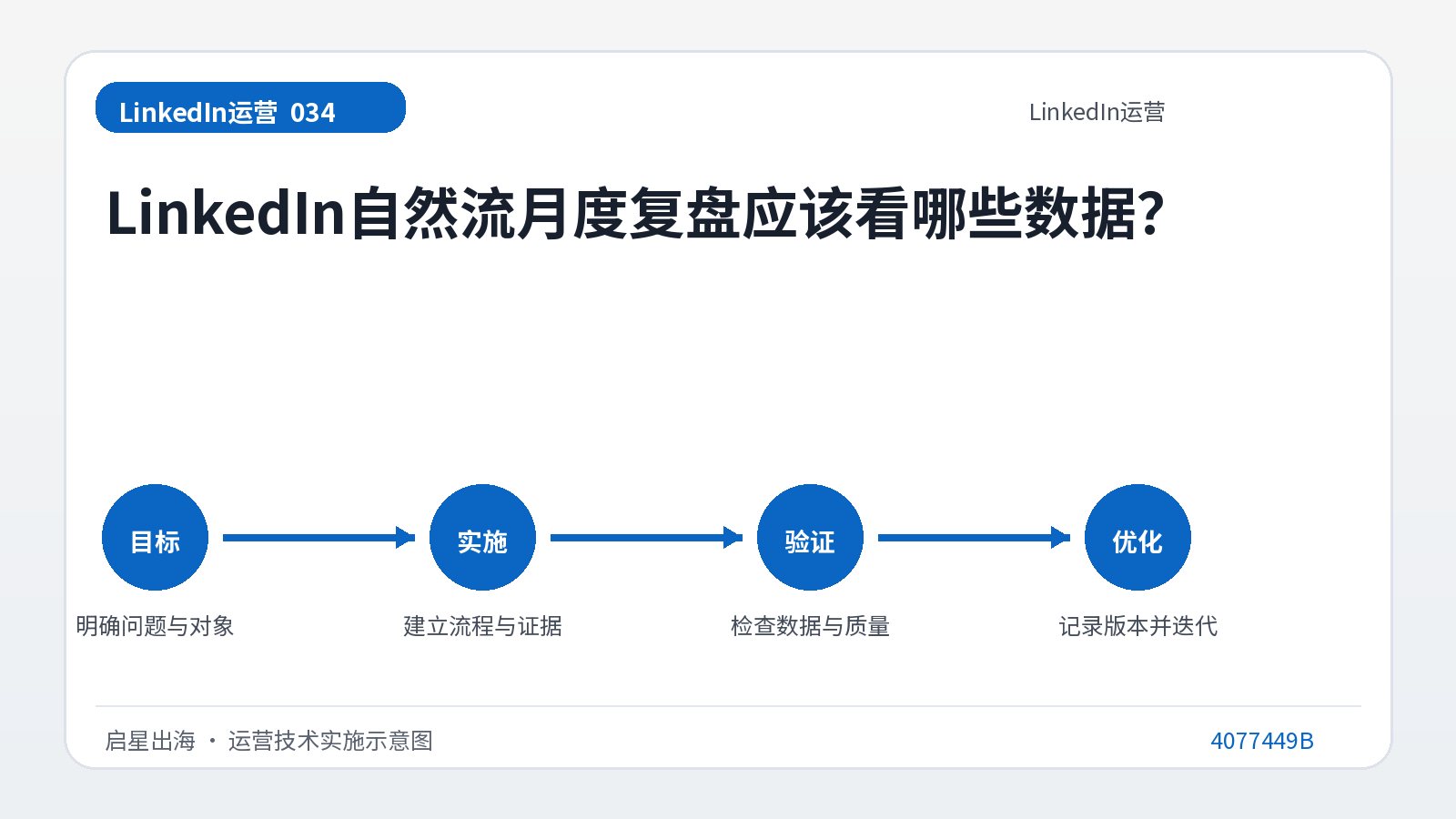
It can be advanced in three steps.The first step is to connect exposure, visits, conversations, effective leads and business opportunities according to the theme, format, target role and procurement stage; the second step is to determine the target role before publishing, and after publishing, promptly respond to high-quality comments, participate in customer topics, record data visits and conversations, and conduct periodic reviews according to themes and groups of people.Complete the undertaking; the third step is to write down hypotheses for each adjustment, such as which types of customers are expected to increase and which indicators will improve.Changes without assumptions cannot form a team experience.
It is recommended to adopt "quantity + quality" for data review.Quantity includes the proportion of target customer interactions, repeat interactors, data visits, search exposure, attention conversions, effective conversations and content-assisted business opportunities; quality verifies the country, company, role, application, quantity and time.In particular, this question should form four conclusions: retain, optimize, stop and test next month.Both sets of data must correspond to the same piece of content, ad, or source.
If there is still no improvement in a continuous observation cycle, you should return to customer positioning and value expression instead of continuing to increase volume.The value of interactive review is to allow the right customers to quickly confirm whether you are suitable, rather than making everyone mildly interested.
When this question is implemented, you can first use a small group of real target accounts to verify: connect exposure, visits, conversations, effective leads and business opportunities by theme, format, target role and procurement stage.After execution, don’t just judge based on your feelings, but form four conclusions: retention, optimization, stop and next month’s test; at the same time, save the customer identity, version, date and subsequent sales results to avoid mistaking accidental replies for replicable methods.



