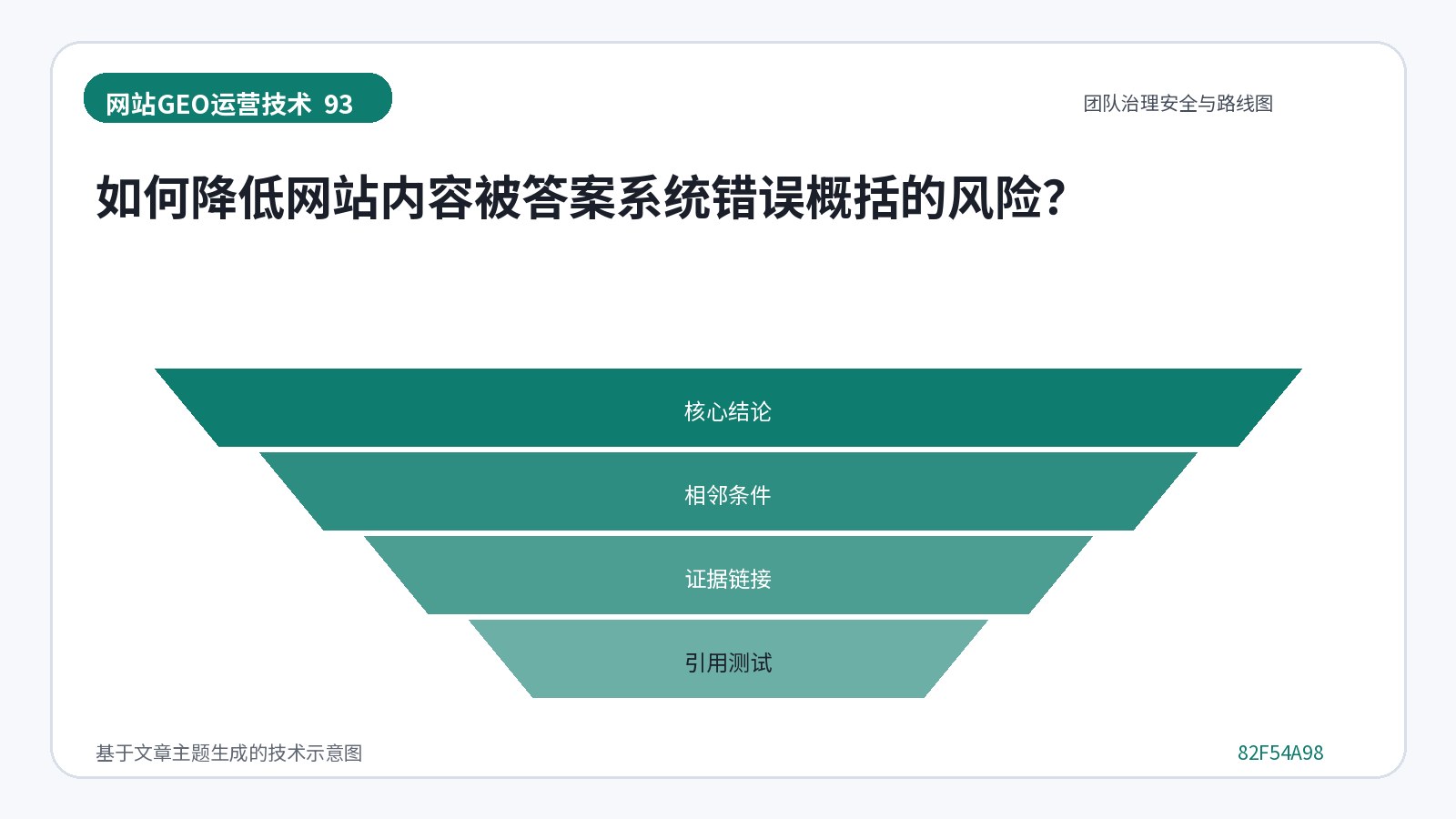
The key to reducing the error summary is to place the subject, conditions, limitations, and time close to the conclusion and to avoid obfuscation. The key figures should be linked to the unit and evidence. This means that the page needs to be clear to the user, as well as to allow the grabper to obtain the same information and keep the source, condition and update time.
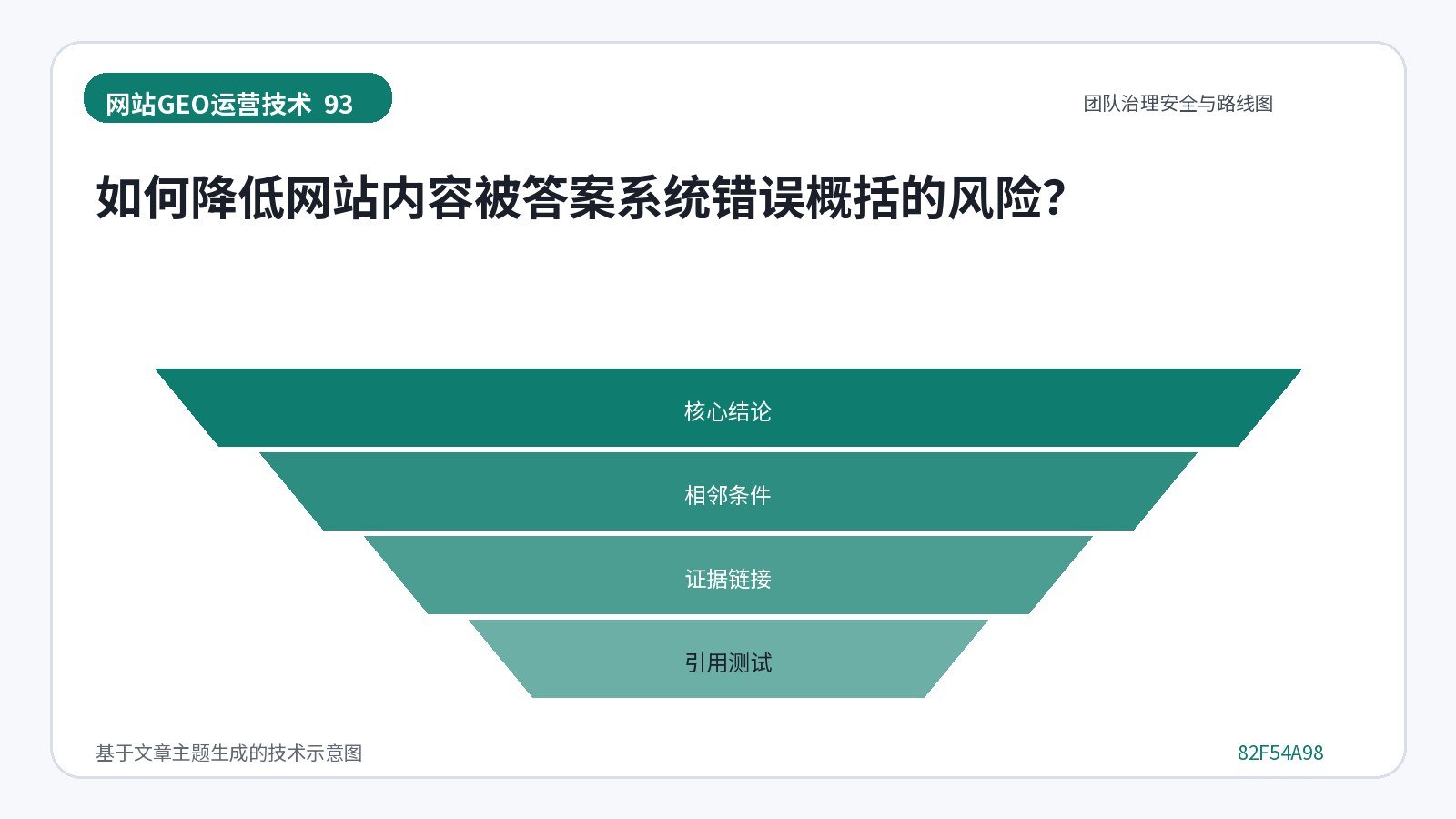
If the same fact appears on the web page, PDF and structured data, a primary data source should be assigned. The main data source should be created or reminded to update the other version, so that three are not manually maintained by different people. A high-value page can be selected to pilot it: a review of the possible departure from the context can be completed and the baseline maintained, followed by additional limitations to the conclusion, and a full cycle should be observed, and a fixed question test should be accurately quoted to form an accessible checklist.
It is recommended that a comparison of changes be established.
If there is a conflict or a citation error after execution, the most recent version should be checked. Put the limit at the end of the page, and the reference clips may only be transposed to the absolute terms of the previous one. Do not continue to expand the number of pages until the source is found. When official rules or product functions change, the definitive expression in the article should be updated and the SEO title, description, Schema and download information rechecked.