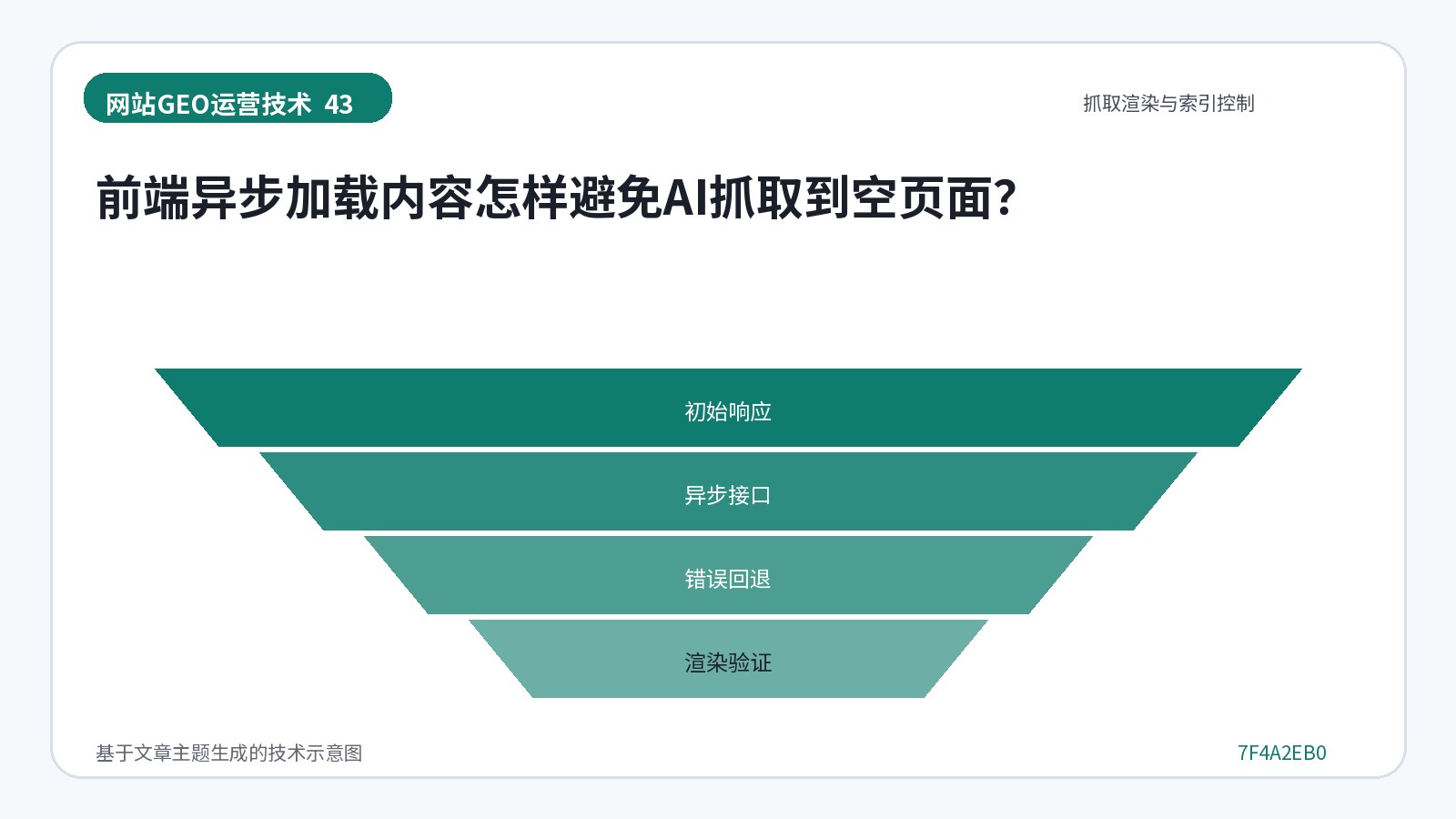
Whether this technology is worth doing is not just going to see whether the setup is complete, but whether the content is captured, understood, verified and correctly connected to the business entity. How can the AAI grab to an empty page be avoided by loading the contents around a front-end walk? First, the AIE should be loaded to avoid the empty page being captured by the AIS in a complete process of capture render and index control. The reptiles may only see a loading hint if the error request fails, overtime, or if they need to log in. The key facts should appear in an open initial response, and the non-critical interaction should be enhanced. This means that the page must be clear to the user and allow the grabper to obtain the same information and keep the source, condition and update time.
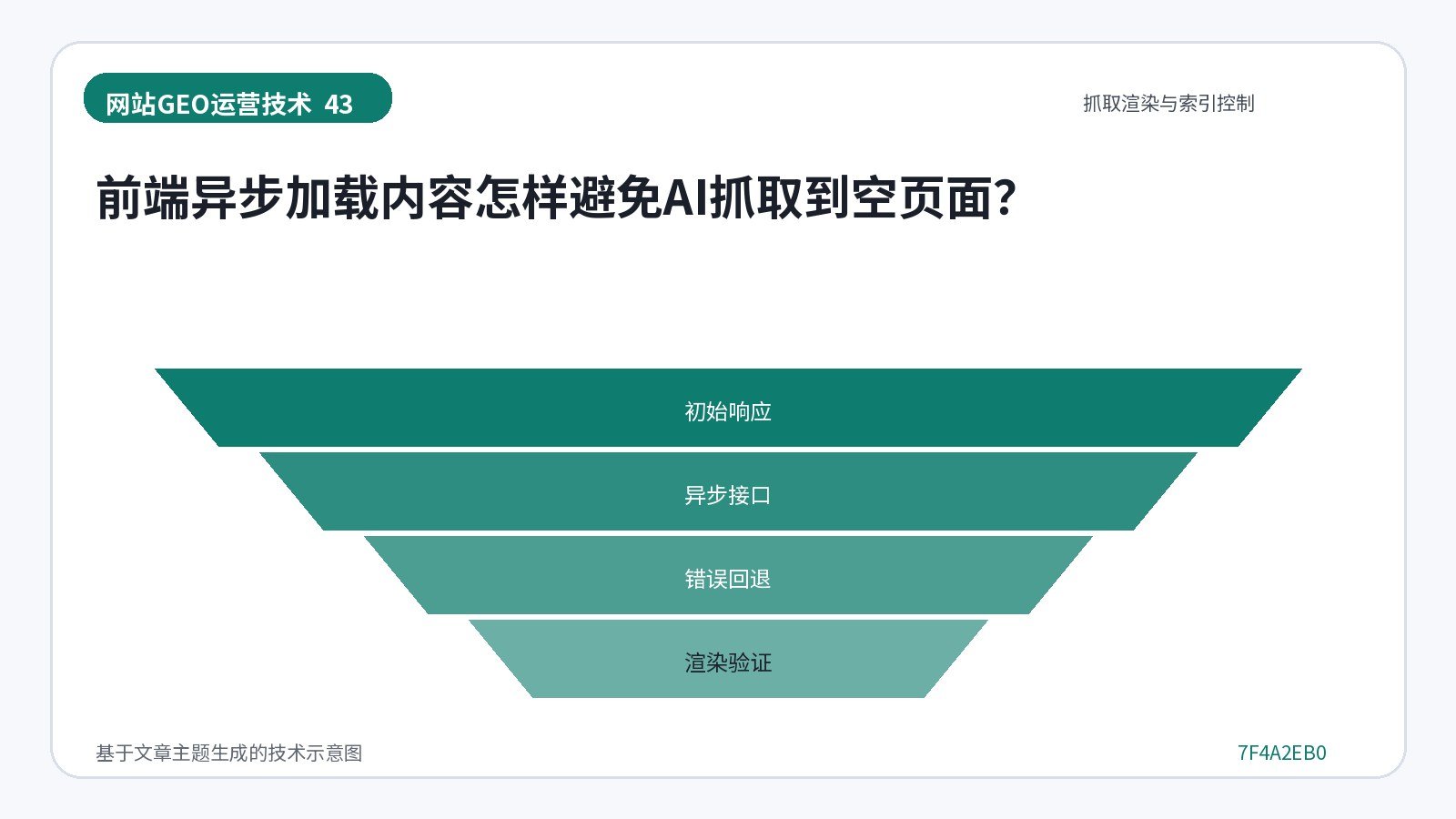
The answer system is not able to use the text it cannot reach in a stable way. The initial HTML, the state code, the link, the normative web site and the rendering resources determine whether the page can be found; the technical check must be based on actual capture results, rather than simply looking at the browser display. The two types of questions can be seen on the page first: whether the system has the correct content and whether the user has the complete condition. The former relies on capture and structural checks, while the latter is confirmed by reading paths, table fields and sales feedback.
You can start with a high-value page to pilot: you can save the baseline after you have completed the key interface on the page, then do simulation script failure and slow network, observe a full cycle, and eventually provide a readable back-to-back form for the error.
It is recommended to create a pre- and post-modification comparison. Checks for replicating HTML, interface status, resource blockage, and different equipment performance. First round confirms that the technology is being implemented correctly, second round looks at continuous trends, and then assesses the impact on the Query and quotes.
If there is a conflict or a citation error after execution, check the latest version. Put the core text on a scroll or click before requesting it, which reduces the stability of the discovery. Do not continue to expand the number of pages until the source is found. When official rules or product functions change, update the definitive expression in the article and recheck the SEO title, description, Schema and downloading data.