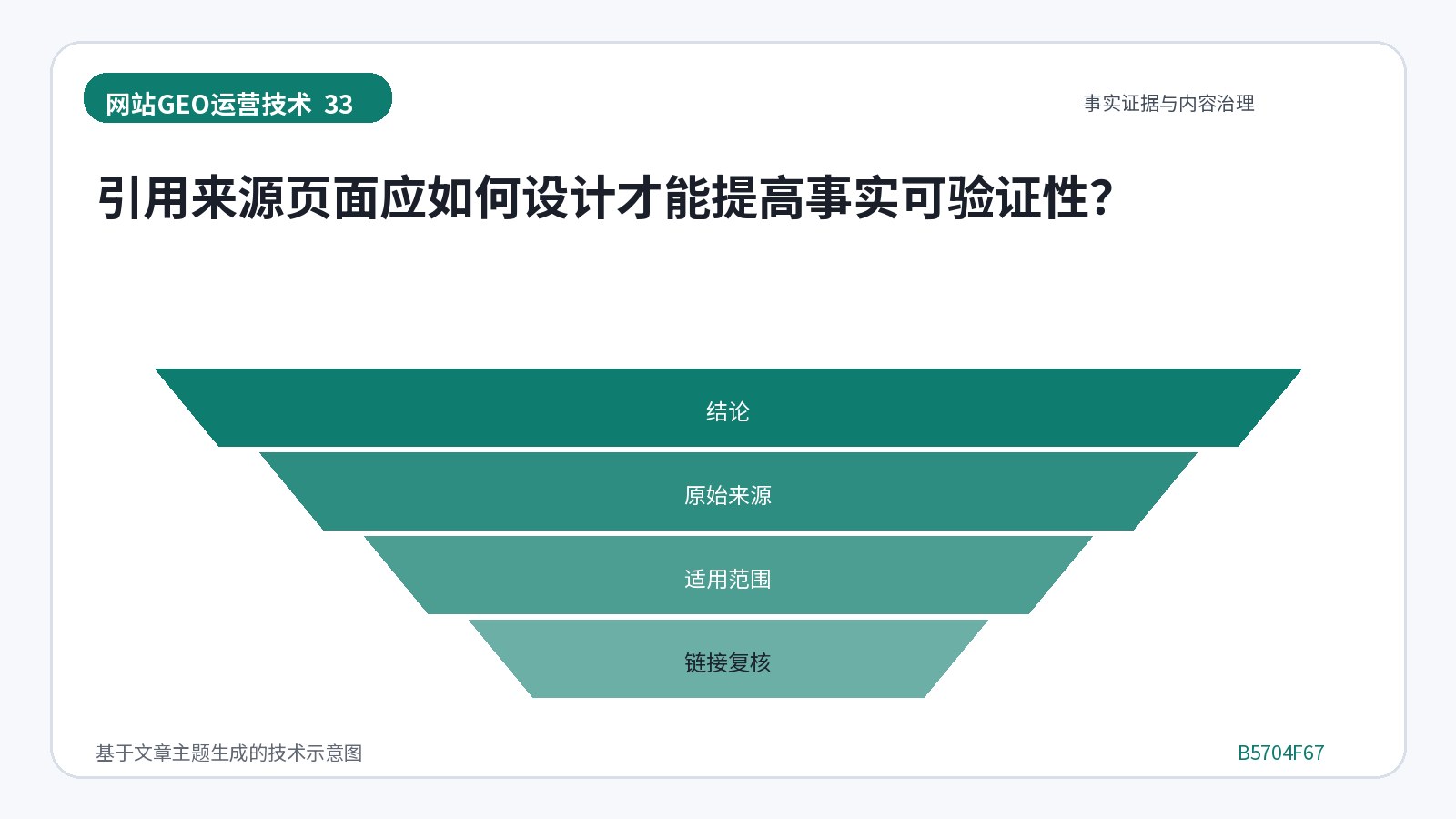
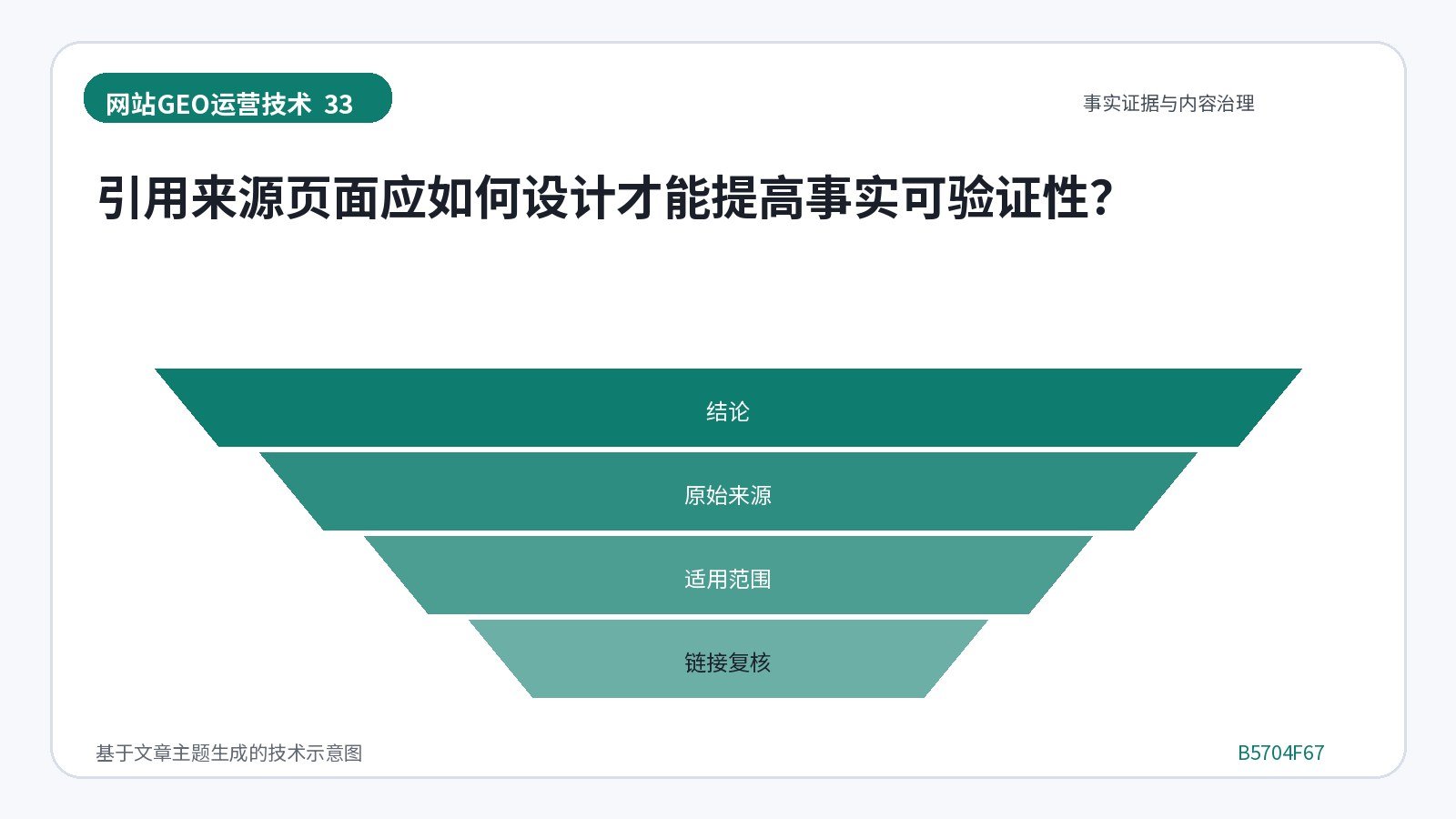
The source page allows readers to quickly confirm the issuer, the original data, the date of release, the scope of application and the method. The enterprise should link the external information to the page closest to the original conclusion, not to the search results or to a secondary replica. This means that the page is intended to give users a clear conclusion, but also to allow the grabper to obtain the same information and keep the source, conditions and time of update.
When resources are limited, priority should be given to the parts that block capture, conflict of fact or misleading procurement. Visualization and extension questions can be done later, and cannot take on the same priority as high-risk issues. A high-value page can be selected to pilot: priority is given to the official source and the baseline is maintained, then the reference is placed close to the relevant conclusion, a full cycle is observed, and a periodic check of links and versions leads to a contactable checklist.
It is recommended that a comparison be established. A random selection of the conclusions is made to confirm that the link directly supports the statement and does not go beyond the original language. The first round confirms that the technology is being implemented correctly, the second round looks at continuous trends, and the full sales cycle is followed by an assessment of the impact on the queries and offers.
If there is a conflict or an error in reference after execution, the latest version should be checked first. Only a set of links at the end of the text, without specifying what they support, reduces the validity. Do not continue to expand the number of pages until the source is found. When official rules or product functions change, the definitive expression in the article is updated and the SEO title, description, Schema and download data are rechecked.