
Preface: 66 completed technical articles and review records, as well as photographs, drawings and test materials that are publicly available at the plant.
This is a task: to match the technical arguments with authorized photographs and charts that illustrate the problem.
Objective and readiness
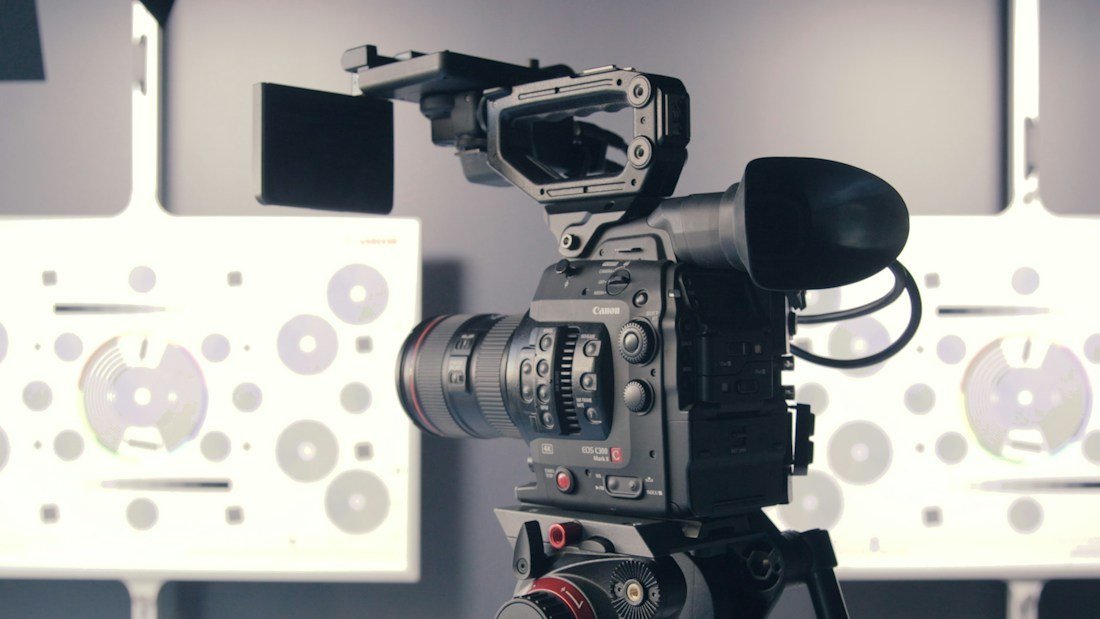
Read the body of the review, mark the operational steps, structural differences, and parameters, and determine whether the photograph is suitable for the photograph, the chart, or the text description. The photo displays the real look and the scene, and the exact relationship should be based on a data-based chart, which does not allow the picture to bear the conclusions it cannot prove.
Create a list of materials, including the number of the material, the corresponding paragraph, the description of the purpose, the date of the photograph or production, the source, the public permission and the examiner.
Method of operation
The list is structured around the details of the procurement interest, such as whether the sample is visible at the same time as the number, whether the packaging label is clear and whether the object of the operation is complete.
The table should explain whether the object can be directly compared and the flowchart must be consistent with the actual process. A curve cannot be created to look professional without the test information; the hypothetical process can only be clearly marked as a teaching sign and the actual factory record cannot be faked with the production of a picture.
Apply examples
Using the sample review article for the work clothes as an example, you can take a sample and opinion record with a paragraph number, hide undisclosed information such as the customer’s name. The diagram shows how the photo shows the check, rather than claiming that a client has approved a volume order.
When you enter a web page, you output the appropriate picture at a physical scale, and then compress it on the desktop and mobile phone. Document size is not the only goal, and the label cannot be readable by over-compression. Clear versions of the necessary details can be provided, with corresponding descriptions kept in the body; photo filenames are linked to media records, and affected articles can be found in subsequent replacements.
Outputs and acceptances
The acceptance asks if the material helps the reader to understand the text and then check the rights and technical accuracy. Cover the drawings and see if the object can be identified and recapitulate the drawings to check whether there is an overinterpretation. The chart needs to confirm that the data are consistent with the text, that the photographs do not mix the different conditions into a record, that the invalid or unverifiable information does not enter the release.
The list of material, the original basis and the version used on the web page are eventually kept and records items that need to be taken or reviewed in the future. Each chart is clearly linked to the body of the text, and editors and technicians can trace the information.