
On the surface this is a customer search problem, but in fact it reflects whether the customer acquisition funnel is complete.The most common breakpoint is: only saving the name and link, causing the salesperson to not know why to choose and what scene to start with.It will be much more efficient to locate the breakpoint first and then select the tool.
Customer behavior can be divided into four levels: seeing, believing, acting, and qualifying.See dependency-related topics and distribution, believe in dependence cases and evidence, have a clear entrance to action dependencies, and filter by qualified dependency conditions.The efficiency of active development is first determined by the ideal customer profile and the quality of the target account. Precise search is not a pile of product keywords, but a combination of industry, region, scale, application, position and business signals.If any layer is missing, subsequent conversions will be significantly reduced.
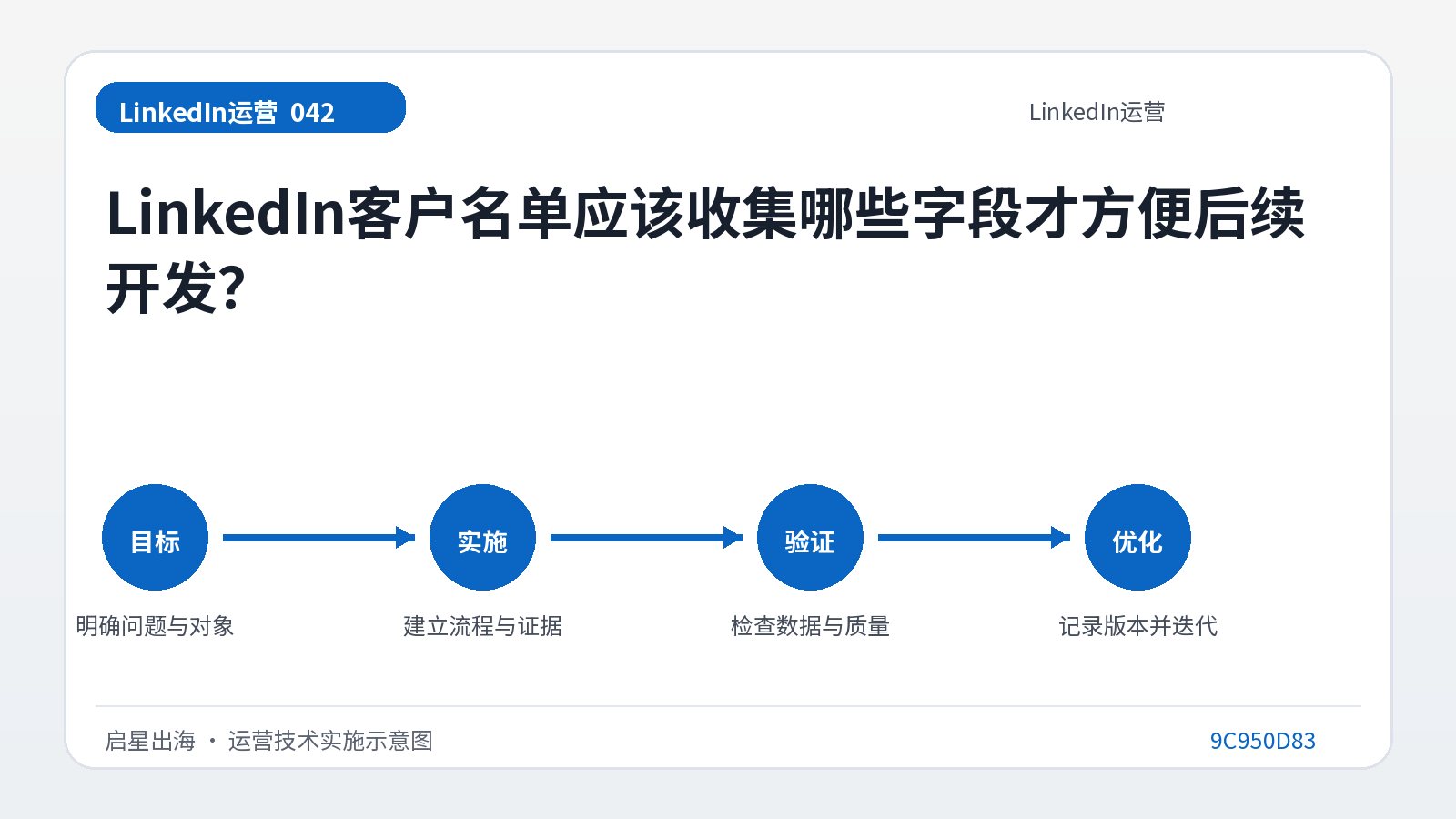
For this question, first record at least the company, country, industry, size, role, matching reason, business signal, source, person in charge and next step.Then define the ICP and exclusions first, then create the target company list, decision-making role map, search formula and verification fields, and save and review them in batches in Sales Navigator or basic search.Check whether the front and back pages are consistent with the sales pitch.It is recommended to keep a change log: modification time, content, reason, expected impact, actual results and next steps to prevent the team from repeated trial and error.
When judging whether it is effective, we should not only count the target company matching rate, decision-making role coverage, effective list rate, data access, response rate, and dialogue into demand confirmation, but also check whether the interactors or clues are from the target country, whether there is a real company, and whether they belong to purchasing or decision-making roles.Specifically check list availability and first-touch lead time.
If the front-end number increases but the efficiency decreases, it means that the attraction is enhanced but the screening becomes weaker; if the front-end number is stable but the efficiency increases, it is often a healthier improvement.Ultimately, proactive development is based on business opportunity evaluation with quotations and sustainable follow-up, rather than drawing conclusions based on single-day results.
When implementing this question, you can first use a small group of real target accounts to verify: at least record the company, country, industry, size, role, matching reason, business signal, source, person in charge and next step.After execution, don’t just judge by your gut, but check the list availability and first contact lead time; at the same time, save the customer identity, version, date and subsequent sales results to avoid mistaking accidental responses for replicable methods.



