
Someone in the Facebook comment section only asks about the price. How should I reply?
POST

Someone in the Facebook comment section only asks about the price. How should I reply?

Qixing Global analyzes the common reasons why someone in the Facebook comment area only asks about price, how to respond, the troubleshooting sequence, implementation methods and core indicators, helping individual SOHOs, internal to external factories and foreign trade teams to improve Facebook's natural customer acquisition and effective inquiry quality.The main problem is often that publicly directly quoting a single price may ignore specifications, quantities, trade terms and destinations, and can also cause the conversation to stop at a comparison prematurely.

Someone in the Facebook comment section only asks about the price. How should I reply?

For individual SOHOs, inward-to-outward factories, and mature foreign trade teams, the resource conditions for this issue are different, but the mistakes are usually the same: openly and directly quoting a single price may ignore specifications, quantity, trade terms, and destination, and may also cause the conversation to stop at price comparison prematurely.So don’t copy your peers’ publishing frequency, audience, or budget just yet.

SOHO should focus its limited time on the most suitable customers and products; when transferring internally to external factories, first complete overseas trust information; and mature teams should unify their marketing and sales caliber.No matter which category, natural distribution relies on content relevance, relationships and real interactions. B2B accounts need to proactively enter discussions in customers' industries, rather than waiting after publishing.Operational goals should all fall into effective dialogue, quotations and business opportunities, rather than stopping at busy data.

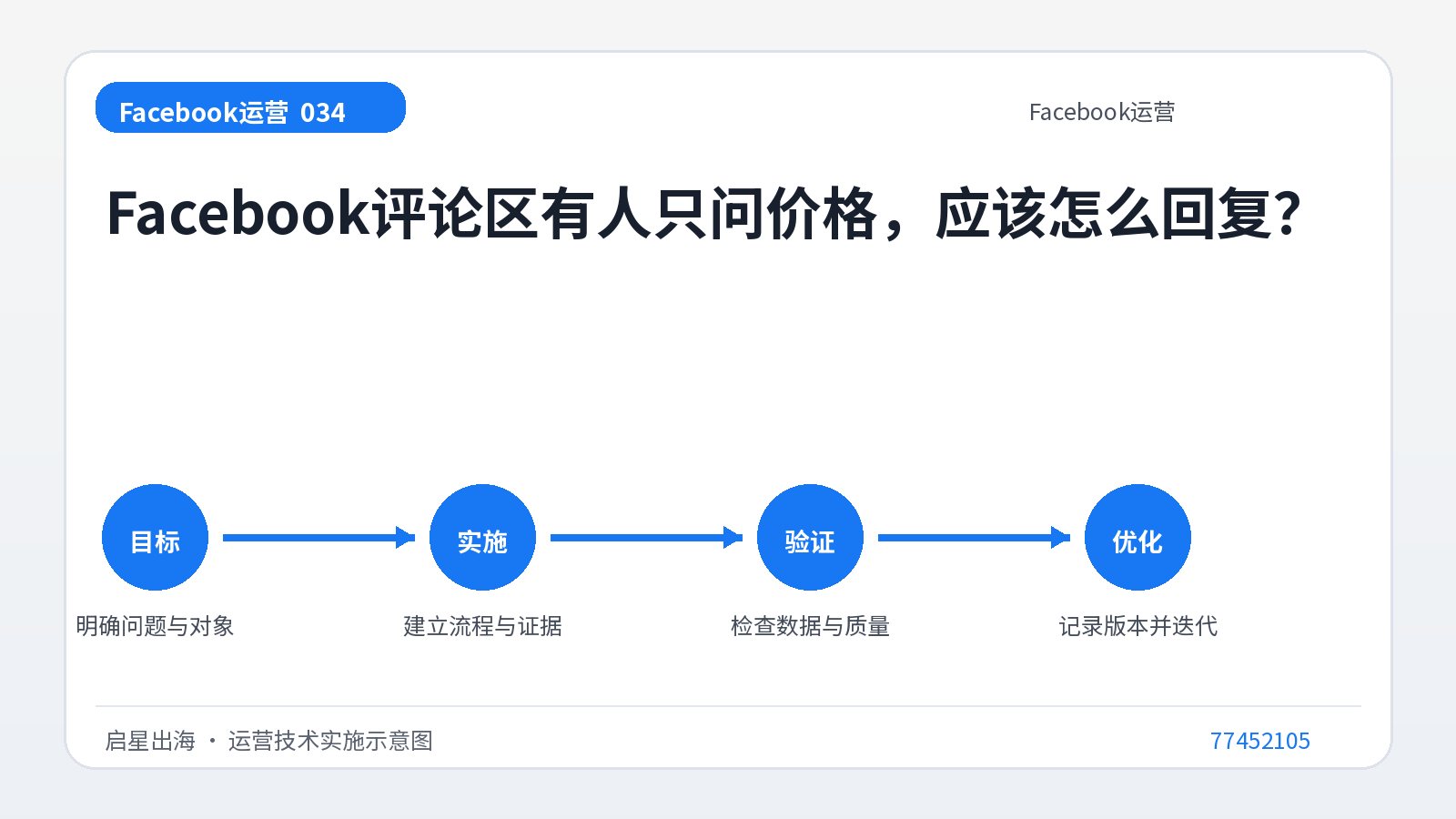
It can be advanced in three steps.The first step is to confirm the application, specifications, quantity and destination port, give the key factors that affect the price, and then invite the other party to send a private message or submit an inquiry; the second step is to determine the target group and interaction entrance before publishing, and after publishing, promptly reply to comments, participate in groups, contact high-intent interactors, and convert valuable discussions into follow-up content.Complete the undertaking; the third step is to write down hypotheses for each adjustment, such as which types of customers are expected to increase and which indicators will improve.Changes without assumptions cannot form a team experience.

It is recommended to adopt "quantity + quality" for data review.Quantity includes the proportion of target customer interactions, comment quality, group contributions, homepage visits, private message conversations and the number of repeated interactions; quality verifies the country, company, role, application, quantity and time.In particular, this question should record the proportion of price comments that turn into complete demands.Both sets of data must correspond to the same piece of content, ad, or source.

If there is still no improvement in a continuous observation cycle, you should return to customer positioning and value expression instead of continuing to increase volume.The value of interactive distribution is to get the right customers to confirm your suitability more quickly, rather than getting everyone mildly interested.


Related content

The organic reach of Facebook posts is getting lower and lower. How should I check?

Qixing Global analyzes the common reasons why the natural reach of Facebook posts is getting lower and lower, how to troubleshoot, the troubleshooting order, implementation methods and core indicators, helping individual SOHOs, internal to external factories and foreign trade teams to improve Facebook's natural customer acquisition and effective inquiry quality.The main problem is often that the decline in reach may come from topic selection fatigue, audience mismatch, weak material, insufficient interaction or changes in publishing rhythm. It cannot just be.

Read more →

Facebook posts have likes but no target customers, what’s the problem?

Qixing Global analyzes Facebook posts that have likes but no target customers, the common causes of the problem, the troubleshooting sequence, implementation methods and core indicators, helping individual SOHOs, internal to external factories and foreign trade teams to improve Facebook's natural customer acquisition and effective inquiry quality.The main problem is often that interactions may come from peers, employees, low-interest areas, or general interest groups, and quantity does not represent business value.

Read more →

After posting a Facebook post, should company employees focus on likes and comments?

Qixing Global analyzes the common reasons why corporate employees should like and comment after publishing a Facebook post, as well as the order of investigation, implementation methods and core indicators, and helps individual SOHOs, internal to external factories and foreign trade teams improve the quality of natural Facebook customer acquisition and effective inquiries.The main issue is often that real employee engagement provides early interaction, but copying the same comments or mechanically focused operations can appear unnatural.

Read more →

