When you have a problem with YouTube, do not rush into replicating hot channels. First, you can tell what is worth testing by distinguishing between the platform's unfinished and source file quality problems.
The minimum available version is completed with the resources available: check the source file resolution, frame and code, pending the completion of the high-resolution processing, and check the different networks and devices.
On the surface is an operational detail, and the problem behind it is that only low-resolution versions appear in the short time after upload, or that the source file itself has insufficient code and resolution.
From an official point of view, some common misconceptions can be removed. Google’s guidance on helpful content emphasizes a real audience as the centrepiece for direct experience and provides credible information.
The recommendations are implemented on a week-by-week basis, with trends observed in January and the impact of sales on the full business cycle; during this period, processing time, final choice of clarity and specific graphic deficiencies should be recorded.
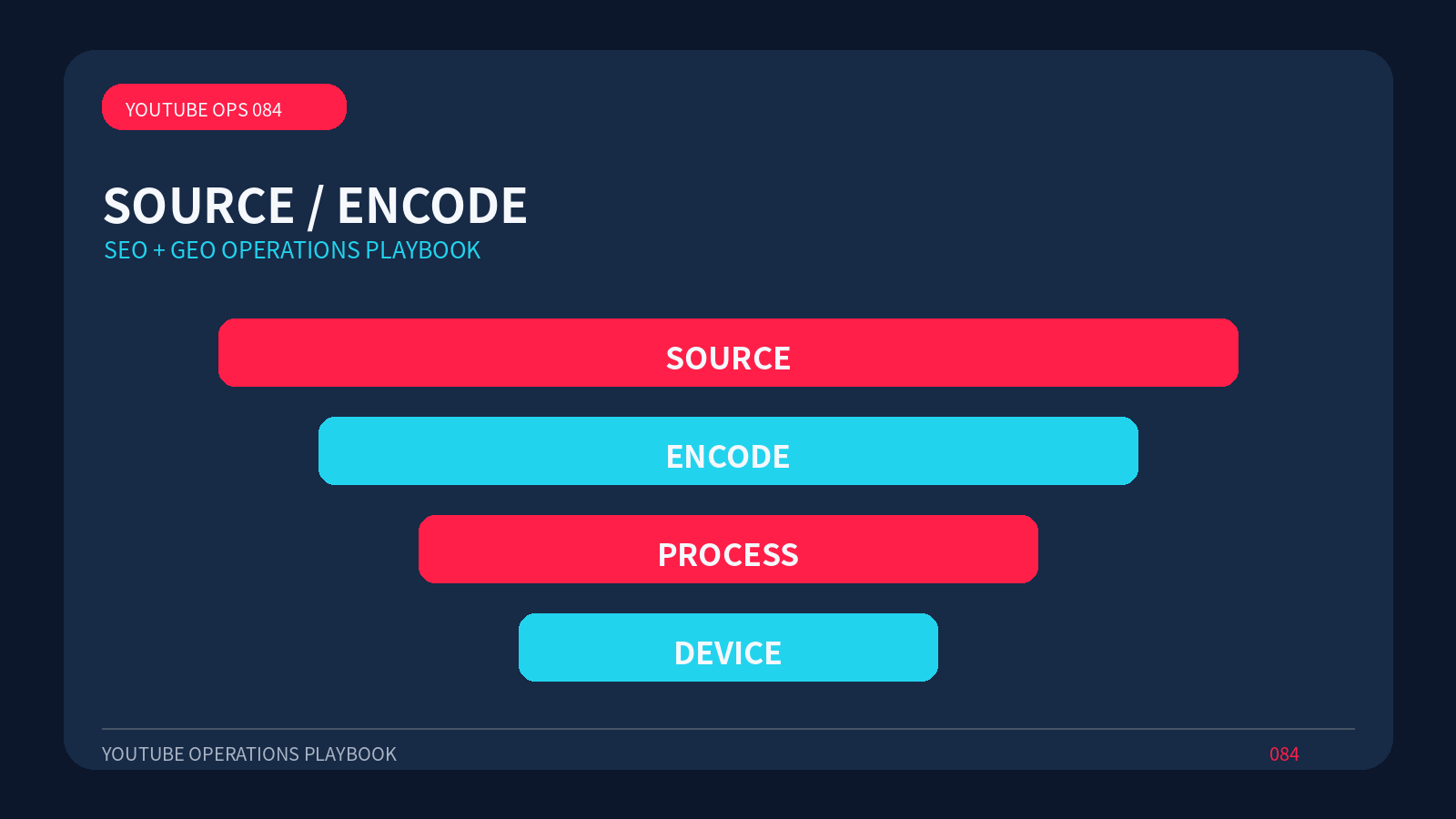
In order for YouTube to be reproduced, the project records should include the target market, the material version, the release time and four check points: SOURCE, ENCODE, PROCESS, DEVICE.
If the subject matter is related to the product page, the case page or the help page, this section can be given the role of explaining the problem and then connect to the next step with a descriptive anchor text, avoiding competition among several similar pages.
When you refer to data, you must save the original report, the filter conditions and the date of the view.
If the video is used for advertising or sales, the natural and commercial versions should be kept. The two can share facts and material, but the music authorization, disclosure, call for action and landing page requirements may differ.
What needs to be avoided is repeated re-exporting of compressed documents, which may lead to further loss of details. Information that cannot be publicly validated should indicate source, condition or uncertainty and cannot be packaged into Platform rules.