
In case of a YouTube link tracking problem, do not rush to copy a hot channel. The link should use a stable drop-out page and consistent named tracking parameters, and maintain privacy boundaries to know which practices are worth testing.
The task can be broken down into three nodes for preparation, publication and review. The preparation phase starts with setting UTM rules for channels, videos and events, testing jump-and-move-end pages, recording changes in links; and then checking the actual displays and links.
If the problem is simply classified as a good or bad algorithm, one fact is missing: multiple same short chains do not distinguish between videos, locations and sources of activity. Platform data must be explained with content versions and user feedback.
From an official point of view, some common misunderstandings can be removed. YouTube provides different reports on exposure, traffic sources, viewers, viewers, and income.
The acceptance and inspection criteria should preferably be completed prior to publication: check the session, transformation and unusual origin in the analysis system, and do not force the equivalent of platform hits to website sessions.
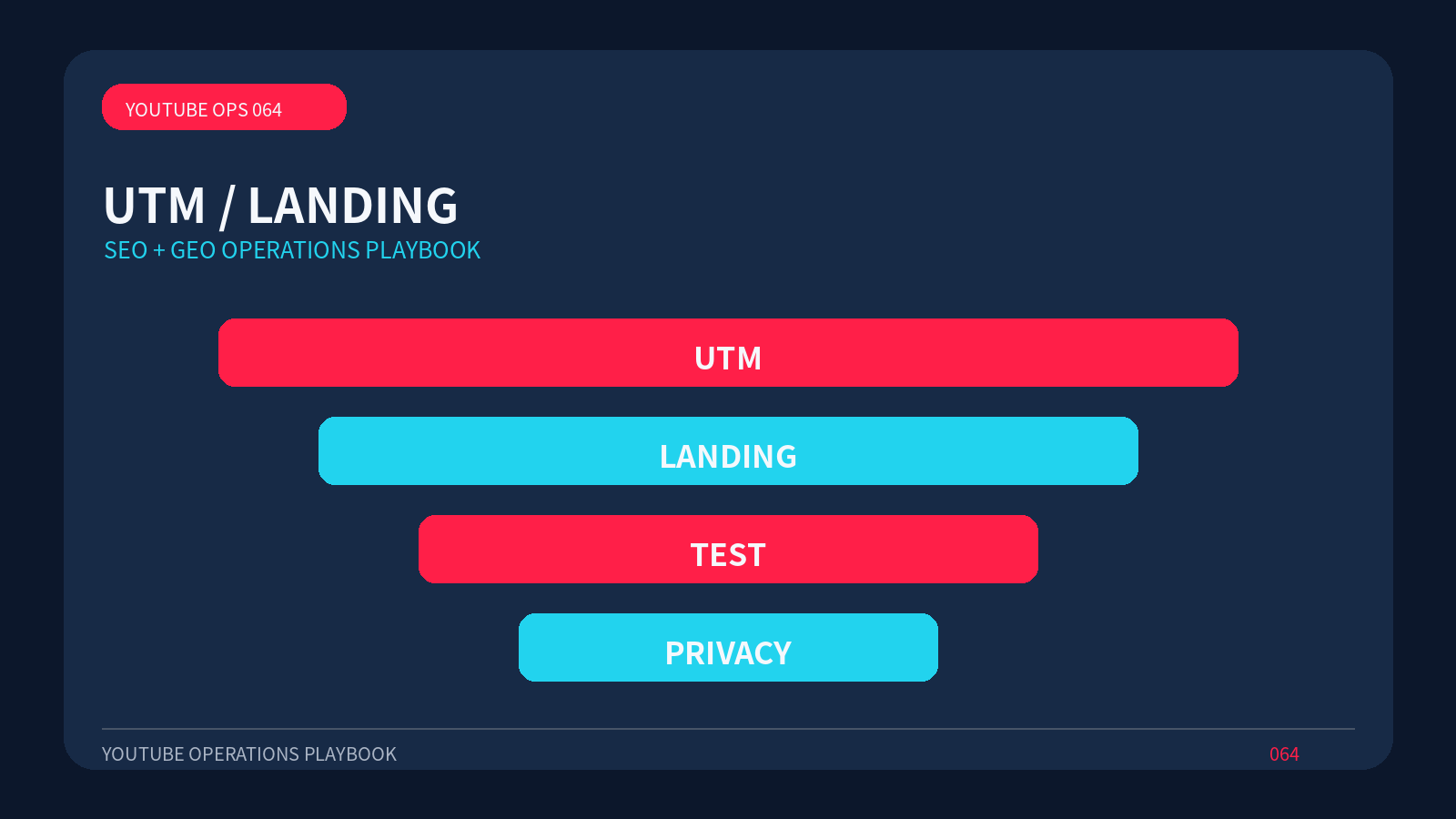
In order for the YouTube link to be retraced, the project record should include the target market, the material version, the release time and four check points: UTM, LANDING, TEST, PRIVACY.
In order for the search engine and the AI system to understand it accurately, the video could be organized into a stand-alone web page, which would correct the entities and numbers in the text and complement official sources, author information, photoalt and related inner links.
The result, contrary to expectations, is to check for visibility, permissions, material versions, date ranges and links before discussing algorithms or selections. Many anomalies come from basic configurations.
Commenting on the original text reveals how the user describes the problem. The next article can follow the true expression, but the removal of personal data cannot be considered a general conclusion.
Once it is found that “short chain failure, excessive re-direction or tracking the release of sensitive information affects data”, the original version, the impact range and the repair action should be recorded, rather than simply deleting the content without a basis for a reset.