This issue is often used as an interface technique, but the test is business and audience.
If the problem is simply classified as a good or bad algorithm, one fact is missing: all videos directly demand a quote, leaving the early audience without a reasonable next step. Platform data must be explained with content versions and user feedback.
Google’s guidance on helpful content emphasizes a real audience, direct experience and credible information. Search optimization cannot replace actual value by batch rewrite and keyword repetition.
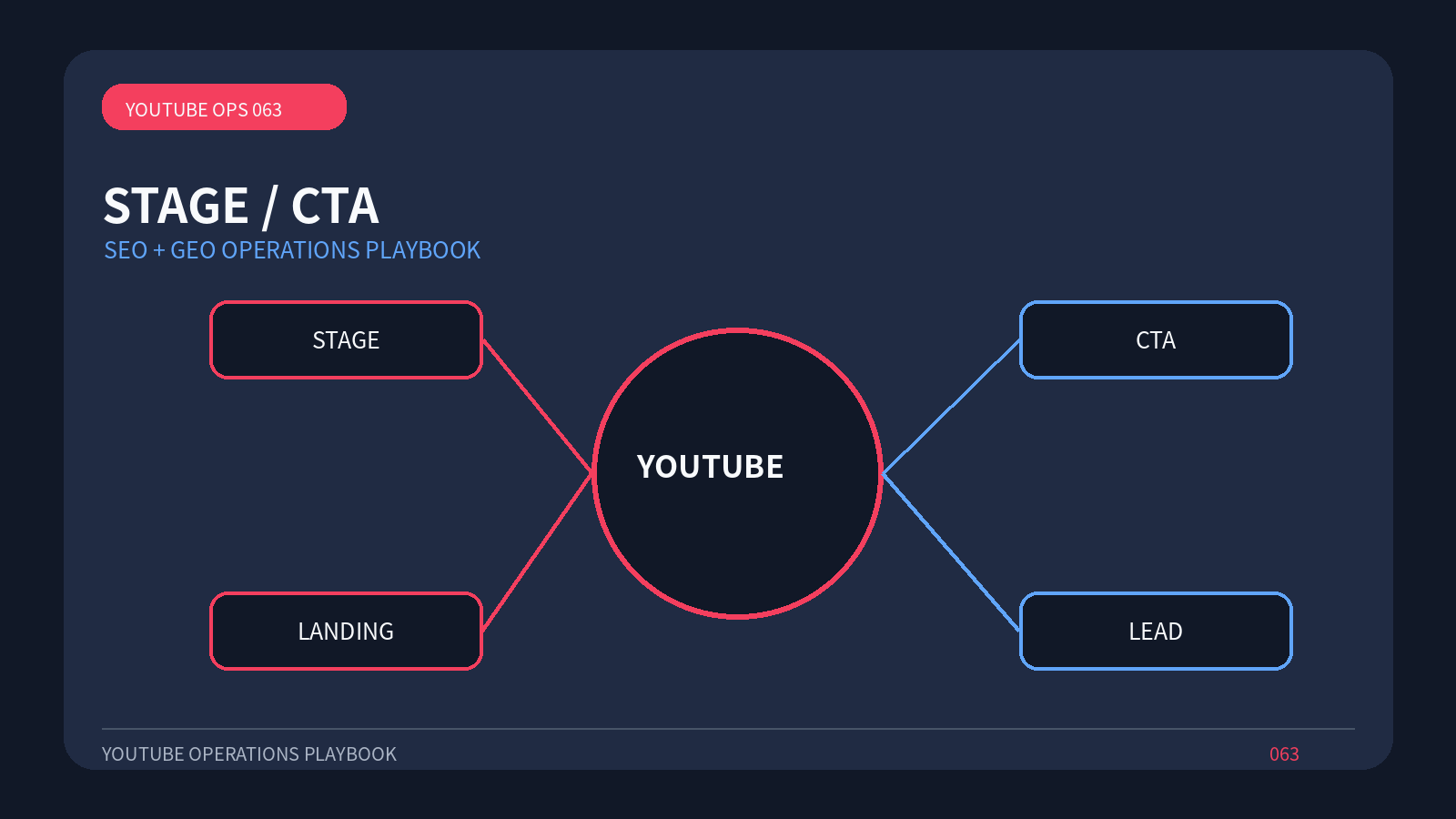
When you land, it is recommended that you do a small sample: an introductory content connection guide, a comparison of content connection cases and specifications, and an appointment or request for quotations.
Videos, subtitles and web pages should have a consistent entity name, but do not need to be copied word for word.
The effects are judged by following the link clicks, data completion, valid queries and sales stages, rather than by a mere list.
It ultimately answers two specific questions: whether to “track link clicks, data completion, valid queries and sales stages, rather than mere forms”, and whether to “excess information collection or inconsistent page commitments reduce transformation and trust.” The former decides whether to continue with the input, while the latter decides whether to suspend or correct it.
If the video is used for advertising or sales, the natural and commercial versions should be kept. The two can share facts and material, but the music authorization, disclosure, call for action and landing page requirements may differ.
Do not write about relevance directly as cause and effect. Excessive collection of information or inconsistent page commitments reduce transformation and trust. Only if similar samples, stable calibres and real feedback are supported, conclusions are worth expanding.