
This problem is easy to be misjudged, because the platform data only shows the behavior and will not directly tell you the purchasing intention behind the behavior.The common root cause is that large changes in budget, audience, materials or optimization settings may cause the system to re-explore, and also destroy test comparability, which needs to be verified with real customer data.
It is recommended to extract the latest 20 to 30 interactors, visitors or leads, check the country, company, position, industry and demand, and classify them into three categories: target, possibly relevant, and obviously invalid.Advertising optimization requires sufficient and stable data. Frequent changes, excessive budget dispersion, or only chasing a single day's low cost will distort judgment.The sampling results can help determine whether the content, audience, or acceptance should be changed.
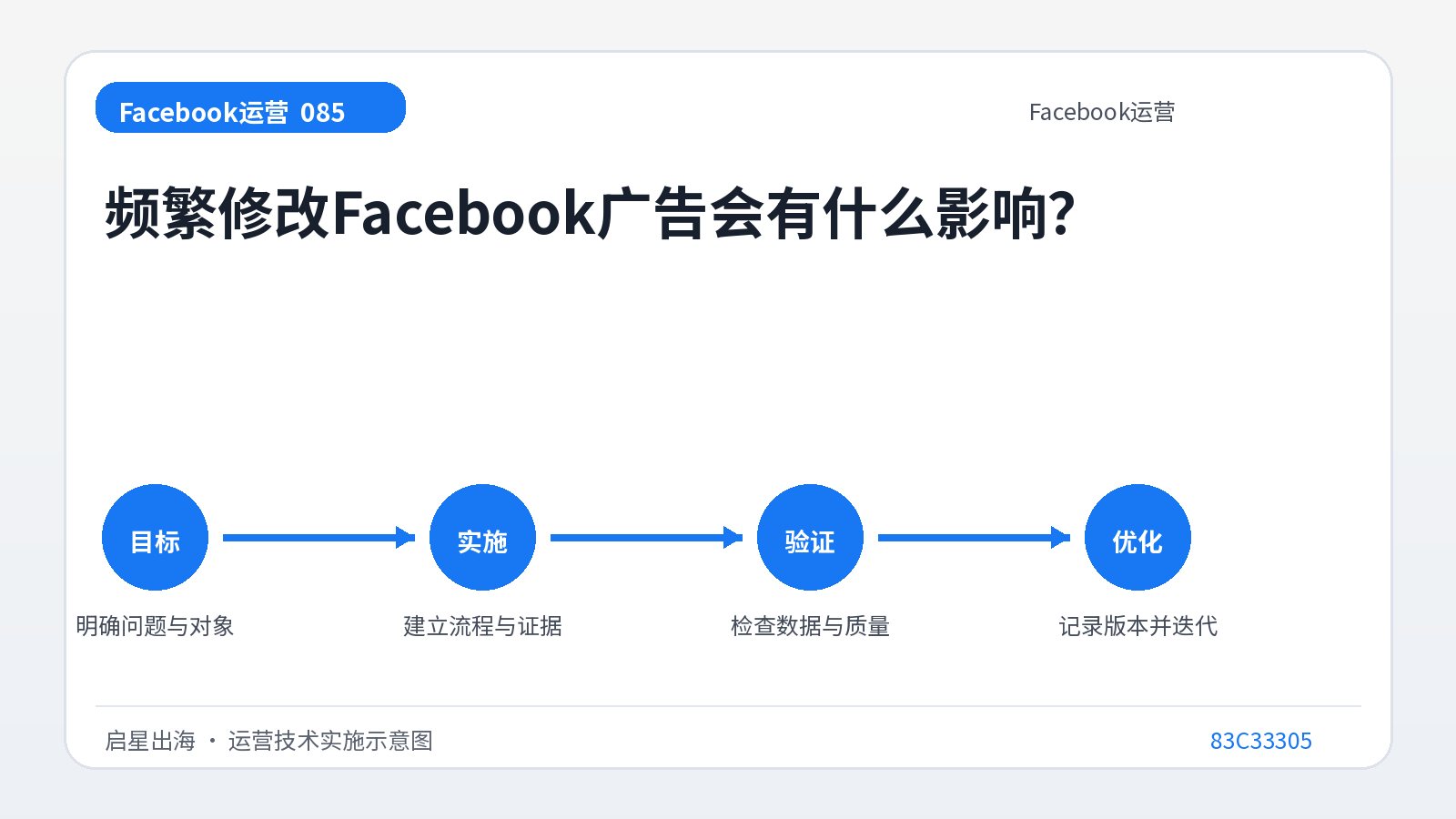
The next step is to concentrate the modifications on fixed review nodes, record the time, reason and expected impact each time, manage minor changes and major adjustments separately, define test hypotheses and stop conditions first, keep the structure relatively stable, compare the results according to sufficient observation windows, and then move the budget to a better combination of effective leads and business opportunities.Complete the full link check.Every time you make a change, you must clearly state what kind of invalid people you want to reduce and what kind of target customers you want to increase. You can't just write unverifiable goals like "improving results."
The platform layer looks at the optimization event volume, learning status, effective lead cost, sales acceptance rate, frequency, conversion rate and result fluctuation, while the business layer uses a new observation window for evaluation after modification.At the same time, record the first response time and next step results, because no matter how accurate the clue is, if no one follows up in time, it will be misjudged as a poor channel quality.
It is recommended to look at trends every week, make decisions every month, and review strategies every quarter.Only when continuous data and sales feedback support both, can we expand investment in paid promotion; if the two conflict, unify the effective lead standards first, and then discuss the quality of the channel.



