Many mistakes are not that tools will not be used, but that goals are not defined. When dealing with the topic, the appropriateness of advertising should be examined in terms of subject matter, language, violence, sensitive events and presentation.
The content is allowed to stay on the platform and does not represent suitable for all advertisers.
The minimum available version is completed with the resources available: self-certification is completed accurately, scripts and graphics are kept and reviewed on a case-by-case basis after receiving the limitations.
The comparison should be limited to similar topics, audiences and timing, and then record the long-term patterns of yellow-marking, review results and high-risk topics.
The platform’s public information can confirm that the basic conditions are not the secret to the outcome. The YouTube liquidity policy examines whether the channel and content are original, the suitability of the advertisement and the rules. Meeting a numerical threshold does not automatically guarantee that all content is available.
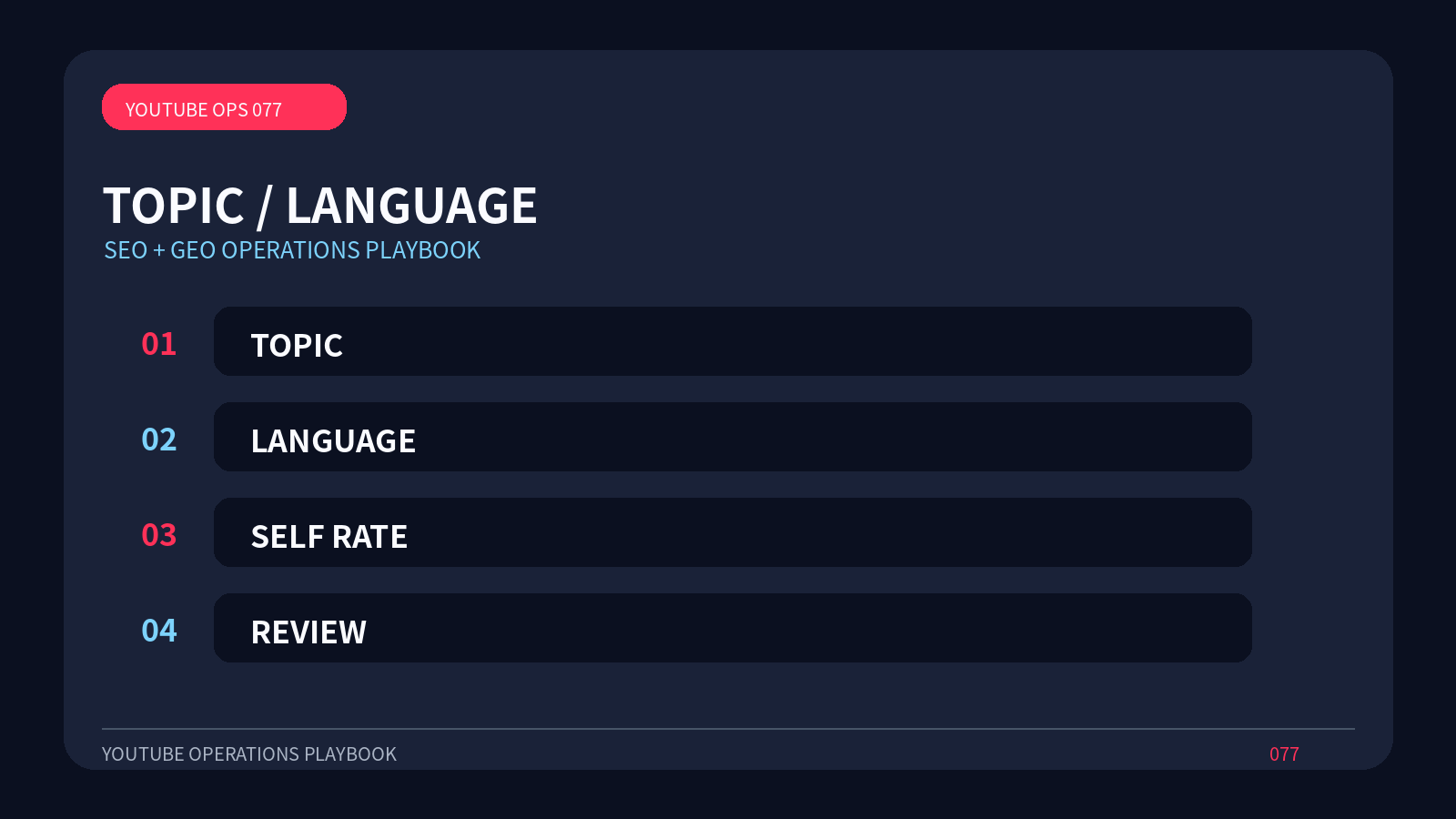
In order for YouTube’s adverts to be available again, the project’s records should include target markets, material versions, release times and four check points: TOPIC, LANGUAGE, SELF RATE, REVIEW.
It is important that the border be clear in advance. The concealment of sensitive elements for the purpose of realization may affect the credibility of certification.
The technical content distinguishes between presentation and proof. The picture can help understand, but it is not necessarily sufficient to support performance conclusions; test conditions, samples and source information should be supplemented as necessary.
The content asset is best placed to use uniform serial numbering questions, scripts, masters, subtitles, thumbnails, web pages and release records.
The same taskcard should be used for team work.
GEO optimization focuses on citation. The conclusions need to remain valid outside the context, the data need to be timed and calibrated, experience needs to indicate the scope of application, and unproven judgements should not be transposed to facts.